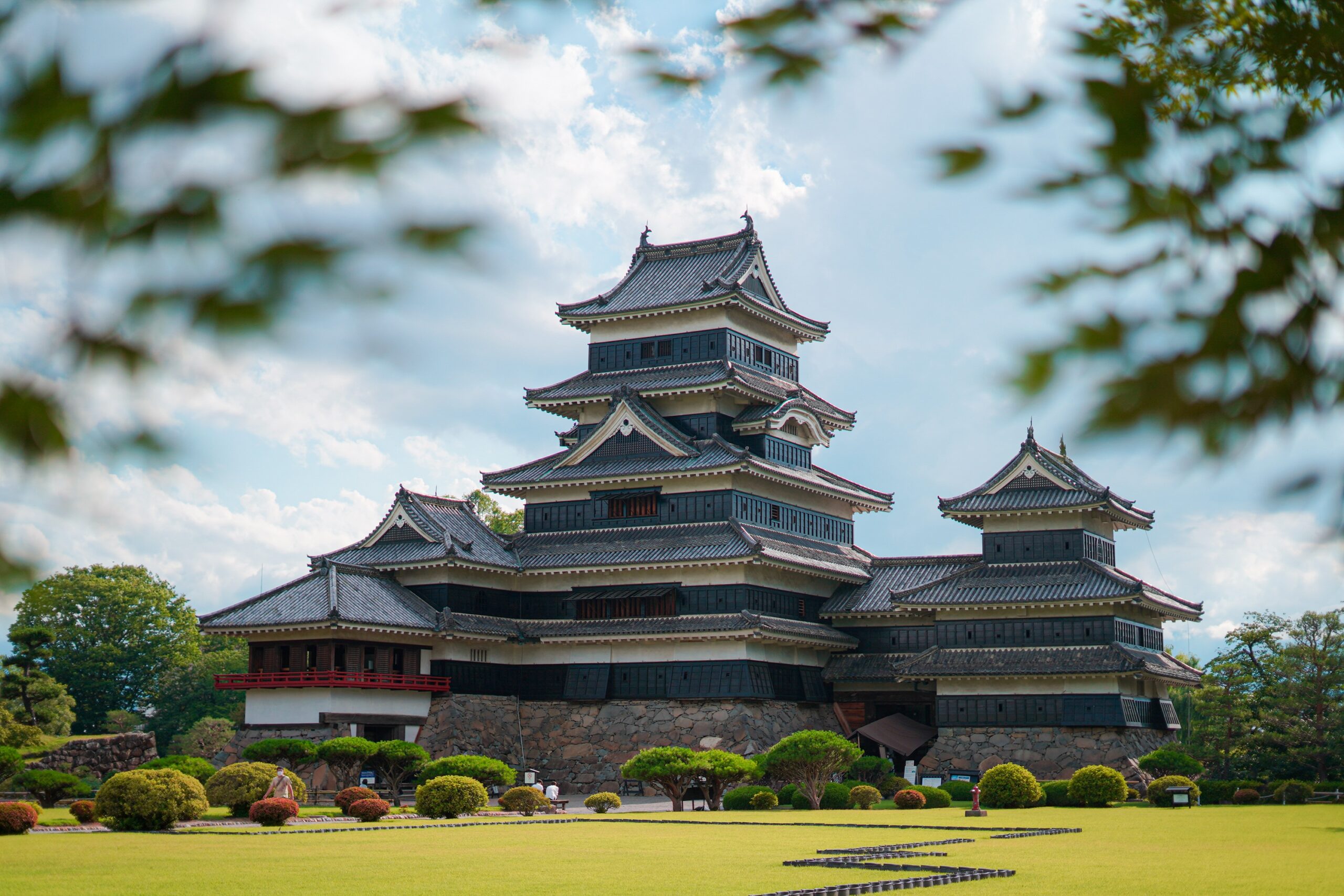
Shiga Prefecture rarely appears at the top of travel rankings, yet it consistently ranks high in quality-of-life surveys within Japan. This contrast reveals something essential about the region: Shiga is not built to impress at first glance, but to support everyday living in a sustainable and balanced way.
Understanding Shiga requires looking beyond individual attractions. Instead of focusing on landmarks alone, the region invites a broader perspective — one that considers how environment, infrastructure, culture, and community coexist. For travelers who value authenticity over spectacle, this approach often becomes the most compelling reason to visit.
A Natural Balance Between City and Environment
One of Shiga’s defining characteristics is its balance between urban convenience and natural surroundings. Cities such as Otsu and Hikone offer access to transportation, education, and healthcare, while remaining closely connected to Lake Biwa and surrounding mountains. This proximity allows residents to integrate nature into daily routines rather than treating it as a separate destination.
Morning walks along the lakeshore, weekend cycling routes, and seasonal festivals tied to agricultural cycles illustrate how environment shapes daily life. For visitors exploring Shiga travel experiences, this balance becomes immediately noticeable — the pace feels human, not rushed, and spaces feel designed for use rather than display.
Unlike densely built metropolitan areas, Shiga maintains clear transitions between residential zones, farmland, and natural areas. This structure reduces visual clutter and noise, reinforcing a sense of calm that extends beyond tourism and into long-term living.
Lake Biwa as a Foundation for Daily Life
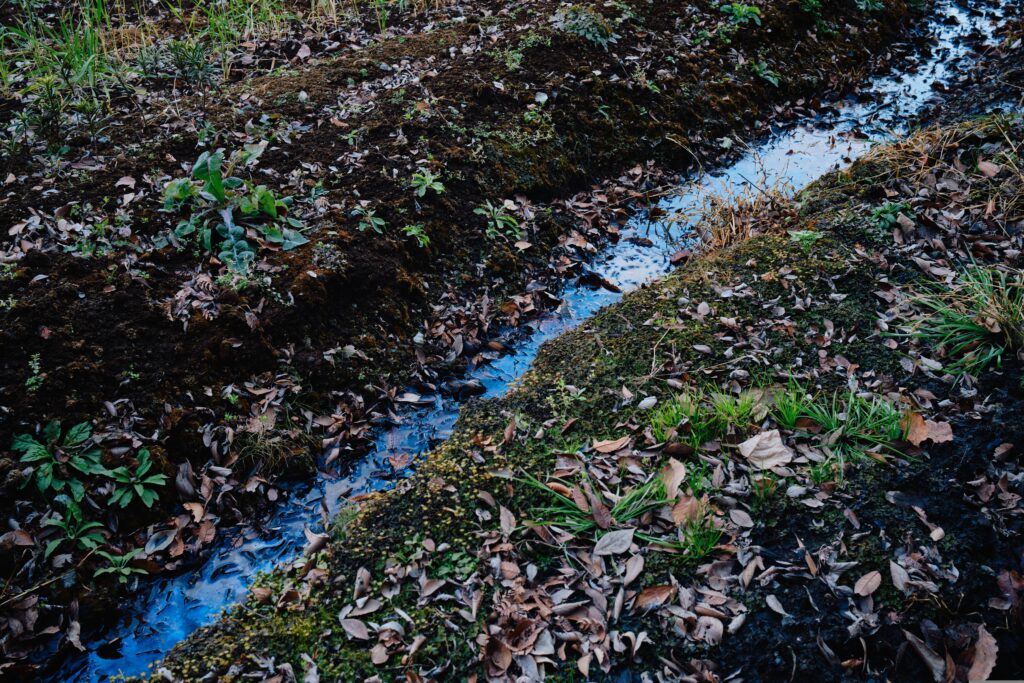
Lake Biwa remains the heart of Shiga, not only as a geographic feature but as a practical foundation for life. The lake supplies water to millions of people in the Kansai region and supports ecosystems that sustain agriculture, fishing, and local industries.
This responsibility has shaped how Shiga approaches development and conservation. Environmental education, water protection initiatives, and community-based projects reflect a long-term mindset rather than short-term gain. Visitors who explore Lake Biwa sightseeing opportunities often discover that the lake’s true significance lies in how carefully it is managed.
For travelers, this creates a sense of trust. Public spaces feel respected, natural areas remain accessible, and tourism rarely feels extractive. This balance reinforces Shiga’s reputation as a region where people plan for continuity rather than rapid expansion.

From itinerary planning to local recommendations, our consultation service helps you travel Japan with ease and confidence.
Communities Rooted in History and Continuity
Shiga’s towns and villages carry histories that remain visible without being preserved artificially. Former castle towns, post stations, and farming communities continue to function as living environments rather than static exhibits. This continuity allows visitors to experience Japanese history as something ongoing, not confined to museums.
Walking through these areas reveals subtle signs of the past — narrow streets shaped by foot traffic, canals designed for transport, and shrines integrated into residential neighborhoods. These elements contribute to a sense of place that feels grounded and sincere.
For those interested in traditional towns in Japan, Shiga offers examples where history and modern life coexist without conflict. This coexistence strengthens community identity and creates environments where residents feel connected to their surroundings.

Livability Through Simplicity
Shiga’s appeal as a livable prefecture lies in its simplicity. Housing remains relatively affordable compared to major cities, commuting distances are manageable, and access to green spaces is widespread. These factors contribute to reduced stress and stronger community ties.
Local businesses, schools, and public facilities tend to serve residents rather than tourists, reinforcing a sense of everyday normalcy. For visitors, this creates opportunities to observe Japan beyond curated experiences, gaining insight into how people actually live.
This simplicity also supports sustainable tourism. Travelers are encouraged to adapt to local rhythms rather than disrupt them, resulting in more respectful and meaningful interactions. As interest grows in responsible travel, Shiga’s model becomes increasingly relevant.
For travelers seeking a personalized and stress-free Japan journey, our consultation service offers expert guidance every step of the way.
A Destination That Rewards Time
Shiga is not a place to rush through. Its value emerges gradually, through repeated visits or extended stays. The region’s understated charm encourages observation — noticing changes in light across the lake, listening to seasonal sounds, and engaging with local customs without expectation.
For many travelers, this experience reshapes how they view Japan travel. Instead of chasing highlights, they learn to appreciate continuity and context. This shift often leads to deeper connections and more lasting memories.
As a destination, Shiga Prefecture challenges common travel assumptions. It demonstrates that livability, sustainability, and cultural depth can be just as compelling as iconic sights. For those willing to slow down, Shiga offers a perspective on Japan that feels genuine, grounded, and enduring.

Create Your Own Travel Booking With Us
We specialize in crafting unforgettable journeys across Japan. Whether you’re a solo traveler, couple, or family, our expert planners, multilingual guides, and customer care team ensure your adventure is seamless and unique — from first click to final destination.
Create your travel booking website with us — and let your story unfold in Japan.