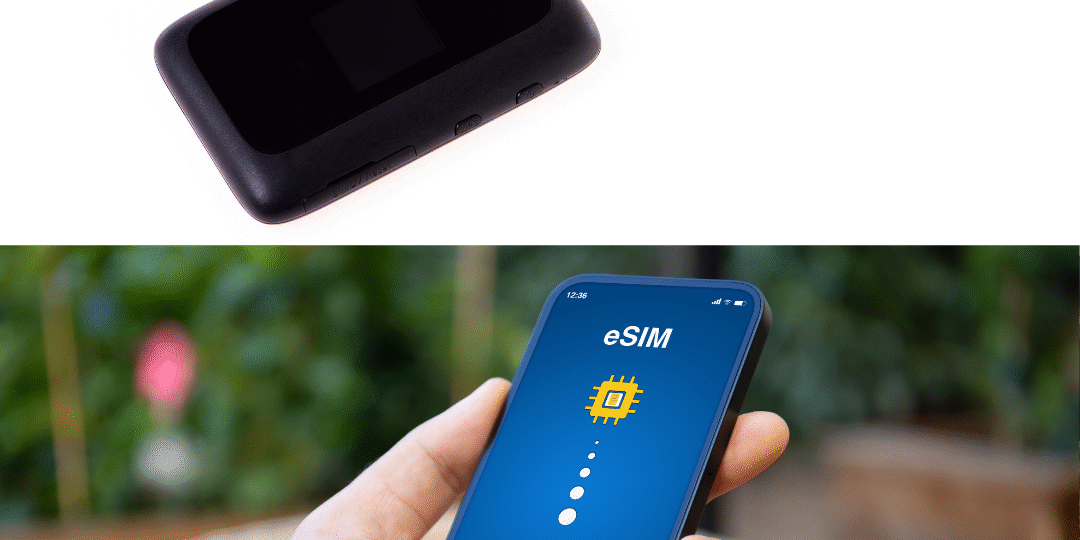
Choosing between eSIM and Pocket WiFi in Japan can feel confusing, especially when you are traveling as a family, with seniors, or planning a longer itinerary.
While most articles focus on technical specs, speed, or pricing, the real deciding factor is how you travel — and who you travel with.
eSIM vs Pocket WiFi: Why Travel Style Matters More Than Technology
Both eSIM and Pocket WiFi work well in Japan. However, the best option depends on daily routines, device usage, and how often your group stays together.
For short solo trips, the difference may feel minimal. But for families, seniors, or customized multi-city itineraries, the choice can directly affect convenience and stress levels.
Best Option for Families Traveling in Japan
Families often move together, share schedules, and rely on multiple devices for navigation, restaurant searches, and transportation.
Pocket WiFi is often preferred for families because:
- Multiple devices can connect at once
- Children do not need individual setups
- Battery life can last a full day with proper planning
That said, families with older children or teens who separate during the day may benefit from combining Pocket WiFi with individual eSIMs.
Best Option for Seniors Visiting Japan
Seniors typically prioritize simplicity and reliability over flexibility.
Pocket WiFi tends to be the safer choice for seniors because it:
- Avoids phone configuration steps
- Works instantly when powered on
- Can be managed by one person for the whole group
For seniors joining a private or customized tour, connectivity decisions should align with daily pacing and accommodation locations.
Best Option for Long Trips and Multi-City Itineraries
For trips lasting over 10 days or covering multiple regions, reliability becomes more important than setup convenience.
eSIM works well for travelers who:
- Travel independently
- Stay in different cities frequently
- Prefer not to carry extra devices
However, long itineraries often involve varied daily routes, countryside areas, and flexible schedules. In such cases, connectivity should be chosen based on the itinerary itself.
For a deeper technical comparison, you may also find our guides helpful: eSIM vs Pocket WiFi in Japan and Pocket WiFi or eSIM: How to Choose by Trip Style.
Final Thoughts: There Is No One-Size-Fits-All Answer
The best connectivity option depends on your travel group, daily schedule, and route design.
For travelers planning a family trip, senior-friendly journey, or a fully customized itinerary in Japan, connectivity choices should be considered together with accommodation locations and transportation plans.
Our published itineraries are reference models. We regularly customize routes, pacing, and services — including connectivity advice — based on each traveler’s needs.
If you would like personalized recommendations, feel free to reach out for itinerary customization.