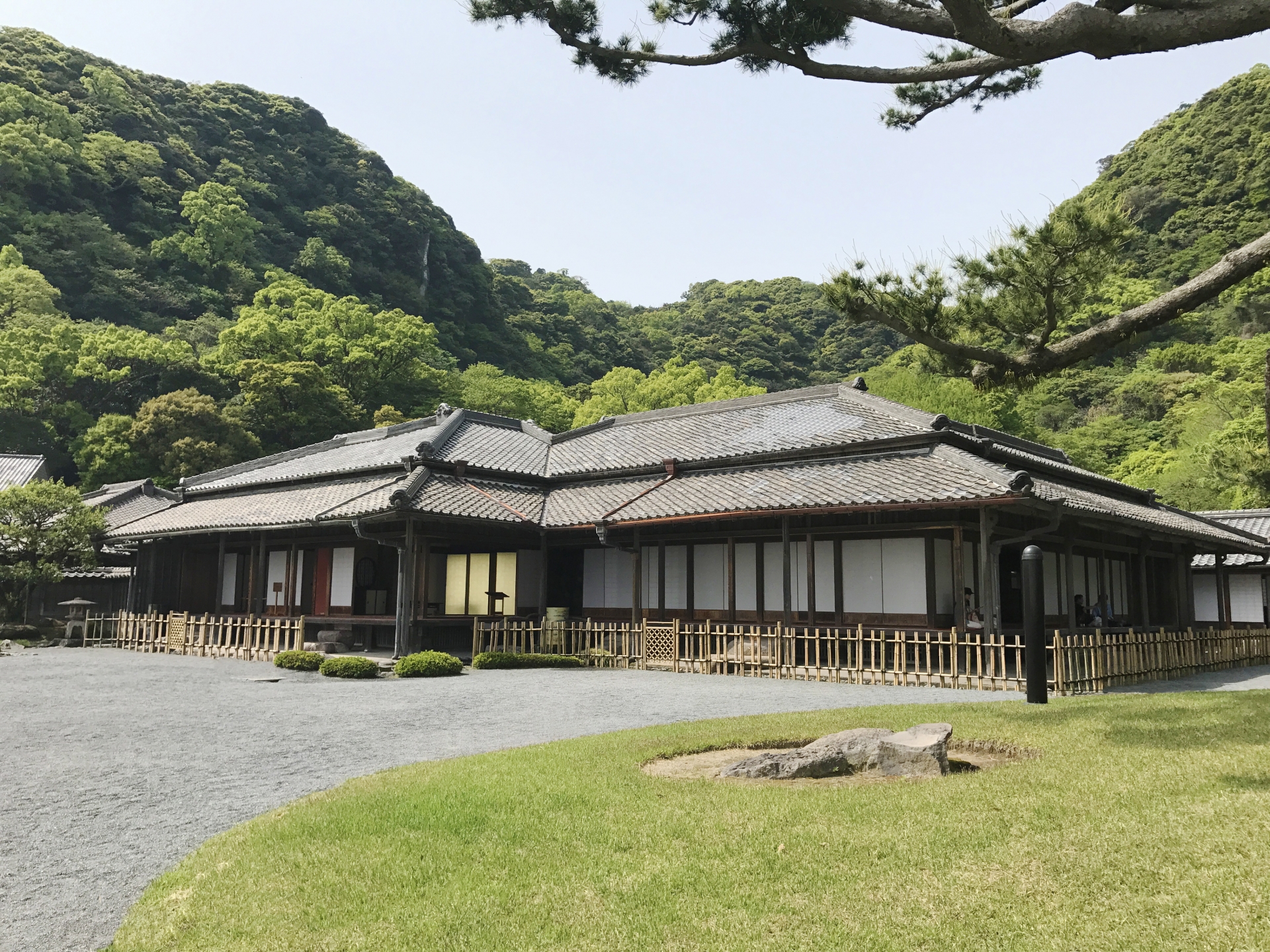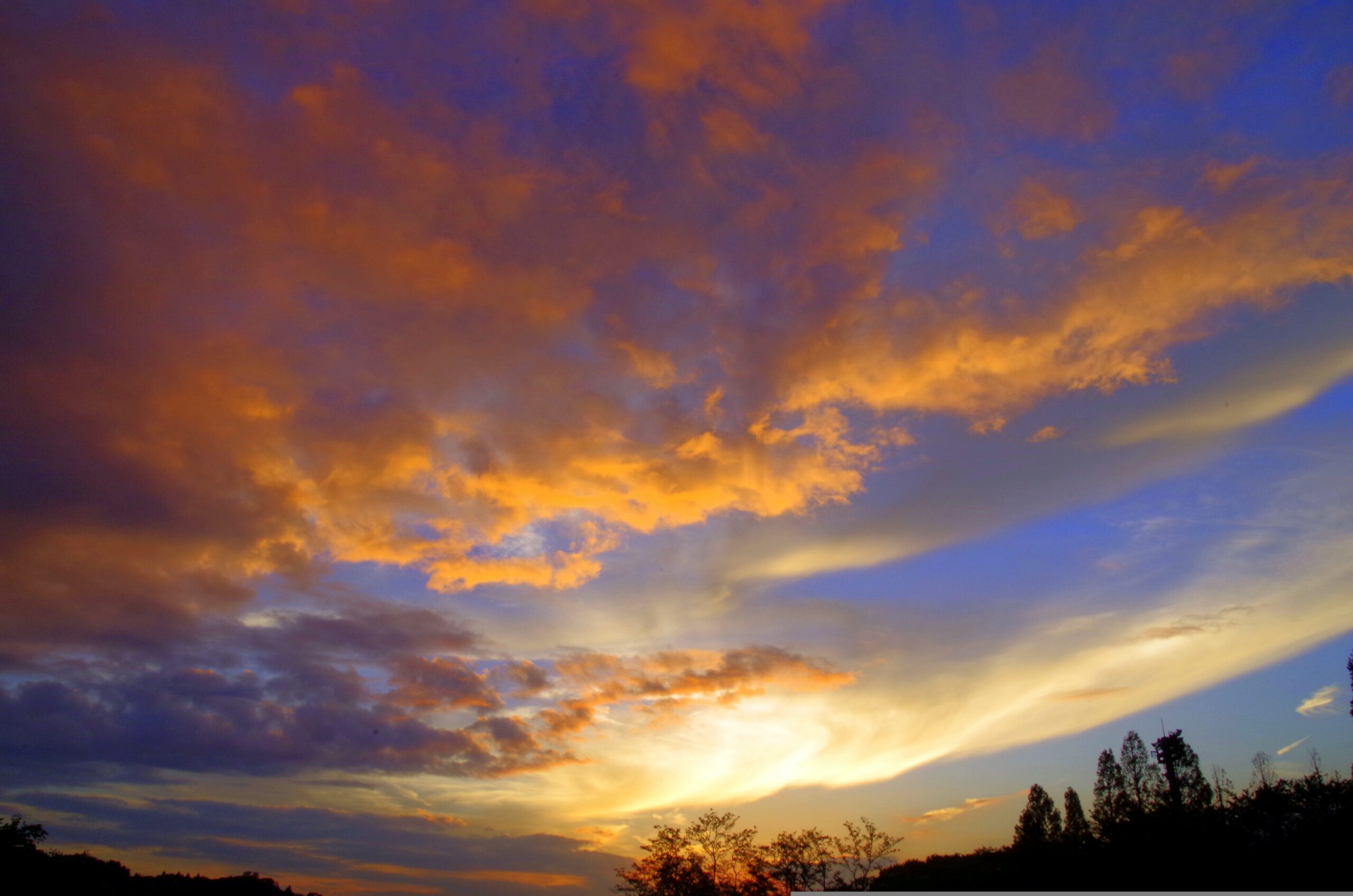
Saga Prefecture offers a different kind of travel experience—one that unfolds slowly, through forest paths, hidden shrines, and places where spirituality feels woven into the landscape itself. Far from the crowded pilgrimage routes of more famous regions, Saga invites visitors into a quieter, more introspective world shaped by centuries of belief, ritual, and connection to nature.
Yūtoku Inari Shrine: A Place of Devotion and Color
Among Saga’s most iconic spiritual sites is Yūtoku Inari Shrine, considered one of the three great Inari shrines in Japan. Built in 1687, it stands dramatically on a hillside, its vermilion structures rising above lush greenery in a way that feels both grand and intimate.
Dedicated to Inari, the deity of prosperity, agriculture, and business, the shrine attracts visitors seeking blessings for success and abundance. The long approach is lined with traditional shops selling charms, local snacks, and souvenirs, but the atmosphere remains calm rather than commercial.
As you climb higher into the shrine complex, the crowds thin out. Wooden stairways lead to quieter terraces where the view opens across the surrounding countryside. The further you go, the more the experience shifts—from sightseeing to something closer to contemplation.

From itinerary planning to local recommendations, our consultation service helps you travel Japan with ease and confidence.
The Hidden Calm of Takeo Shrine
In contrast to the vibrant presence of Yūtoku Inari, Takeo Shrine offers a more subdued, almost mysterious atmosphere. Located in the town of Takeo, this shrine is known for its ancient camphor tree, estimated to be over 3,000 years old.
The tree stands behind the main shrine building, enclosed by a simple wooden fence. Its immense trunk and twisting roots create a powerful sense of age and continuity. Standing before it, visitors often fall silent—not out of obligation, but because the space naturally invites stillness.
Nearby, the lesser-known Takeo no Okusu (great camphor) reinforces the idea that in Saga, spirituality is often expressed through nature rather than elaborate structures. The shrine itself is modest, but the presence of the tree transforms it into something unforgettable.
Prayer, Nature, and Everyday Life
What distinguishes Saga’s spiritual sites is how seamlessly they blend into daily life. These are not isolated destinations but living places of worship where locals come to pray, celebrate seasonal festivals, or simply pass through on their way home.
Small roadside shrines appear unexpectedly, sometimes marked only by a torii gate and a stone statue. These spaces may not be listed in guidebooks, yet they carry the same quiet significance as larger, more famous sites.
In rural areas, it’s common to see offerings of rice, sake, or flowers left by community members. These gestures reflect a continuing relationship between people and the spiritual world—one that feels personal rather than ceremonial.
A Different Pace of Travel
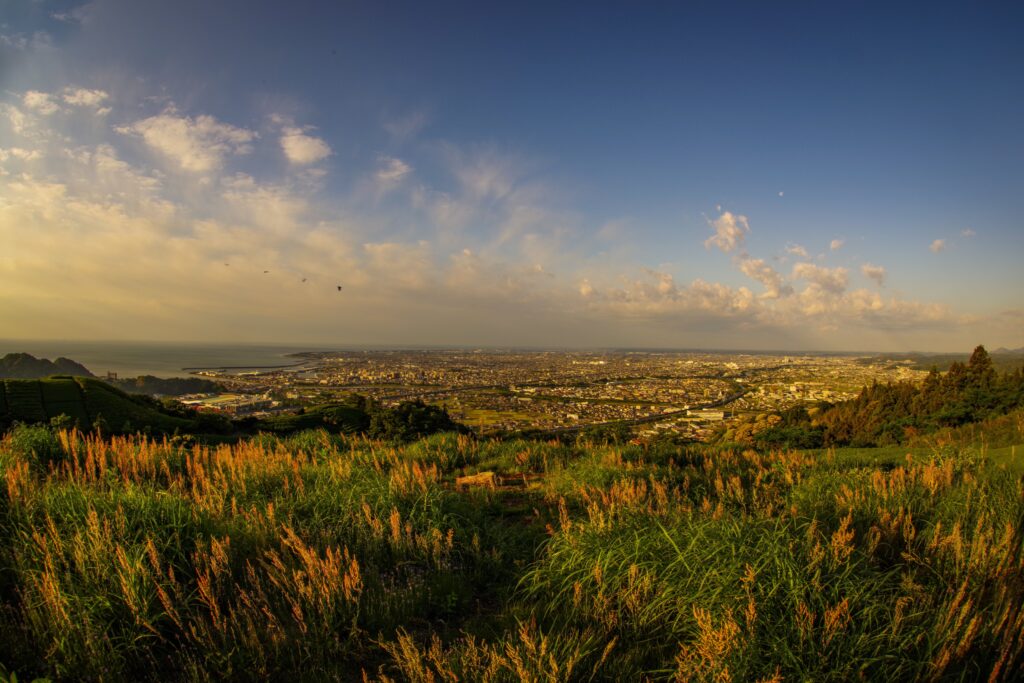
Exploring Saga’s spiritual landscape requires a shift in mindset. There is no need to rush from one “must-see” attraction to another. Instead, the experience unfolds in the spaces between destinations—the walk along a forested path, the sound of wind through trees, the moment of pause before entering a shrine.
Even the act of purification at a shrine’s water basin becomes more noticeable here. Without large crowds, the simple gestures—washing hands, bowing, offering a prayer—feel more intentional.
This slower pace allows visitors to engage with places not just visually, but emotionally. The memories that linger are often subtle: the texture of moss on stone steps, the filtered light through cedar branches, the quiet echo of footsteps on wooden floors.
Seasonal Layers of Meaning
Saga’s spiritual sites change with the seasons, each bringing a different atmosphere. In spring, cherry blossoms soften the edges of shrine grounds, adding a sense of renewal. Summer deepens the greens, making forested paths feel almost enclosed and immersive.
Autumn introduces warm tones of red and gold, enhancing the sense of transition and reflection. Winter, though quieter, offers a stark beauty—bare branches, crisp air, and fewer visitors, allowing for an even more personal experience.
These seasonal shifts are not just visual; they influence the way people interact with these spaces. Festivals, rituals, and local customs follow the rhythm of the year, reinforcing the connection between nature and spirituality.
For travelers seeking a personalized and stress-free Japan journey, our consultation service offers expert guidance every step of the way.
Beyond Sightseeing
In Saga Prefecture, spiritual travel is less about checking off destinations and more about how you move through them. It’s about noticing the small details, respecting the spaces, and allowing yourself to slow down.
Whether standing before the towering camphor tree at Takeo Shrine or climbing the hillside paths of Yūtoku Inari, the experience is not defined by grandeur alone. Instead, it’s shaped by a quiet sense of presence—one that stays with you long after you leave.
Saga does not ask for attention; it rewards it.

Create Your Own Travel Booking With Us
We specialize in crafting unforgettable journeys across Japan. Whether you’re a solo traveler, couple, or family, our expert planners, multilingual guides, and customer care team ensure your adventure is seamless and unique — from first click to final destination.
Create your travel booking website with us — and let your story unfold in Japan.