Onsen towns in Gunma: Kusatsu, Ikaho and hidden gems
There are places in Japan where time doesn’t seem to stop, but simply moves more gently. In Gunma Prefecture, onsen towns are not just destinations for relaxation—they are living spaces shaped by history, routine, and a quiet continuity that feels increasingly rare.
Just a short journey from Tokyo, these towns offer something that is difficult to replicate in larger, more modern cities: a sense of atmosphere that builds slowly, through details rather than spectacle.
Ikaho Onsen: Stone Steps and Subtle Nostalgia
Ikaho Onsen is perhaps best known for its long stone staircase, which stretches through the center of the town. Lined with small shops, cafés, and traditional inns, these steps form both a physical path and a kind of timeline—each level revealing a slightly different layer of the town’s character.
Walking upward, you pass vendors selling local snacks, quiet corners where steam rises from hidden sources, and ryokan entrances marked by wooden signs and noren curtains. The movement is gradual, encouraging pauses rather than haste.
What defines Ikaho is not grandeur, but atmosphere. The golden-hued hot spring water, rich in iron, adds to the town’s identity, leaving a faint trace of color that feels almost symbolic—an imprint of time and minerals combined.
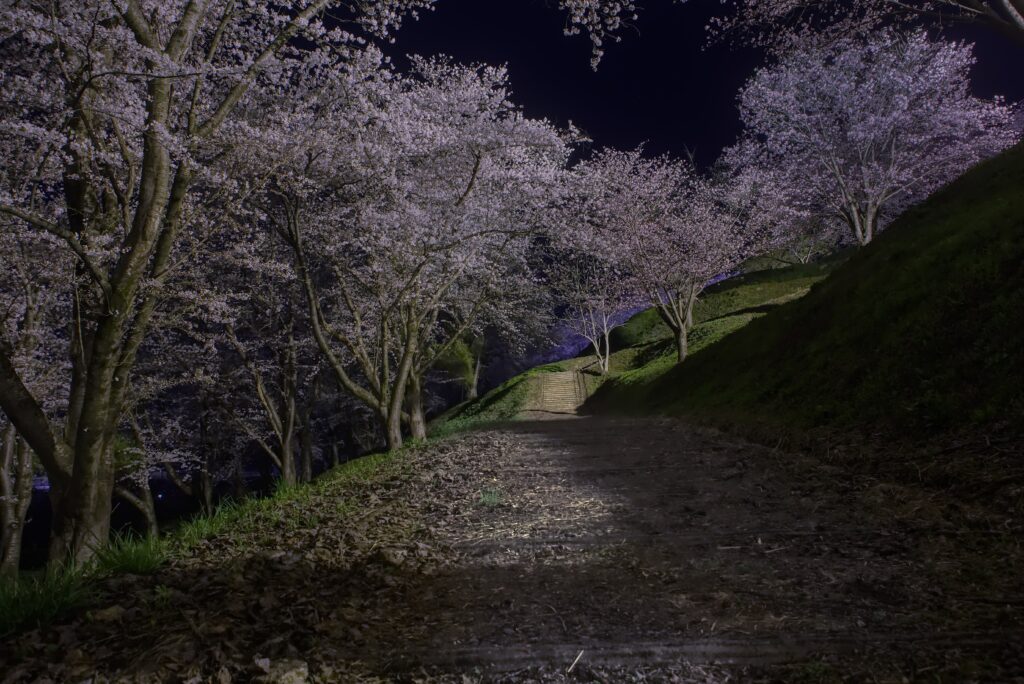
At night, the stone steps take on a different character. Soft lighting replaces daylight, and the town becomes quieter, more introspective. The rhythm shifts from movement to stillness.
Kusatsu Onsen: Ritual and Rhythm
Kusatsu Onsen is one of Japan’s most famous hot spring towns, yet it retains a strong sense of tradition that goes beyond its popularity. At the center of the town lies the Yubatake, where steaming hot water flows continuously, cooling as it moves through wooden channels.
The sight is striking, but what makes Kusatsu unique is how this system is integrated into daily life. The flow of water is not just for display—it is functional, essential, and deeply connected to the town’s identity.
One of the most distinctive cultural practices here is yumomi, a method of cooling hot spring water using wooden paddles. Performed with rhythmic movements and accompanied by traditional songs, it reflects an older way of interacting with natural resources—one based on adaptation rather than control.
Despite its popularity, Kusatsu offers moments of quiet if you step away from the central area. Narrow streets, smaller bathhouses, and less-traveled paths reveal a more personal side of the town.
If you’d like help planning a smooth and well-organized trip to Japan, our travel consultants are here to assist.
Smaller Towns, Deeper Quiet
Beyond Ikaho and Kusatsu, Gunma is home to lesser-known onsen towns where the sense of time feels even more undisturbed.
Places like Shima Onsen are defined by subtlety. There are no large crowds or major landmarks demanding attention. Instead, the experience unfolds through small details—wooden bridges, the sound of a river, the soft glow of light from a ryokan window at dusk.
These towns do not present themselves immediately. They require patience, and in return, they offer a kind of depth that is difficult to find in more developed destinations.
Architecture as Memory
One of the most noticeable aspects of Gunma’s onsen towns is their architecture. Wooden buildings, narrow streets, and traditional design elements are not preserved as museum pieces—they are still in use.
Ryokan continue to operate much as they have for decades, sometimes generations. Interiors often feature tatami floors, sliding doors, and low tables, creating spaces that feel both functional and reflective of older lifestyles.
Even modern additions tend to blend into the existing environment rather than replace it. This continuity allows the towns to evolve without losing their identity.
The Rhythm of Stay
Staying overnight in an onsen town reveals a different layer of experience. The day is structured around simple but meaningful routines: bathing, dining, resting.
Meals are often served as multi-course dinners, highlighting seasonal ingredients and local specialties. The pace encourages attention—to flavors, textures, and presentation.
After dinner, the town becomes quieter. Some visitors walk through the streets in yukata, moving between bathhouses or simply enjoying the atmosphere. Others return to their rooms, where the absence of distraction becomes part of the experience.
Between Past and Present
What makes Gunma’s onsen towns compelling is not that they are frozen in time, but that they exist comfortably between past and present. Modern conveniences are present, but they do not dominate.
This balance allows visitors to experience something that feels authentic without being inaccessible. You are not stepping into a re-creation, but into a living environment where traditions continue to shape daily life.
From itinerary planning to local recommendations, our consultation service helps you travel Japan with ease and confidence.
A Different Kind of Memory
Travel memories are often tied to specific sights or events. In Gunma’s onsen towns, they are more likely to be tied to atmosphere—the sound of footsteps on stone, the warmth of mineral water, the quiet glow of lanterns in the evening.
These are not experiences that demand attention. They unfold gradually, almost unnoticed at first, and linger long after you leave.
In a world where travel can feel fast and overly curated, these towns offer something quieter: a chance to move more slowly, to observe more carefully, and to experience Japan not as a series of highlights, but as a continuous, living landscape.

Create Your Own Travel Booking With Us
We specialize in crafting unforgettable journeys across Japan. Whether you’re a solo traveler, couple, or family, our expert planners, multilingual guides, and customer care team ensure your adventure is seamless and unique — from first click to final destination.
Create your travel booking website with us — and let your story unfold in Japan.