
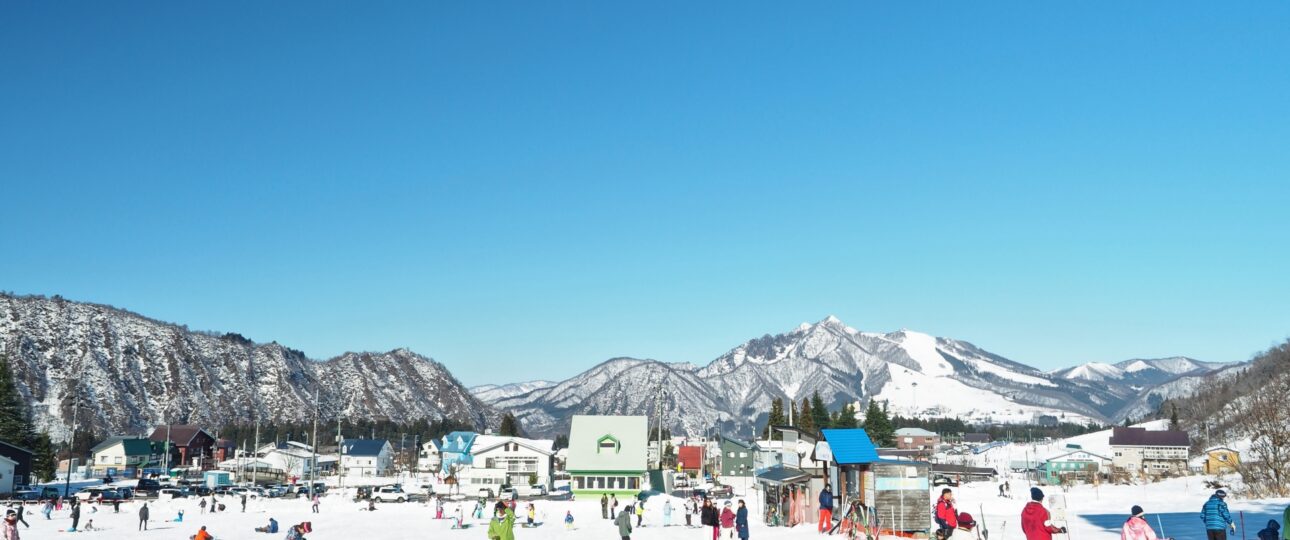
January and February are the best months for dependable winter snow and powder. December suits flexible early-season or Christmas trips, while March offers milder weather, more sunshine and fewer peak-period pressures at many resorts.
For most travelers, the best time to ski in Japan is mid-January through February. This is the core window for cold temperatures, dependable snow coverage and classic Japanese powder. Choose late February to March if you prefer milder weather, softer snow and a more comfortable family trip. Choose December only if your dates are fixed or you select a resort with reliable early-season conditions.
Japan’s general ski season runs from December to April, but the exact opening date, terrain and lift schedule depend on snowfall and the individual resort. The Japan National Tourism Organization identifies January and February as the peak season for consistent snowfall. Read the official JNTO ski-season guide.
Japan Ski Season Overview
Japan’s ski season usually begins in December and lasts into April. Some Hokkaido and high-elevation resorts may open in late November, while selected resorts continue spring operations into early May. Opening and closing dates are never guaranteed by the calendar alone.
| Travel period | Typical conditions | Best for | Main trade-off |
|---|---|---|---|
| Late November–Early December | Early season; limited terrain may open after sufficient snowfall. | Flexible travelers and early Hokkaido trips. | Snow coverage, lifts and services may be incomplete. |
| Mid–Late December | Winter builds and more resorts gradually reach normal operation. | Christmas atmosphere and school-holiday trips. | Holiday demand rises before the deepest powder period. |
| January | Cold temperatures and strong powder potential. | Powder-focused skiers and classic winter trips. | New Year demand, cold weather and busy popular resorts. |
| February | Peak-winter snow with established base coverage. | Powder, families, winter scenery and mixed-level groups. | Hotels, English lessons and transfers can fill early. |
| March | Milder spring conditions, softer snow and more sunny days. | Families, beginners and ski-plus-city itineraries. | Powder becomes less dependable, especially at lower elevation. |
| April–Early May | Spring skiing at selected northern or high-elevation resorts. | Flexible travelers and snow-plus-cherry-blossom routes. | Limited terrain and weather-dependent lift operations. |
Best Time to Ski in Japan by Month
Late November to Early December
This is the earliest realistic window at some northern and high-elevation resorts. It can work when skiing is one part of a wider Japan itinerary and you can adjust the plan if snow arrives late.
- Choose it for: low-pressure early winter travel and flexible Hokkaido plans.
- Avoid it for: a once-in-a-lifetime ski trip that depends on full terrain.
- Planning rule: confirm lift and trail status immediately before travel.
Mid to Late December
By mid to late December, many popular ski resorts are operating, although the amount of open terrain still depends on natural snowfall. JNTO notes that major resorts are generally running by this period, with some Hokkaido resorts opening earlier.
- Choose it for: Christmas atmosphere and fixed school-holiday dates.
- Avoid it for: travelers whose only priority is the deepest powder.
- Planning rule: book holiday accommodation and lessons early.
January
January is the strongest all-round month for travelers who want cold conditions, frequent snowfall and the classic Japan ski experience. Niseko United describes January and February as the heart of its powder season.
- Choose it for: powder, cold snow and experienced skiers.
- Avoid it for: travelers uncomfortable with deep cold or peak demand.
- Planning rule: avoid assuming that powder makes every day beginner-friendly.
February
February remains a peak-winter month with strong snow coverage at major resorts. It can suit powder seekers and families, but English-language lessons, family rooms and convenient transfers may sell out around holiday periods.
- Choose it for: dependable winter conditions and snow scenery.
- Avoid it for: last-minute trips to the most famous resorts.
- Planning rule: secure lessons before choosing a distant hotel.
March
March is a strong choice for travelers who prefer milder temperatures, softer snow and a less intense winter schedule. JNTO notes that spring skiing remains possible, but warm spells and rain become more likely. Resort elevation matters more as the month progresses.
- Choose it for: families, beginners and Tokyo or Kyoto combinations.
- Avoid it for: travelers who will accept nothing less than dry powder.
- Planning rule: select northern or high-elevation resorts.
April to Early May
Spring skiing can continue at selected Hokkaido and high-elevation Nagano resorts. Hakuba Valley states that several of its major ski areas may continue to early May, subject to snowfall and slope conditions.
- Choose it for: relaxed spring skiing and cherry-blossom combinations.
- Avoid it for: travelers expecting full winter operations.
- Planning rule: build the trip around live lift status, not past closing dates.
Best Month for Powder, Families, Value and Fewer Crowds
Families should also compare hotel location, children’s programs and lesson meeting points in the Japan Family Ski Vacation Guide. If instruction is important, review private versus group ski lessons in Japan before fixing your resort and hotel.
Best Time to Ski by Region
The right month depends on where you ski. Hokkaido is colder and can support a longer season, while high-elevation Nagano resorts may remain useful later than lower mountain areas. Resort style, airport access and the rest of your Japan route should guide the final choice.
| Region or resort style | Strongest timing | Best for | Planning note |
|---|---|---|---|
| Hokkaido: Niseko, Rusutsu, Furano | January–February for powder; March for a milder trip. | Powder, resort stays, families and international services. | Allow for airport transfers and weather disruption. |
| Hakuba Valley | Mid-December–March; selected spring skiing later. | Tokyo routes, mixed abilities and resort variety. | The valley is spread out, so hotel location matters. |
| Nozawa Onsen and northern Nagano | January–February; March for softer snow and onsen pacing. | Skiing plus traditional hot-spring atmosphere. | Check snowy walking routes between lodging and lifts. |
| Shiga Kogen | January–March, with selected late-season options. | Multi-day skiing and Snow Monkey Park combinations. | Choose the accommodation zone for the terrain you want. |
| Tohoku and Zao Onsen | January–February for full winter scenery. | Snow scenery, onsen, repeat visitors and non-skiers. | Weather can affect ropeways, views and transfers. |
If you have not chosen a destination, use the Japan Ski Resort Comparison to compare Niseko, Hakuba, Nozawa Onsen, Rusutsu, Furano, Shiga Kogen and Zao by access, atmosphere and traveler type.
Japan Ski Crowds and Peak Dates
Snow quality is only one part of timing. Christmas, New Year and major school-holiday periods create pressure on accommodation, English-speaking instructors, rental inventory, restaurants and transfers. JNTO also notes that Christmas, New Year and early February are among the busiest slope periods.
- Christmas and New Year: festive and convenient for school schedules, but usually the hardest period for availability.
- Mid to late January: excellent snow potential after the New Year rush, although famous resorts remain popular.
- February: dependable winter conditions with strong demand around international and regional holiday dates.
- March: generally easier for planning, with more spring-like snow and weather.
How to Choose Your Japan Ski Dates
- Choose the priority: powder, family comfort, lower crowds, value or a city-and-ski route.
- Select the region: Hokkaido, Nagano or Tohoku should fit your arrival airport and wider itinerary.
- Match the resort: compare beginner terrain, lessons, hotel location, non-skier activities and transfers.
- Check seasonal operations: use current official lift and opening information before paying for inflexible arrangements.
- Submit one complete trip request: include dates, group size, ski level, children’s ages, hotel standard and lesson needs so the route can be designed around the real constraints.
For a full planning sequence, read How to Plan a Ski Trip to Japan. Travelers combining the mountains with the capital can use the Tokyo and Japan Ski Holiday Itinerary. For budgeting, see the Japan Ski Trip Cost Guide.
Submit a free trip request with your travel dates, group size, ski or snowboard level, children’s ages, hotel preference, lesson needs and wider Japan plans. Jatravi can prepare a custom itinerary proposal around your group. This form is an enquiry, not a direct trip purchase.
Fill In the Trip Request FormFrequently Asked Questions
What is the best month to ski in Japan?
January and February are generally the best months for dependable winter snow and powder. February can offer a good balance of snow coverage and family travel, while March suits travelers who prefer milder spring conditions.
When is Japan’s powder season?
Japan’s main powder season is usually January and February, especially in Hokkaido and snow-rich mountain regions such as Nagano and Niigata.
Can you ski in Japan in December?
Yes. Many popular resorts are operating by mid to late December, but snow coverage and open terrain vary. Early December requires flexible plans and careful checks of official lift status.
Is March a good time to ski in Japan?
March can be excellent for families, beginners and travelers who prefer milder weather and fewer peak-period pressures. Choose a northern or high-elevation resort because powder and lower-mountain snow become less dependable.
When should families ski in Japan?
Late February through March can suit families because the weather is often milder. Families prioritizing peak-winter snow can also choose February, but lessons, family rooms and transfers should be reserved early.
Can Jatravi help choose ski dates and resorts?
Yes. Jatravi can prepare a custom itinerary proposal based on your dates, group, ski level, family needs, hotel style, lesson requirements, transfers and wider Japan route. Submit the trip request form to begin an enquiry.
Snowfall, opening dates, lift operations, terrain, transport and lesson availability change by resort and season. Check official resort information again before paying for non-refundable arrangements. Page reviewed October 26, 2026.


[…] the dedicated best time to ski in Japan guide before choosing a resort or booking lessons. The ski article covers snow conditions and resort […]
[…] a month-by-month comparison, read Best Time to Ski in Japan. If you have not chosen a destination, use the Japan Ski Resort […]
[…] a full month-by-month comparison, read the best time to ski in Japan. January and February are generally much stronger for powder-focused travel, while late December […]
[…] January is “best” only if the trip matches your priorities. Travelers who dislike cold weather, peak-season prices or limited room availability may prefer late February or March. Compare the whole season in Jatravi’s best time to ski in Japan guide. […]