
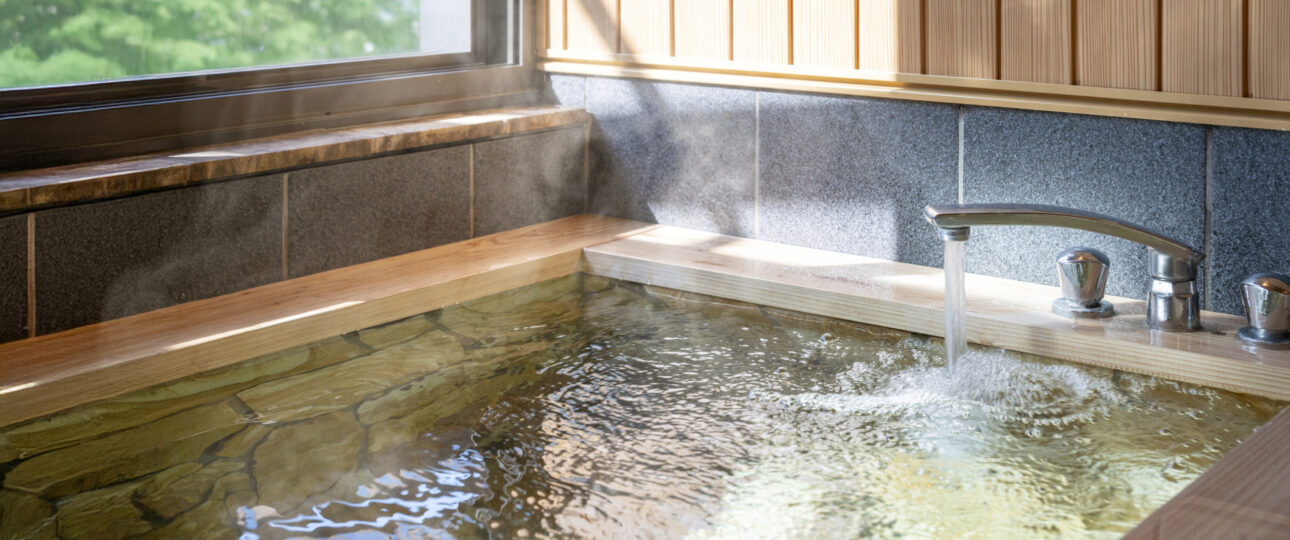
Private Onsen in Kyoto for Day Use: How to Enjoy a Relaxing Bath Without Staying Overnight
Looking for a private onsen in Kyoto for day use? While Kyoto is better known for temples, gardens and traditional streets, there are still several ways to enjoy a quiet hot spring or private bath experience without booking a full ryokan stay.
Many travelers search for a private onsen in Kyoto because they want a calm, personal and comfortable bathing experience. Some are couples looking for a romantic break, some are families who prefer more privacy, and others may have tattoos and feel unsure about using a public bath in Japan.
The important thing to know is this: Kyoto city does not have as many easy day-use private onsen options as places like Hakone, Kinosaki or Arima Onsen. However, with the right plan, you can still enjoy a relaxing private bath, day-use hot spring, or ryokan-style bathing experience during your Kyoto trip.
What Does “Private Onsen” Mean in Japan?
In Japan, a private bath is often called kashikiri-buro or kazoku-buro. It means the bath can be reserved for private use by one person, a couple, a family or a small group for a fixed time slot.
This is different from a normal public onsen, where guests bathe together in gender-separated communal baths. A private bath gives you more privacy and is often easier for first-time visitors, families with children, couples and guests with tattoos.
| Type | Meaning | Best For |
|---|---|---|
| Public Onsen | Shared bath, usually separated by gender | Travelers who want the traditional local experience |
| Private Bath | A bath reserved for your own use for a limited time | Couples, families, tattooed guests, first-time visitors |
| Room with Private Onsen | A ryokan or hotel room with its own private bath | Luxury trips, honeymoons, anniversaries |
| Day-Use Plan | A daytime visit without staying overnight | Visitors who want a short relaxing break during sightseeing |
Is Kyoto Good for Day-Use Private Onsen?
Kyoto is a beautiful destination for traditional culture, but it is not the easiest city for spontaneous private onsen day use. Many ryokan with private baths are designed mainly for overnight guests, and some private baths are only available to people staying at the property.
That said, Kyoto still works well if you choose the right style of experience. Instead of expecting a large hot spring resort inside central Kyoto, it is better to think in three directions:
Best Areas to Look for Private Onsen or Day-Use Baths Around Kyoto
1. Arashiyama
Arashiyama is one of the best areas to combine sightseeing with a relaxing bath experience. You can visit the bamboo grove, Togetsukyo Bridge, Tenryu-ji Temple and riverside streets, then add a ryokan-style bath or private bathing experience if available.
This area is especially good for couples and families who want a softer, more scenic Kyoto experience. However, private bath availability can be limited, so advance booking is strongly recommended.
2. Kurama and Northern Kyoto
Kurama is located in the northern part of Kyoto and has a mountain atmosphere that feels completely different from the busy city center. It is a good choice for travelers who want nature, fresh air and a slower pace.
A Kurama or northern Kyoto bath experience can be paired with Kurama-dera Temple, Kibune Shrine or a gentle nature walk. This is one of the more peaceful ways to enjoy a Kyoto day trip.
3. Ohara
Ohara is another quiet area north of central Kyoto. It is known for temples, countryside scenery and a calm atmosphere. It can be a good option for travelers who want something more hidden and less crowded than the standard Kyoto route.
4. Lake Biwa Area
Lake Biwa is close enough to Kyoto for a day trip and offers a wider range of hotels, resorts and lakeside stays. If you want more space, better views and easier access to larger bathing facilities, this area can be a good alternative.
5. Arima Onsen
Arima Onsen is one of Japan’s famous hot spring towns and can be reached from the Kansai area. It is not inside Kyoto, but it is a strong option if your main goal is a proper onsen experience rather than only Kyoto sightseeing.
6. Kinosaki Onsen
Kinosaki Onsen is farther away, but it is one of the most charming onsen towns in Japan. It is better as an overnight trip than a quick Kyoto day trip, especially if you want to enjoy the full atmosphere of yukata, ryokan dining and multiple public baths.
Private Onsen Kyoto Day Use: Who Is It Best For?
A private bath or day-use onsen experience in Kyoto is especially suitable for travelers who want comfort and privacy rather than a fully local public bath experience.
| Traveler Type | Why Private Bath Works Well |
|---|---|
| Couples | You can enjoy the bath together in a quiet, romantic setting, depending on the facility rules. |
| Families | Parents can bathe with young children more comfortably without worrying about public bath etiquette. |
| Travelers with Tattoos | Private baths are often easier than public baths, but you should still confirm the tattoo policy before booking. |
| First-Time Visitors | A private setting makes the Japanese bathing experience less intimidating. |
| Luxury Travelers | A private bath can be part of a more refined Kyoto itinerary with ryokan dining, tea ceremony or private transport. |
Can You Use a Private Onsen in Kyoto If You Have Tattoos?
Tattoo rules vary by facility. Some public baths in Japan still restrict visible tattoos, while others allow them, ask guests to cover them, or recommend using a private bath instead.
If you have tattoos, a private bath is usually the safer and more comfortable option. However, do not assume every private bath automatically accepts tattoos. Always check the policy before booking.
How to Book a Private Onsen or Day-Use Bath in Kyoto
Private bath availability can change depending on the season, day of the week and hotel occupancy. Kyoto is especially busy during cherry blossom season, autumn foliage season, Golden Week and New Year holidays.
Before booking, check these points:
- Is the bath available for day use, or only for overnight guests?
- Is it a real natural onsen or a private bath using heated water?
- How long is each private bath session?
- Can couples or families use the bath together?
- Are tattoos allowed?
- Are towels and amenities included?
- Is advance reservation required?
- Is there an English booking page or English-speaking staff?
For travelers who do not speak Japanese, booking can sometimes be confusing. Some smaller ryokan may not show all day-use options online, or they may only accept phone reservations in Japanese.
Suggested Kyoto Itineraries with a Private Bath Experience
Option 1: Arashiyama + Private Bath
Start your morning at the Arashiyama Bamboo Grove before the crowds arrive. Visit Tenryu-ji Temple and walk along the river near Togetsukyo Bridge. In the afternoon, enjoy a private bath or ryokan-style relaxation experience if available.
Option 2: Kurama + Kibune + Bath
Take a slower day in northern Kyoto with mountain scenery, temples and forest atmosphere. This route is ideal for travelers who want a break from the busy sightseeing areas.
Option 3: Kyoto City Sightseeing + Evening Bath
Visit Kiyomizu-dera, Gion, Nishiki Market or Fushimi Inari during the day, then end with a relaxing bath experience before dinner. This is a good choice for travelers with limited time in Kyoto.
Option 4: Kyoto + Arima Onsen Day Trip
If your main goal is a stronger onsen experience, consider adding Arima Onsen as a day trip or overnight extension. This works well for couples, families and luxury travelers.
Onsen Etiquette for First-Time Visitors
Whether you use a public bath or private bath, it is important to understand basic Japanese bathing etiquette.
- Wash and rinse your body before entering the bath.
- Do not put towels into the bath water.
- Do not swim, splash or use the bath like a pool.
- Keep your voice low and respect the quiet atmosphere.
- Do not take photos inside bathing areas.
- Check tattoo rules before entering.
- Avoid bathing right after drinking alcohol.
- Leave the bath if you feel dizzy or overheated.
Is a Kyoto Private Onsen Day Use Experience Worth It?
Yes, it can be worth it, especially if you want a peaceful break during a busy Kyoto itinerary. Kyoto sightseeing often involves a lot of walking, stairs and crowded areas, so a private bath can be a very relaxing way to reset.
However, if you are expecting a large hot spring town with many private day-use options, Kyoto may feel limited. In that case, it may be better to add one night in Arima Onsen, Kinosaki Onsen, Hakone or a ryokan near Lake Biwa.
| Choose Kyoto Private Bath If… | Choose an Onsen Town If… |
|---|---|
| You want a short relaxing break during sightseeing. | You want the full hot spring town atmosphere. |
| You only have one or two days in Kyoto. | You can add one overnight stay to your itinerary. |
| You prefer privacy and convenience. | You want ryokan dinner, yukata and multiple baths. |
| You are traveling with children or first-time visitors. | You want a deeper traditional Japanese onsen experience. |
Need Help Booking a Private Onsen or Ryokan Experience in Kyoto?
Private bath and day-use onsen options around Kyoto can be difficult to compare, especially if the booking page is only in Japanese. Jatravi can help you plan a Kyoto itinerary with private transport, English-speaking support, ryokan stays, tea ceremony, geisha district walks and relaxing bath experiences.
Plan Your Kyoto TripFAQ: Private Onsen in Kyoto for Day Use
Can I book a private onsen in Kyoto without staying overnight?
Sometimes, yes. Some facilities may offer day-use baths or short private bath sessions, but availability is limited. Many ryokan private baths are only for overnight guests, so it is best to check in advance.
Are there private onsens in central Kyoto?
Central Kyoto has more public baths, hotel baths and spa-style options than classic private onsen ryokan. For a more traditional private bath experience, areas such as Arashiyama, Kurama, Ohara or nearby onsen destinations may be better.
Can couples use a private onsen together in Kyoto?
In many private bath settings, couples can use the bath together, but rules vary by facility. Always confirm before booking, especially if the bath is inside a ryokan or hotel.
Are private onsens in Kyoto tattoo-friendly?
Private baths are usually easier for travelers with tattoos than public baths, but the policy depends on the facility. You should always confirm tattoo rules before making a reservation.
How long can I use a private bath?
Private bath sessions are often limited to a fixed time slot, commonly around 45 to 60 minutes, but this depends on the facility and plan.
Is Kyoto or Hakone better for private onsen?
Hakone has many more classic onsen ryokan and private bath options. Kyoto is better if you want to combine temples, culture and a short relaxing bath experience. If onsen is the main purpose of your trip, Hakone, Arima or Kinosaki may be stronger choices.
Should I book a private onsen in advance?
Yes. Private bath slots can be limited, and Kyoto becomes very busy during cherry blossom season, autumn foliage season and major holidays. Advance booking is strongly recommended.
Final Thoughts
A private onsen or day-use bath in Kyoto can be a wonderful way to slow down during your trip. It is especially helpful for couples, families, first-time visitors and travelers who prefer privacy.
The key is to understand that Kyoto is not a major hot spring resort city in the same way as Hakone or Kinosaki. Instead, think of the private bath experience as a calm, elegant addition to your Kyoto itinerary.
With the right planning, you can enjoy temples, gardens, traditional streets and a relaxing Japanese bath experience all in one unforgettable Kyoto journey.
[…] Private Onsen in Kyoto for Day Use […]