Home>Mo Mo (Page 22)

Historic Towns and Layers of Time: Exploring Aichi Beyond the City Image

historic towns and layers of time exploring aichi beyond the city image

When people think of Aichi Prefecture, history is not always the first association that comes to mind. Yet beneath its modern infrastructure and industrial reputation lies a landscape shaped by centuries of movement, power, and everyday life. Aichi’s historic towns do not announce themselves loudly; …

Craft, Materials, and Mastery: The Artisan Culture of Gifu

carft materials and mastery the artisan culture of gifu

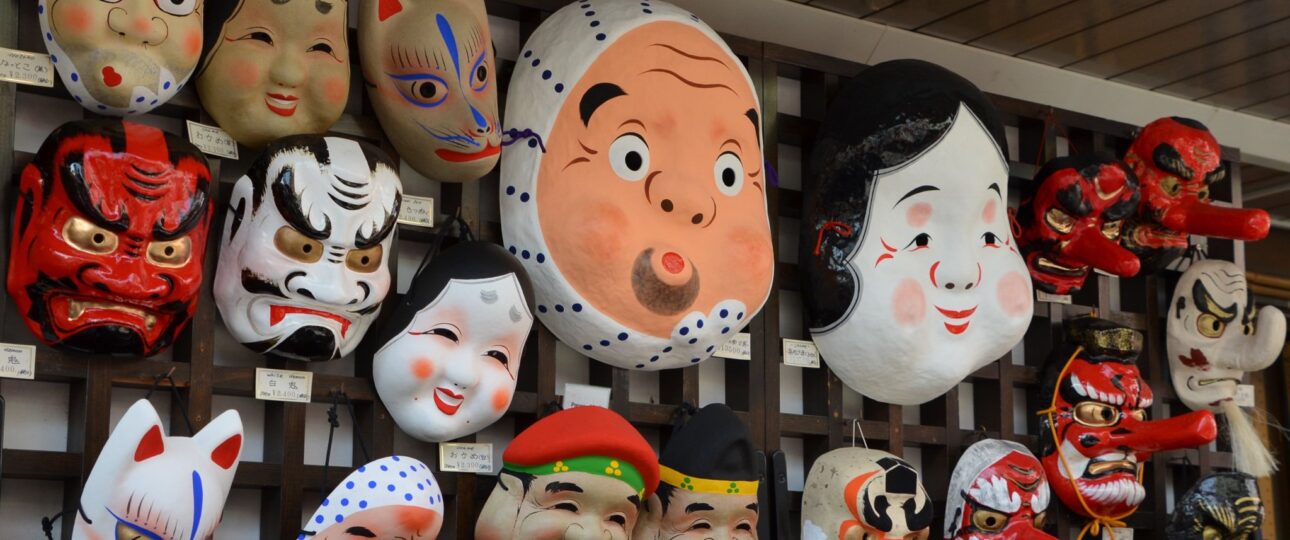
Gifu Prefecture’s cultural depth is not only visible in its landscapes and historic towns, but also felt through the objects shaped by human hands. For centuries, the region’s natural environment—its forests, rivers, and mineral resources—has supported a strong tradition of craftsmanship. These crafts are not …

Mountains, Rivers, and Seasons: Experiencing Nature in Gifu Prefecture

mountains rivers and seasons experiencing nature in gifu prefecture

Nature is not a backdrop in Gifu Prefecture—it is the framework around which life has developed. Surrounded by mountain ranges and crossed by clear rivers, Gifu offers some of central Japan’s most immersive natural environments. Rather than dramatic viewpoints designed for quick visits, the region …

Historic Towns and Villages of Gifu: Where Time Continues to Flow

historic towns and villages of gifu where time continues to flow

Gifu Prefecture is often described as a place where Japan’s past feels unusually close to the present. This impression is especially strong in its historic towns and rural villages, where traditional architecture, local customs, and community life remain deeply intertwined. Rather than existing as preserved …

Why Gifu Represents the Timeless Heart of Central Japan

why gifu represents the timeless heart of central japan

Located in the very center of the Japanese archipelago, Gifu Prefecture is a place where geography, history, and tradition converge. Often passed through rather than lingered in, Gifu quietly preserves some of Japan’s most enduring cultural landscapes—from mountain villages shaped by centuries of self-sufficient living …

Slow Travel in Fukui: Hot Springs, Countryside, and the Art of Taking Time

slow travel in fukui hot springs countryside and the art of taking time

In a country often associated with efficiency and speed, Fukui Prefecture offers a different interpretation of travel—one defined by patience, presence, and simplicity. Here, journeys unfold gradually. Days are shaped less by schedules and more by natural rhythms, seasonal changes, and moments of quiet connection. …

Taste of Fukui: Local Cuisine Shaped by Sea, Seasons, and Simplicity

taste of fukui local cuisine shaped by sea seasons and simplicity

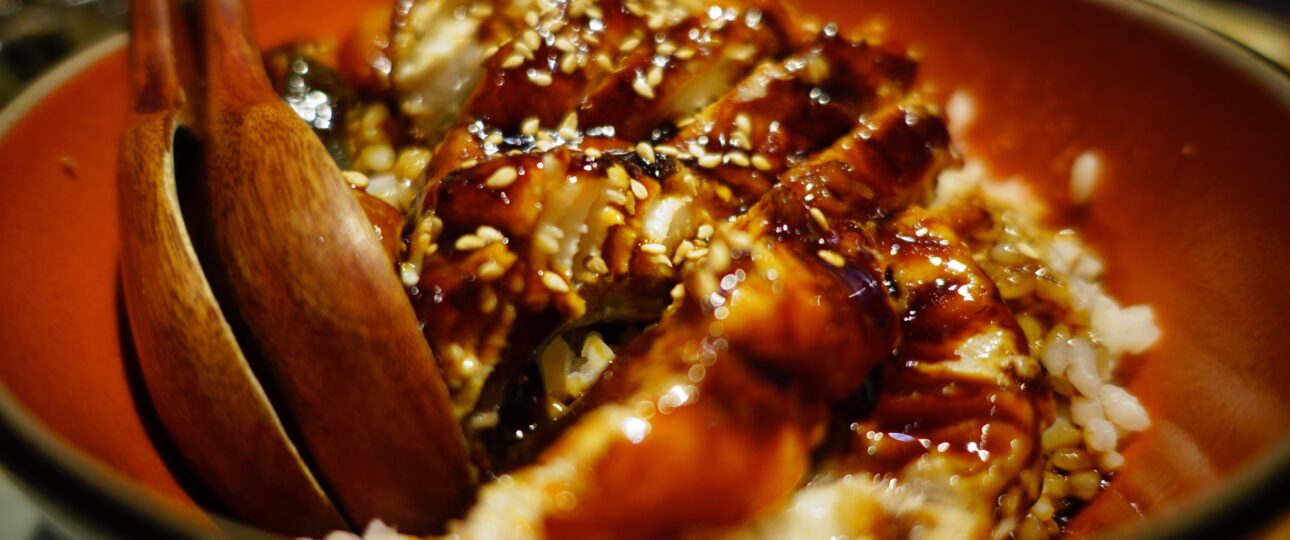
Fukui Prefecture’s food culture reflects the same quiet depth found in its landscapes and spiritual traditions. Rather than bold reinvention or trend-driven dining, Fukui’s cuisine is grounded in seasonality, restraint, and respect for ingredients. Influenced by the Sea of Japan, fertile inland plains, and a …

Fukui’s Untamed Landscapes: Coastlines, Forests, and the Power of Nature

fukui's untamed landscapes coastlines forests and the power of nature

Beyond its spiritual heritage, Fukui Prefecture is defined by nature in its most elemental form. Facing the Sea of Japan and stretching inland toward forested mountains and rural plains, Fukui offers landscapes that feel raw, expansive, and refreshingly untouched. This is not a region of …

Experiencing Zen in Fukui: Eiheiji and the Spiritual Heart of the Prefecture

experiencing zen in fukui eiheiji and the spiritual heart of the prefecture

While Fukui Prefecture is often described as quiet or understated, its spiritual influence on Japanese culture is profound. At the center of this legacy stands Eiheiji Temple, one of the most important Zen Buddhist temples in Japan and the spiritual heart of Fukui. Founded in …