Perched on a hill overlooking the modern city of Naha, the magnificent Shuri Castle stands as one of the most important historical landmarks in southern Japan. Once the royal palace of the ancient Ryukyu Kingdom, Shuri Castle represents the political, cultural, and spiritual center of Okinawa’s past.
Unlike traditional Japanese castles built primarily for military defense, Shuri Castle reflects a unique blend of architectural influences from Japan, China, and Southeast Asia. Its bright red structures, ornate decorations, and elegant courtyards symbolize the international connections that defined the Ryukyu Kingdom for centuries.
Today, visitors exploring the castle grounds can step back into a remarkable period of history when Okinawa served as a thriving maritime kingdom and cultural crossroads in East Asia.
The Heart of the Ryukyu Kingdom
For more than 400 years, Shuri Castle served as the royal palace of the Ryukyu Kingdom. Established in the 15th century, the kingdom controlled a network of islands stretching across the East China Sea and played an important role in regional trade.
Because of its strategic location between China, Japan, and Southeast Asia, the Ryukyu Kingdom became a center of international commerce and diplomacy. Ships from many regions arrived in Okinawa carrying goods, ideas, and cultural influences.
Shuri Castle was the heart of this thriving kingdom. Within its walls, kings governed the islands, diplomats negotiated with foreign powers, and ceremonies celebrated the culture and traditions of Ryukyuan society.
The castle complex included government offices, ceremonial halls, and living quarters for the royal family, all arranged within a series of stone walls and gates that protected the royal court.
A Unique Architectural Style
One of the most striking features of Shuri Castle is its architectural style. Unlike the white-walled fortresses typical of mainland Japan, the castle’s buildings are painted in vivid shades of red and decorated with elaborate dragon motifs and traditional Ryukyuan patterns.
This distinctive appearance reflects the kingdom’s close relationship with China, particularly during periods when the Ryukyu kings maintained diplomatic ties with the Chinese imperial court. Elements of Chinese palace design influenced the layout and decorations of the castle.
At the center of the complex stands the Seiden, or main hall, where the king conducted official ceremonies and received foreign envoys. The structure’s bold colors and intricate carvings symbolize royal authority and cultural refinement.
Surrounding the main hall are courtyards and ceremonial spaces where important rituals and celebrations once took place. Walking through these areas today offers visitors a sense of the grandeur and sophistication of the Ryukyu royal court.
For travelers seeking a personalized and stress-free Japan journey, our consultation service offers expert guidance every step of the way.
A Kingdom Shaped by Trade and Culture
The Ryukyu Kingdom was famous for its role as a trading nation. Merchant ships connected Okinawa with major ports in China, Korea, Japan, and Southeast Asia. These connections allowed the kingdom to prosper economically while also absorbing cultural influences from across the region.
Music, clothing, architecture, and artistic traditions in Okinawa all reflect this multicultural heritage. Even today, aspects of Ryukyuan culture remain distinct from those of mainland Japan.
Shuri Castle became the center of these cultural developments. Royal ceremonies, diplomatic receptions, and important festivals were held within its walls, helping to shape the traditions that define Okinawan identity today.
Destruction and Restoration
Like many historic sites in Okinawa, Shuri Castle suffered significant damage during the Battle of Okinawa near the end of World War II. The castle was almost completely destroyed during intense fighting between Japanese and American forces in 1945.
For many years after the war, the site remained in ruins. However, in the late 20th century, major restoration efforts began to rebuild the castle based on historical documents, photographs, and archaeological research.
The reconstructed buildings were officially opened to the public in 1992, allowing visitors to once again experience the royal architecture of the Ryukyu Kingdom.
In recognition of its historical importance, the site was later included as part of the UNESCO World Heritage listing for the Gusuku Sites and Related Properties of the Kingdom of Ryukyu.

The 2019 Fire and Ongoing Reconstruction
In October 2019, tragedy struck when a large fire destroyed several major structures within Shuri Castle, including the main hall. The loss was deeply felt across Okinawa and Japan, as the castle symbolized the cultural heritage of the Ryukyu Kingdom.
Despite the devastation, restoration work quickly began once again. Using detailed records and advanced preservation techniques, experts are rebuilding the castle so that future generations can continue to learn from and appreciate its history.
Visitors today can still explore the castle grounds, stone walls, gates, and surrounding viewpoints while observing the ongoing reconstruction process.
Exploring Shuri Castle Today
A visit to Shuri Castle offers far more than simply viewing historic buildings. The entire area surrounding the castle provides an immersive cultural experience.
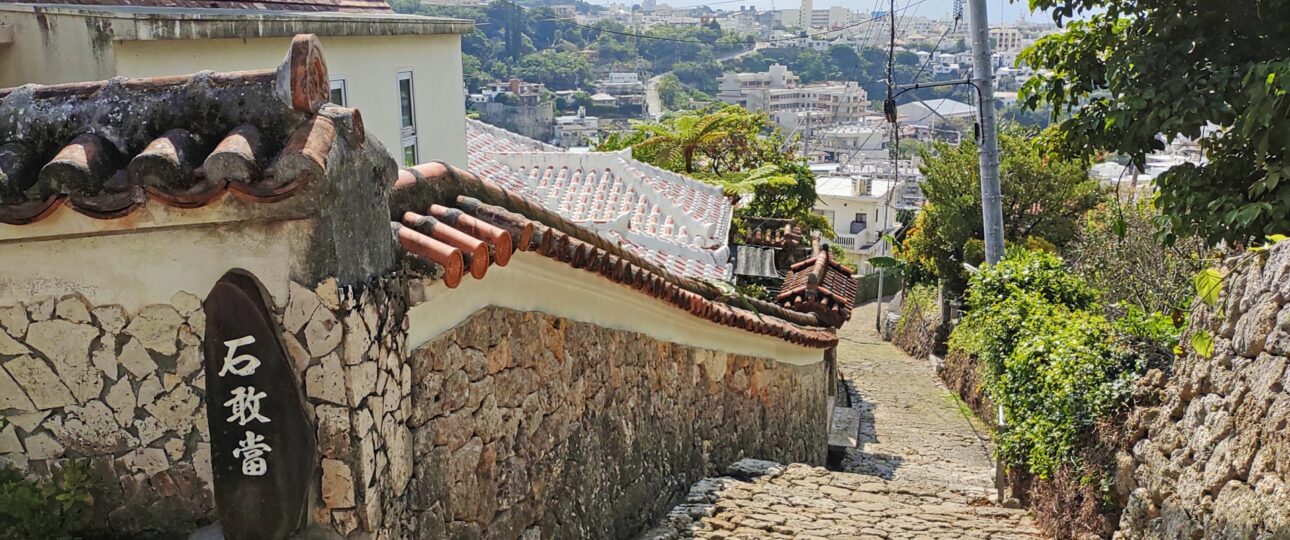
The stone pathways leading up to the castle gates create a sense of anticipation as visitors approach the royal complex. From the hilltop location, panoramic views of Naha and the surrounding landscape reveal why the site was chosen as the kingdom’s political center.
Nearby museums and exhibitions provide detailed insights into the history, diplomacy, and traditions of the Ryukyu Kingdom. Visitors can learn about royal ceremonies, traditional crafts, and the cultural exchanges that shaped Okinawa’s identity.
Seasonal festivals and cultural performances are also occasionally held near the castle, offering travelers the opportunity to experience Okinawan traditions in an authentic setting.

Planning a trip to Japan and not sure where to start? We’re happy to help you design a journey that fits your travel style.
A Symbol of Okinawan Identity
Today, Shuri Castle stands not only as a historic monument but also as a powerful symbol of Okinawan culture and resilience. Its history reflects the rise of the Ryukyu Kingdom, the challenges of war and destruction, and the determination to preserve cultural heritage.
For travelers exploring Okinawa Prefecture, visiting Shuri Castle provides a deeper understanding of the islands’ unique past and identity. The site connects modern Okinawa with the centuries-old traditions that continue to shape life across the islands.
As reconstruction progresses, Shuri Castle remains a place where history, culture, and national pride come together—reminding visitors of the remarkable legacy of the Ryukyu Kingdom.

Create Your Own Travel Booking With Us
We specialize in crafting unforgettable journeys across Japan. Whether you’re a solo traveler, couple, or family, our expert planners, multilingual guides, and customer care team ensure your adventure is seamless and unique — from first click to final destination.
Create your travel booking website with us — and let your story unfold in Japan.