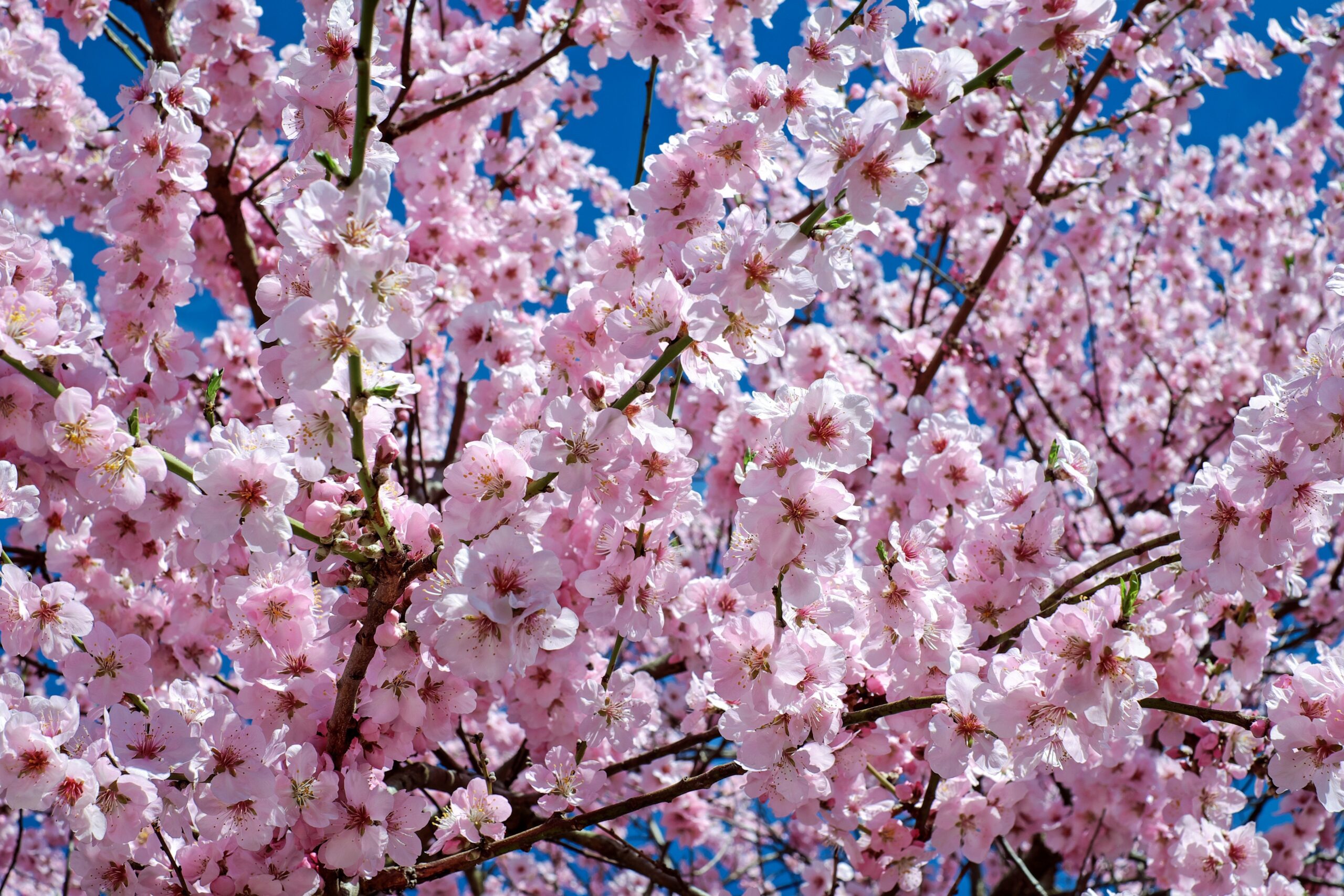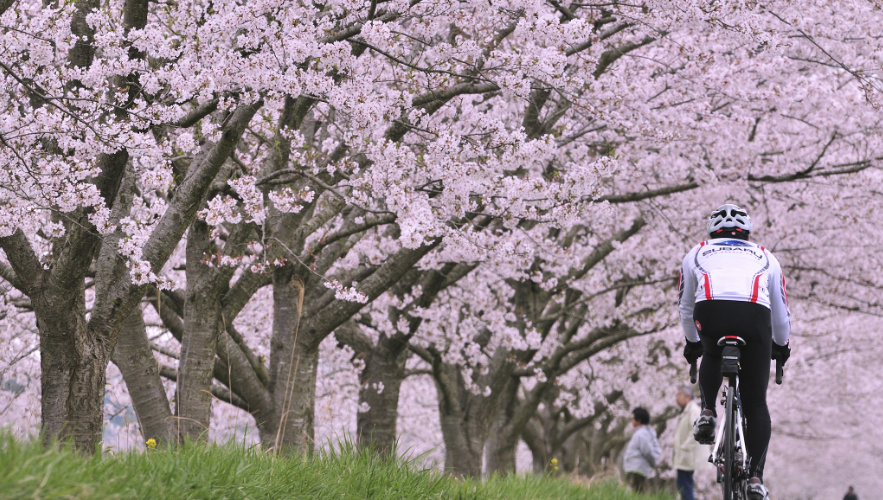
Cherry blossom season is one of the most exciting times to visit Japan—but it is also the time when trip length matters the most. A route that feels “fine” in a normal month can feel rushed and exhausting in late March and early April because crowds, hotel availability, and transit time all increase.
If you are deciding between 7, 11, or 14 days in Japan during sakura season, the best choice depends on your travel pace and priorities: do you want a classic first trip, a balanced cultural journey, or a comfort-first itinerary with breathing room?
Quick answer: which trip length should you choose?
- Choose 7 days if you want a focused first-time route and accept a faster pace.
- Choose 11 days if you want the best balance of highlights, culture, and comfort.
- Choose 14 days if you want a slower rhythm, fewer transfers, and more flexibility (especially for seniors).
If you want a broader overview of itinerary decision-making beyond sakura season, this guide can help:
What changes during cherry blossom season (and why it affects trip length)
During peak sakura weeks, “real travel time” becomes longer than the map suggests. Trains and buses are busier, popular areas move slower on foot, and spontaneous changes are harder because many hotels sell out early.
That is why trip length is not only about how many days you have—it is about how much pressure your route creates. The shorter your trip, the more important it is to keep the route simple.
7 days in Japan during sakura season: best for a focused first trip
Seven days works best when you choose one primary region and avoid frequent hotel changes. A classic first-time approach is to focus on a Tokyo–Kyoto/Osaka structure, but you must keep it realistic: you will not have time for “everything,” and that is okay.
Who 7 days is best for
- First-time visitors who want famous highlights
- Travelers who are comfortable with early starts and tighter schedules
- People who prefer a “structured, efficient” style
What to avoid on a 7-day sakura trip
- Too many day trips stacked back-to-back
- Adding distant regions “just because”
- Changing hotels every night
If you want a focused route designed for a short window, this is a good starting point:
11 days in Japan during sakura season: the balanced sweet spot
For many travelers, 11 days is the most satisfying option. It provides enough time for major highlights while still allowing a calmer rhythm. Instead of feeling like you are “running through Japan,” you can experience neighborhoods, local food culture, and seasonal atmosphere without constant pressure.
This is also the trip length that most naturally supports good planning: you can include classic cities, add one or two scenic experiences, and still have time buffers—something that becomes extremely valuable during a crowded season.
Who 11 days is best for
- Travelers who want both highlights and depth
- Couples who prefer calmer evenings and unhurried days
- First-time visitors who dislike rushing but still want variety
If you want a balanced cultural itinerary with a sustainable pace, you can explore:
14 days in Japan during sakura season: best for comfort and flexibility
Two weeks is often the most comfortable way to experience Japan in cherry blossom season—especially if you want fewer rushed mornings, less “transfer fatigue,” and more flexibility when weather or crowds affect your plan.
Fourteen days gives you room to protect your energy. You can keep a slower rhythm, avoid stacking long transit days, and enjoy cherry blossoms without feeling that every moment must be optimized.
Who 14 days is best for
- Senior travelers and comfort-first travelers
- Families who need pacing and rest time
- Visitors who want a smoother, less crowded-feeling experience
For a comfort-first structure during sakura season, these itineraries are strong options:
How to decide if you are still unsure
If you are torn between two trip lengths, use this simple test: imagine your travel day with crowds. If a tight itinerary already sounds tiring in a normal week, it will feel even heavier during cherry blossom season. In that case, choose the longer option or simplify the route.
- If you want efficiency and iconic sights: 7 days (focused route)
- If you want highlights plus a comfortable rhythm: 11 days
- If you want the smoothest experience: 14 days (comfort-first)
Frequently asked questions
Is 7 days enough to see cherry blossoms in Japan?
Yes, if your route is focused and realistic. The key is to avoid overpacking the itinerary and to choose a route that works even with crowds.
Is 11 days better than 7 days for sakura season?
For most travelers, yes. Eleven days provides better pacing, more flexibility, and a more satisfying experience during a high-demand season.
Is 14 days too long?
No. Two weeks is often the most comfortable way to travel in cherry blossom season, especially for seniors or travelers who value relaxed pacing.
Final recommendation
If you want a classic first-time Japan experience, 7 days can work if you keep it focused. If you want the best balance of highlights and comfort, 11 days is the sweet spot. If you want a smoother, less rushed cherry blossom journey, 14 days offers the most flexibility and comfort.
If you have not read it yet, you may also like this overview guide: