Yes. Most international visitors can travel through Japan without speaking Japanese, especially on a route through Tokyo, Kyoto, Osaka and other major destinations. The trip becomes much easier when you prepare mobile data, translation tools, Japanese addresses and a few useful phrases before arrival.
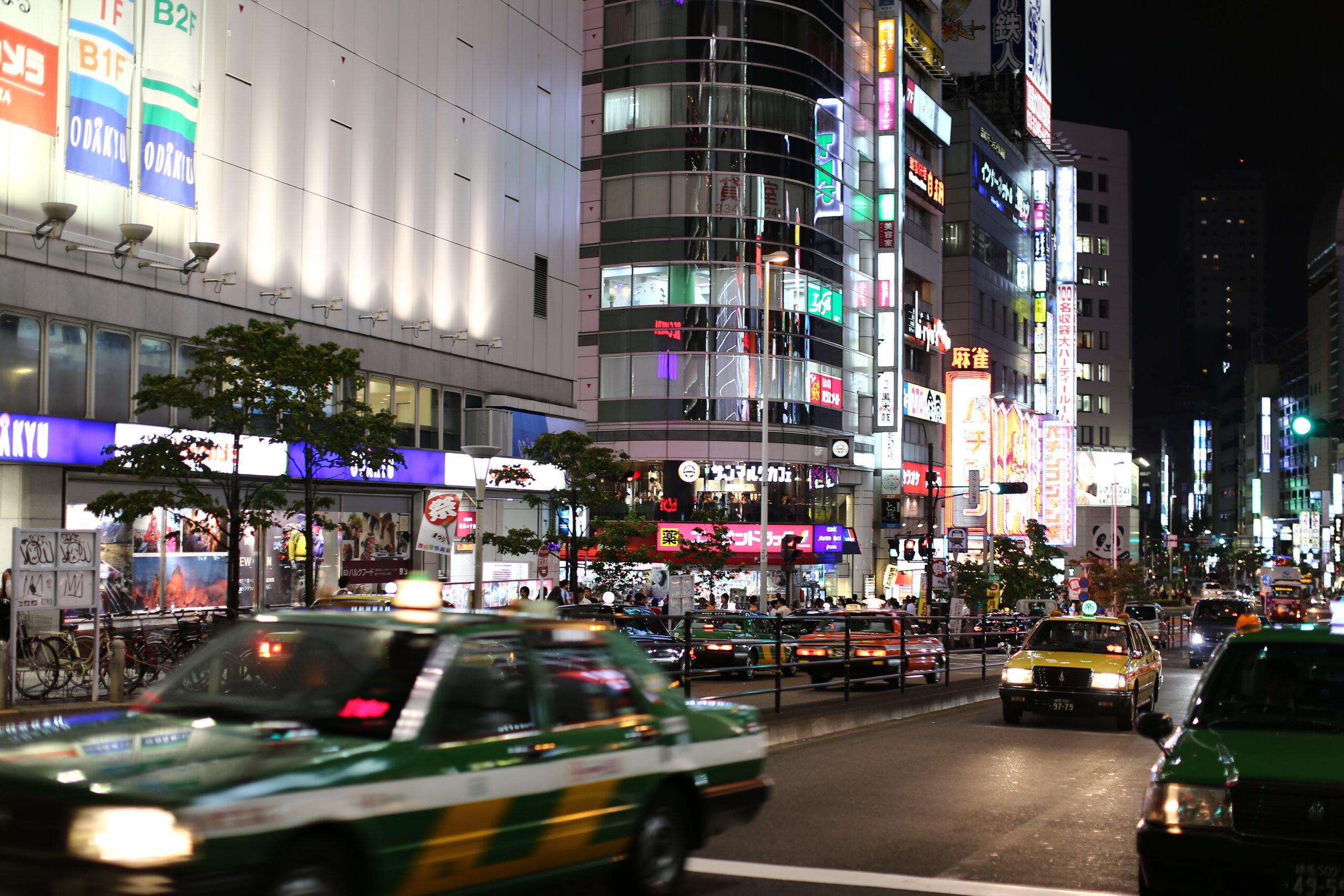
The Japan National Tourism Organization states that English is generally understood in major tourist areas, airports, hotels and large transport systems, and that English signage is widely available at stations and public facilities. It also warns that English may be less available in rural areas and small local shops. That is the most realistic way to think about the language barrier: manageable, but not identical everywhere.
How Difficult Is It to Travel Japan Without Speaking Japanese?
For a standard first-time itinerary, the language barrier is usually an inconvenience rather than a reason not to travel. Major rail routes use station names and numbers, airports provide multilingual signs, and many ticket machines, hotel systems and popular attractions offer English options.
Difficulties are more likely when a request needs nuance. A staff member may understand a destination name but not a long explanation. A translated menu may list the main dish but omit stock, sauces or allergens. A rural bus may have limited English information. A small ryokan may communicate important meal and bathing times mainly in Japanese.
Where Is English Easier—or Harder—to Use in Japan?
| Situation | What to expect | Best preparation |
|---|---|---|
| International airports | English signs, announcements and service counters are widely available. | Save your hotel address and airport-transfer details. |
| Shinkansen and major city stations | Station names, platform information and ticket systems commonly offer English. | Check the train name, departure time, car number and final destination. |
| Major hotels and attractions | English support is often available, but the level varies by staff member and time. | Keep reservation names and confirmation numbers ready. |
| Local restaurants | Picture menus or simple English may be available; detailed ingredient questions can be harder. | Carry a written Japanese allergy or dietary-restriction card. |
| Rural buses and small stations | English information may be limited and services may run infrequently. | Save schedules, stop names and return options before leaving. |
| Ryokan and family-run accommodation | Warm service does not always mean fluent English. | Confirm meals, bathing rules, check-in time and transport in advance. |
| Medical or emergency situations | Accurate communication matters more than ordinary travel conversation. | Use official support, insurance assistance and written medical information. |
If this is your first visit, also review Jatravi’s essential things to know before going to Japan and the Japan Transportation Guide before finalizing your route.
What to Prepare Before Traveling Japan Without Japanese
Travelers choosing between mobile-data options can use Jatravi’s eSIM versus pocket WiFi guide. Choose the option that works for every person who may need to navigate independently, rather than connecting only one phone in the group.
Useful Translation and Navigation Tools for Japan
Map and train app
Use a route planner that shows station names, platforms, departure times and transfer details. Save the route before entering an underground area with weaker reception.
Camera translation
Camera translation helps with signs and menus, but it may misread stylized fonts, handwriting, allergens or context. Use it as an aid, not a safety guarantee.
VoiceTra
JNTO recommends VoiceTra as a free multilingual speech-translation tool designed for travel conversations. Download and test it before the trip.
Safety Tips
The official Safety Tips app provides alerts for earthquakes, tsunamis, volcanic activity and severe weather. Enable notifications after installation.
Offline screenshots
A screenshot of the destination name, train reservation or hotel address remains useful when the app, battery or network does not cooperate.
Paper backup
Keep one printed page with your hotels, emergency contacts, insurance details and important medical information.
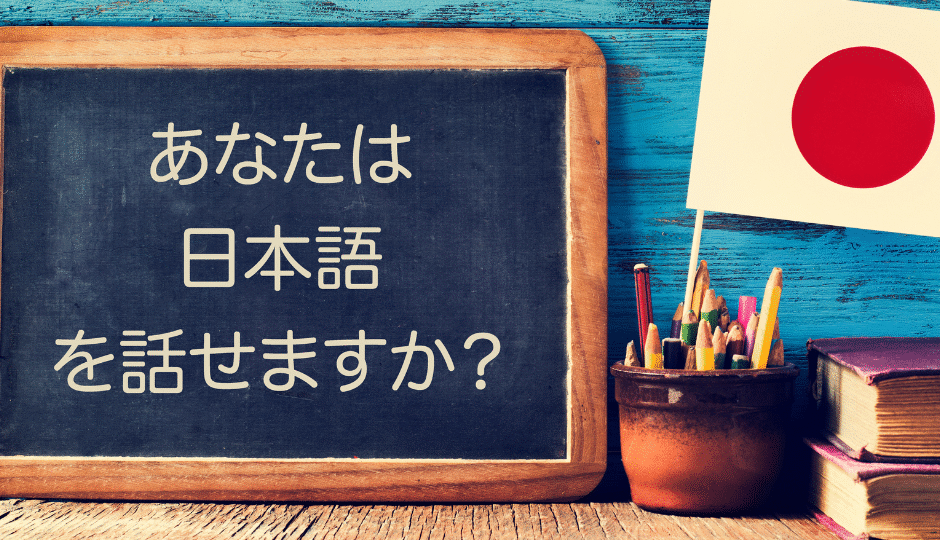
JNTO’s official Japanese-language guide provides basic phrases and links to VoiceTra. App availability and functions can change, so install and test your preferred tools before departure.
How to Handle Common Travel Situations
Taking trains
Show staff the complete journey rather than saying only a city name. Include the departure station, destination station, preferred time and any reserved train. At large stations, follow the train line, train name and platform—not only the color of a sign.
Ordering food
Pointing at a menu works for an ordinary order, but it is not enough for a serious allergy. Machine translation may overlook broth, sauces, cross-contact or ingredients not listed on the menu. Carry a clear Japanese allergy card and confirm whether the restaurant can safely accommodate you.
Checking into a hotel or ryokan
Show the booking name exactly as it appears on the reservation. At a ryokan, confirm dinner time, breakfast time, bathing arrangements, footwear rules and the last check-in time. If your arrival is delayed, contact the property instead of assuming dinner can be moved.
Using a taxi
Show the destination’s Japanese address, telephone number and map pin. A hotel name written only in English may not be enough, particularly when several properties have similar names or the entrance is on a smaller street.
Asking for help
Begin with a short request and show the relevant information. “Which platform?” plus the train screen is easier to understand than a long explanation of the entire itinerary. Tourist information centers, station offices and hotel front desks are usually better places for complex questions than a busy ticket gate.
Useful Japanese Phrases for Travelers
| Japanese | Pronunciation | Meaning | When to use it |
|---|---|---|---|
| すみません | Sumimasen | Excuse me / Sorry | Getting attention or beginning a polite request |
| ありがとうございます | Arigatou gozaimasu | Thank you very much | Thanking staff or someone who helped you |
| 英語は話せますか? | Eigo wa hanasemasu ka? | Do you speak English? | Before explaining a more complex question |
| わかりません | Wakarimasen | I do not understand | When you need the explanation repeated or shown |
| これをお願いします | Kore o onegaishimasu | This one, please | Pointing to a menu item, ticket or product |
| ___ はどこですか? | ___ wa doko desu ka? | Where is ___? | Finding a station, toilet, exit or facility |
| ゆっくりお願いします | Yukkuri onegaishimasu | Slowly, please | Asking someone to speak more slowly |
| この住所までお願いします | Kono juusho made onegaishimasu | Please take me to this address | Showing a taxi driver a written destination |
Polite effort matters more than perfect pronunciation. Say the phrase slowly, keep the request short and show the same information on your phone when necessary.
Who May Need Additional Language or Planning Support?
Independent travel is realistic for many visitors, but additional support may be worthwhile when communication mistakes would have larger consequences.
- Families managing children, luggage and several reservations at once
- Older travelers or anyone with reduced mobility
- Travelers with serious allergies, medical conditions or accessibility requirements
- Groups using private vehicles, guides or several hotels
- Visitors traveling through rural regions with limited public transport
- Travelers attending ticketed events with strict entry or meeting procedures
- Anyone attempting a tight itinerary with several same-day transfers
The best solution is not necessarily a guide for every day. A customized route may combine independent city days with selected airport transfers, private transport, guided visits or pre-arranged support where the language and logistics are more complicated.
Emergency Numbers and English-Language Help in Japan
For an urgent police response.
For fire, serious illness or injury.
Tourist information and emergency assistance.
JNTO lists its Visitor Hotline as operating 24 hours a day, 365 days a year, with support in English, Chinese and Korean. The overseas number is +81-50-3816-2787. Save the official Japan Visitor Hotline page and verify the details again before travel.
In a medical emergency, contact emergency services rather than relying only on a translation app. Carry travel-insurance contact details, your accommodation address and written information about medications, allergies and existing conditions.
More First-Time Japan Planning Guides
Tell Jatravi your dates, group size, destinations, mobility needs, food requirements and preferred travel style. We can design a customized route and identify where independent travel, private transport or local support makes the most sense.
Submit Your Japan Trip RequestFrequently Asked Questions
Can I travel Japan without speaking Japanese?
Yes. Most first-time visitors can travel Japan without speaking Japanese, especially in major cities and established tourist areas. Mobile data, translation tools and saved Japanese addresses make the trip much easier.
Is English widely spoken in Japan?
English signs and multilingual services are common at airports, major stations, many hotels and popular attractions. Spoken English varies, especially in rural areas, local restaurants and small family-run businesses.
Which translation app should I use in Japan?
Use a translation app with text, camera and offline functions, and test it before departure. JNTO also recommends VoiceTra for multilingual travel conversations.
Can I use Google Maps for trains in Japan?
Map apps are useful for routes, times and platforms, but always compare the app with station signs and live service information. Save important routes in case reception becomes weak.
How do I communicate a food allergy in Japan?
Prepare a professionally checked Japanese allergy card before travel and show it before ordering. Do not rely only on camera translation because menus may omit broth, sauces, cross-contact or unlisted ingredients.
Is rural Japan difficult without Japanese?
Rural travel can require more preparation because English information and transport frequency may be limited. Save stop names, timetables, hotel addresses and return options before leaving a major city.
What number should tourists call for help in Japan?
Call 110 for an urgent police response and 119 for fire or ambulance services. JNTO’s Japan Visitor Hotline is 050-3816-2787 within Japan and provides multilingual tourist and emergency assistance.
Language and emergency information was checked against current guidance from the Japan National Tourism Organization and Japan Tourism Agency. App functions, telephone services and travel procedures can change, so confirm official information shortly before departure.