Japan is famous for its refined cuisine — fresh seafood, delicate broth, and complex flavors that change with the seasons. But for vegetarian travelers, navigating the food scene can sometimes feel intimidating. From hidden fish-based ingredients to unfamiliar menu terms, even “vegatarian-looking” dishes may not be fully plant-based.
The good news? Japan has become increasingly vegetarian-friendly in recent years. With rising global awareness, more restraurants, cafes, convenience stores, and even traditional ryokans now cater to plant-focused diets. Whether you follow a strict vegatarian lifestyle or simply perfer meat-free options during your trip, you’ll find a surprising variety of delicious meals across the country.
This comprehensive guide covers everything you need to know: where to eat, what to order, key phrases to use, and how to enjoy Japan’s vegetarian cuisine with confidence.
Understanding Vegetarian Dining in Japan
Before diving into recommendations, it’s important to understand a few cultural and culinary points:
Japan’s hidden non-vegetarian ingredients
Many Japanese dishes contain ingredients that may not be immediately obvious:
- Dashi (だし): The base stock for soups and sauces, often made from bonito (katsuobushi), a type of dried fish.
- Oyster sauce or fish sause: Common in stir-fries and Chinese-influenced dishes.
- Gelatin: Sometimes used in sweets.
- Lard: Used for frying or flavoring some noodle dishes.
- Katsuo flakes: Sprinkled on tofu, okonomiyaki, and other savory dishes.
While plant-based alternatives exist, it’s best to clearly confirm if a dish is truly vegetarian.

Want tailored advice for a vegetarian trip in Japan?
The Most Vegetarian-Friendly Japanese Dishes
Despite the challenges, Japan offers many wonderful vegetarian dishes — some rooted in centuries-old Buddhist cuisine.
Shojin Ryori (精進料理) – Buddhist temple cuisine
Shojin ryori is the original Japanese vegan cuisine, developed by monks who follow Buddhist dietary rules.
It typically includes:
- Seasonal vegetables
- Tofu in many forms
- Rice and grain dishes
- Miso soup (usually vegan in temples)
- Sesame-based dishes
- Tempura made with vegetable-only batter
You can enjoy shojin ryori at temples in Kyoto (e.g., Tenryu-ji, Nanzen-ji) and at specialty restaurants throughout the city.
Vegetarian sushi
Not all sushi involves fish. Vegetarian-friendly sushi option include:
- Kappa maki (cucumber roll)
- Shinko maki (pickled radish roll)
- Kampyo maki (dried gourd roll)
- Avocado maki
- Ume shiso rolls
- Inari sushi (sweet tofu pockets stuffed with rice)
Many sushi chains also list allergy information, helping you confirm ingredients.
Soba and udon
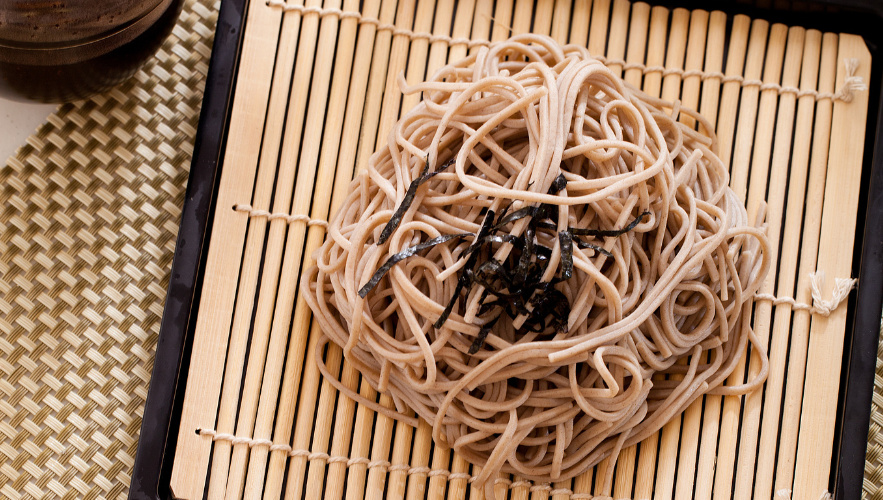
Noodle dishes can be vegetarian if you ensure the broth is plant-based. Ask for:
- Kitsune udon (with fried tofu)
- Plain or cold soba with dipping sauce (check that the dip is not fish-based)
- Sansai soba (mountain vegetables)
Some restaurants can substitute the broth if requested.
Tofu dishes
Tofu plays a major role in Japanese cuisine, especially in Kyoto and Nagoya.
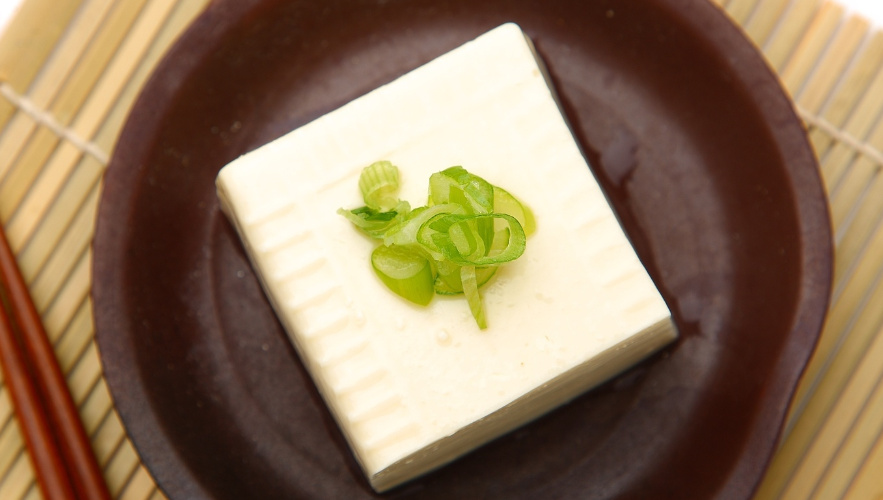
Try:
- Yudofu (hot tofu pot)
- Agedashi tofu (ask for vegetarian broth)
- Hiyayakko (chilled tofu)
- Tofu dengaku (grilled tofu with sweet miso)
Japanese-style curries
Japanese curry restaurants increasingly offer vegetarian options

Chains like CoCo Ichibanya allow you to:
- Choose vegetarian curry roux
- Add vegetable toppings
- Request no meat and no fish stock
This is a safe and convenient option for travelers.
Have questions about eating vegetarian in Japan? We’re happy to help you plan a smooth, stress-free itinerary.

Vegetarian Options in Major Cities
Tokyo
Tokyo is one of Asia’s best cities for vegetarian food.
Popular areas include:
- Shibuya & Harajuku: smoothie cafes, vegan burger shops, and modern plant-based restaurants.
- Asakusa: traditional shojin ryori and vegetarian soba shops.
- Ginza: upscale plant-based kaiseki restaurants.
Look for well-known vegetarian-friendly chains such as:
- Ain Soph
- T’s TanTan (vagan ramen)
- Nagi Shokudo
Kyoto
Kyoto is the spiritual home of vegetarian cuisine in Japan. Expect:
- Shojin ryori at temples
- Tofu specialty restaurants
- Vegetable kaiseki meals
This city is ideal for travelers seeking cultural dining experiences.
Osaka
Osaka’s food scene is lively, and vegetarian options are expanding:
- Vegan okonomiyaki restaurants
- Ramen shops offering plant-based broth
- Fresh vegetarian izakayas
Convenience Stores and Supermarkets
You may be surprised to find vegetarian options at 7-Eleven, Lawson, and FamilyMart, such as:
- Onigiri (look for ume or kombu)
- Salads with no meat
- Fruiy cups
- Edamame
- Soy-milk drinks
- Vegetable sandwiches (check ingredients)
Supermarkets also sell:
- Pre-cooked vegetable tempura
- Fresh tofu
- Vegetarian bento in some locations
How to Communicate Your Needs in Japanese
Even if English isn’t widely spoken at small restaurants, simple Japanese phrases can help.
Useful phrases:
- 私はベジタリアンです。 (Watashi wa bejitarian desu.) “I am a vegetarian.”
- 魚や肉のだしは使っていますか? (Sakana ya niku no dashi wa tsukatteimasu ka?) “Does this contain fish or meat broth?”
- 魚介類は食べません。 (Gyokairui wa tabemasen.) “I don’t eat seafood.”
- 野菜だけの料理はありますか? (Yasai dake no ryori wa arimasu ka?) “Do you have dishes with only vegetables?”
- 卵と乳製品は大丈夫です。/ ダメです。 “Eggs and dairy are OK / Not OK.”
Print these phrases or show them from your phone for clarity.

If you need help planning a vegetarian-friendly trip in Japan, our travel advisors are ready to assist.
Tips for Vegetarian Travelers in Japan
Research ahead for rural areas
Major cities are vegetarian-friendly, but countryside areas may have fewer options.
Plan meals ahead or buy snacks in advance.
Visit restaurants at non-peak times
This gives staff more time to answer questions about ingredients.
Look for “allergy charts”
Many restaurants list ingredients in detail due to Japan’s food labeling laws. This can help you avoid hidden fish stock.
Consider staying at vegetarian-friendly hotels or ryokans
Some ryokans offer vegetarian kaiseki if notified in advance.
Don’t assume “vegetable dishes” are vegetarian
Vegetable ramen or soba often use fish broth, so always confirm.
Vegetarian-Friendly Restaurant Types to Look For
- Cafe-style restaurants (パンケーキカフェ, lifestyle cafes)
- Modern vegan/vegetarian chains
- Temple restaurants in Kyoto
- Organic/health-focused restaurants
- Indian, Thai, and Nepalese eateries–many offer vegetarian curries
- Italian restaurants with customizable pasta and pizza
- Ramen shops with “vegan broth” labels
These options are widely available in big cities.
Is Japan Truly Vegetarian-Friendly?
Yes–more than ever before.
A decade ago, vegetarian dining in Japan was challenging, but today:
- Major chains offer plant-based options
- More restaurants clearly label ingredients
- International visitors have influenced menu diversity
- Vegan festivals and local health trends are growing
While hidden fish stock remains common, awareness and accommodation have improved dramatically.
Vegetarian travel in Japan is not only possible–it can be deeply rewarding. From centuries-old temple cuisine to modern plant-based cafes, Japan offers an incredible variety of meat-free dishes that reflect its culture, history, and dedication to craftsmanship.
With a little preparation, a few helpful phrases, and an understanding of common ingredients, you can enjoy a smooth and delicious culinary experience across the country.
Whether you’re exploring Tokyo’s vibrant neighborhoods, relaxing in Kyoto’s temples, or discovering charming rural towns, vegetarian options are more accessible than ever. Bring your curiosity, try new flavors, and enjoy the richness of Japan’s plant-based cuisine.
If you’d like help planning a vegetarian-friendly itinerary in Japan–or simply want advice on where to find the best plant-based meals during your trip–our travel specialists are here to assist. We offer personalized Japan travel consultations to answer your questions, recommend suitable restaurants, and help you create a smooth, worry-free journey.