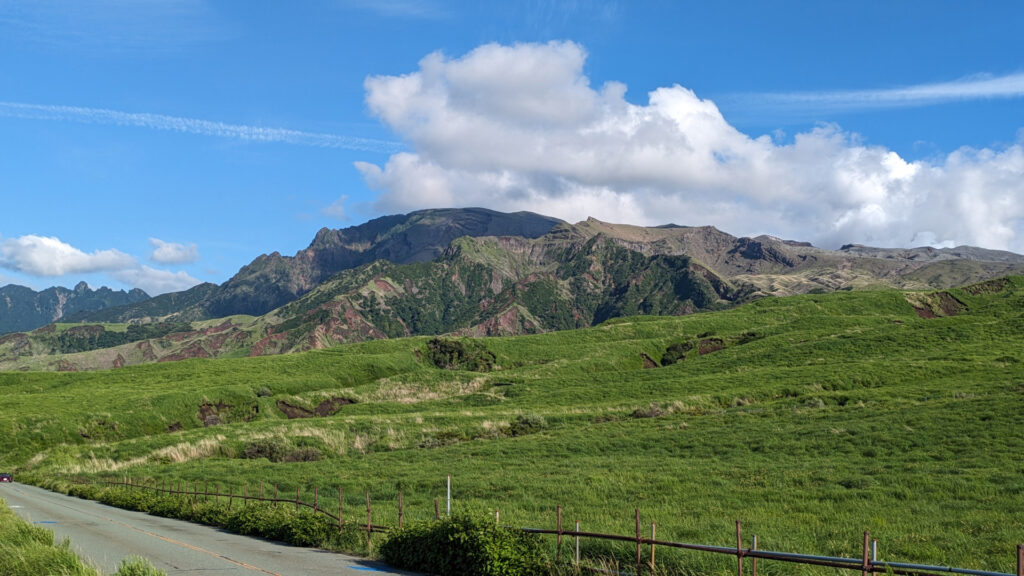
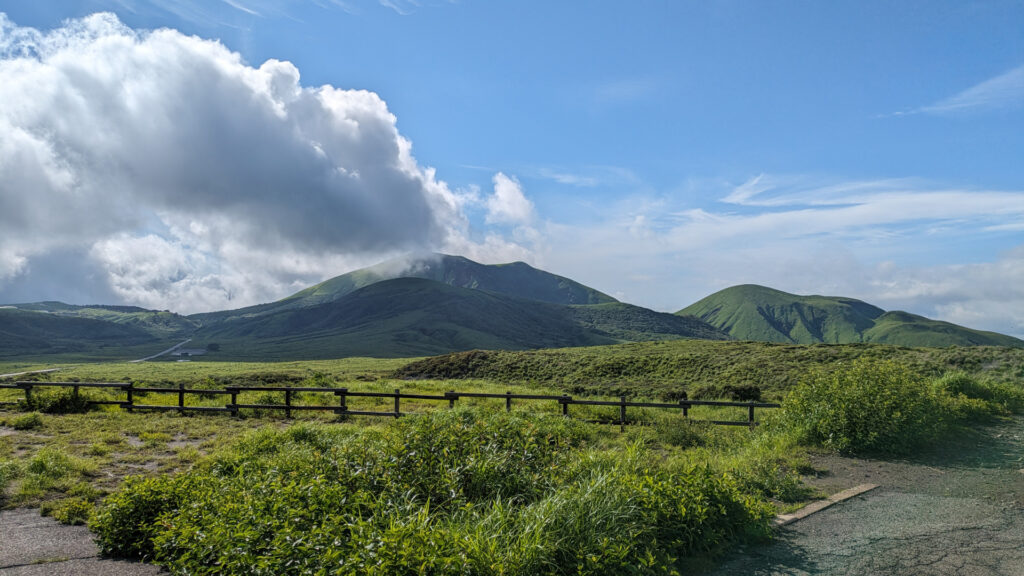
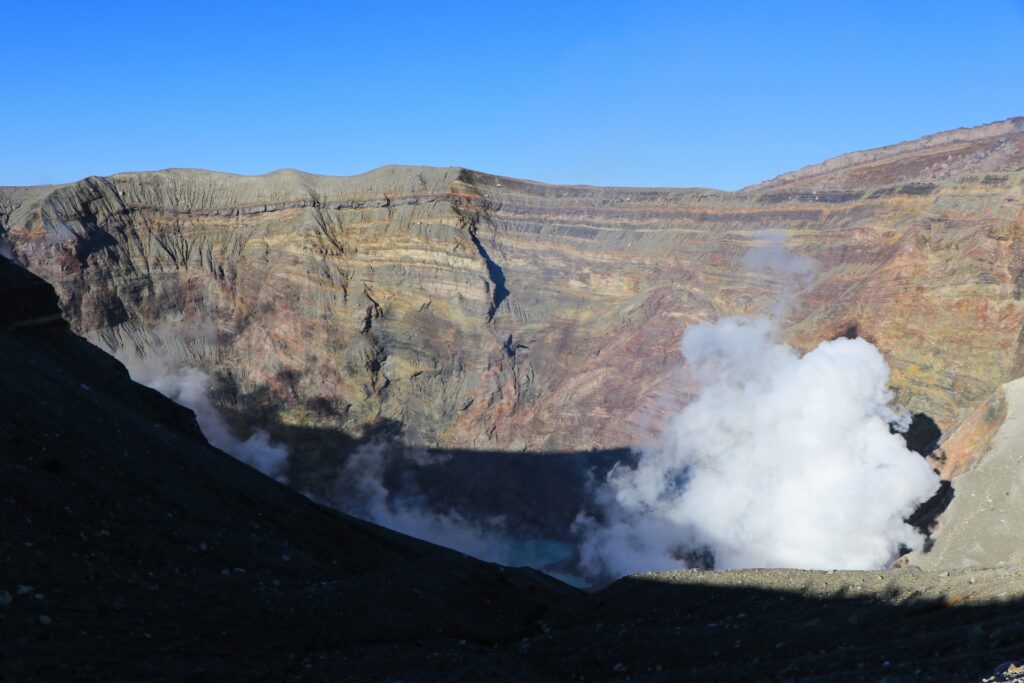
When travelers visit Kumamoto Prefecture, many immediately think of the powerful volcanic landscapes of Mount Aso or the relaxing hot springs of rural Kyushu. Yet the prefecture’s capital, Kumamoto, offers a completely different experience—one rooted in samurai history, elegant gardens, and a resilient cultural spirit.
Often overshadowed by larger Japanese cities such as Fukuoka or Nagasaki, Kumamoto City quietly preserves a rich heritage dating back to the feudal era. Walking through the city reveals a fascinating blend of historical landmarks, traditional landscapes, and modern urban life.
For visitors interested in samurai culture and Japanese gardens, Kumamoto City is one of Kyushu’s most rewarding destinations.
The Power and Legacy of Kumamoto Castle
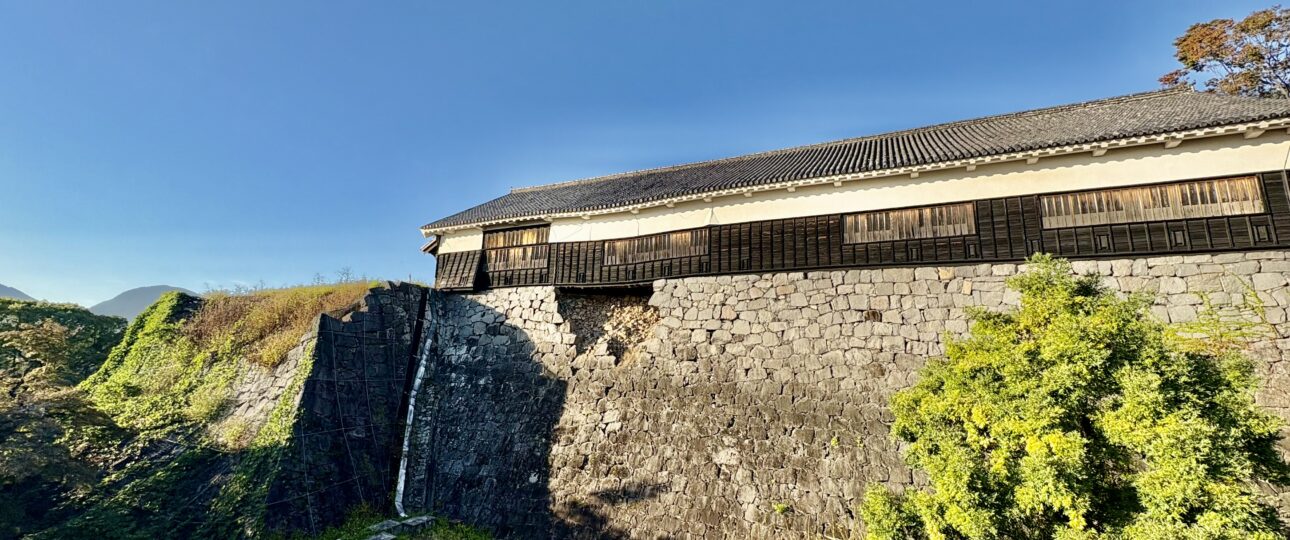
No visit to Kumamoto City would be complete without seeing the magnificent Kumamoto Castle. Built in the early 17th century by the powerful daimyo Kato Kiyomasa, the castle is widely considered one of Japan’s greatest fortresses.
Unlike many castles that were largely reconstructed in modern times, Kumamoto Castle was originally designed with advanced defensive features. Its steep stone walls curve dramatically outward, making it extremely difficult for attackers to climb. The castle complex once included more than 50 towers, gates, and defensive structures.
Although the castle suffered significant damage during the 2016 Kumamoto earthquakes, extensive restoration work has brought much of the main keep back to life. Today, visitors can once again explore parts of the castle grounds and learn about the history of the powerful samurai clans who ruled the region.
Standing before the castle’s striking black exterior walls—often called the “Crow Castle”—visitors can easily imagine the authority and strength it once represented.
For travelers seeking a personalized and stress-free Japan journey, our consultation service offers expert guidance every step of the way.
A Walk Through Samurai-Era Landscapes
Just a short distance from the castle lies one of Japan’s most beautiful traditional gardens: Suizenji Jojuen Garden.
Created in the 17th century by the Hosokawa clan, the garden was designed to represent famous landscapes of the historic Tokaido road between Edo (Tokyo) and Kyoto. Carefully shaped hills, ponds, and pine trees create a miniature version of Japan’s scenic geography.
One of the most recognizable features of the garden is a small hill that resembles Mount Fuji. From certain angles, the landscape feels almost like a painting brought to life.
Visitors can stroll along winding paths, cross elegant stone bridges, and relax at a traditional teahouse overlooking the pond. During spring, cherry blossoms frame the garden’s scenery, while autumn brings vibrant maple leaves.
Unlike some of Japan’s more crowded gardens, Suizenji Jojuen often maintains a peaceful atmosphere that allows visitors to fully appreciate its refined beauty.
Discovering Kumamoto’s Local Food Culture
Kumamoto City is also famous for its distinctive regional cuisine. One of the most well-known local dishes is basashi, thin slices of raw horse meat served sashimi-style. While it may sound unusual to some visitors, the dish has been enjoyed in Kumamoto for centuries and is considered a delicacy.
Another popular specialty is Kumamoto ramen, which differs from other ramen styles in Japan. The broth is typically rich pork bone (tonkotsu), enhanced with garlic oil that adds a deep, savory aroma.
Many restaurants around the city center serve these local dishes alongside other Kyushu favorites. Exploring Kumamoto’s food scene is a great way to experience the region’s culture through taste.
Shopping Streets and Modern City Life
While Kumamoto’s historical sites are impressive, the city also has a lively modern side. The covered shopping arcade known as Shimotori Shopping Arcade stretches through the heart of downtown and is filled with restaurants, cafés, boutiques, and entertainment venues.
Nearby, visitors will likely encounter Kumamoto’s most beloved symbol: Kumamon. This cheerful black bear mascot has become internationally famous and represents the playful spirit of the region.
From souvenir shops to local dessert cafés, the shopping district offers a lively contrast to the quiet elegance of the city’s historical sites.
A City of Resilience and Culture
Kumamoto City has faced significant challenges in recent years, particularly after the devastating earthquakes of 2016. Yet the city’s recovery has been remarkable. Restoration projects continue to preserve historical landmarks while strengthening the community’s connection to its heritage.
Visitors today can witness both the past and the future of Kumamoto—ancient samurai traditions standing alongside modern urban energy.
If you’d like help planning a smooth and well-organized trip to Japan, our travel consultants are here to assist.
Why Kumamoto City Deserves a Place on Your Kyushu Itinerary
While many travelers pass quickly through Kumamoto on their way to Mount Aso or the hot springs of rural Kyushu, those who take the time to explore the city itself discover a destination rich in history and culture.
From the powerful presence of Kumamoto Castle to the tranquil beauty of Suizenji Garden, the city offers a fascinating glimpse into Japan’s feudal past while remaining vibrant and welcoming today.
For travelers seeking a deeper understanding of Kyushu’s samurai heritage, Kumamoto City provides an unforgettable journey through time.

Create Your Own Travel Booking With Us
We specialize in crafting unforgettable journeys across Japan. Whether you’re a solo traveler, couple, or family, our expert planners, multilingual guides, and customer care team ensure your adventure is seamless and unique — from first click to final destination.
Create your travel booking website with us — and let your story unfold in Japan.