Traveling around Japan is often described as easy—and for good reason. The country’s transportation system is one of the most efficient, reliable, and extensive in the world. But for first-time visitors, it can also feel overwhelming.
Should you take the train or the bus?
Do you need a Japan Rail Pass?
What exactly is an IC card?
If you’re asking these questions, you’re not alone.
This guide breaks down everything you need to know about getting around Japan—so you can travel smoothly, confidently, and without unnecessary stress.
🚆 1. Trains: The Backbone of Travel in Japan
If there’s one thing you’ll rely on most in Japan, it’s trains.
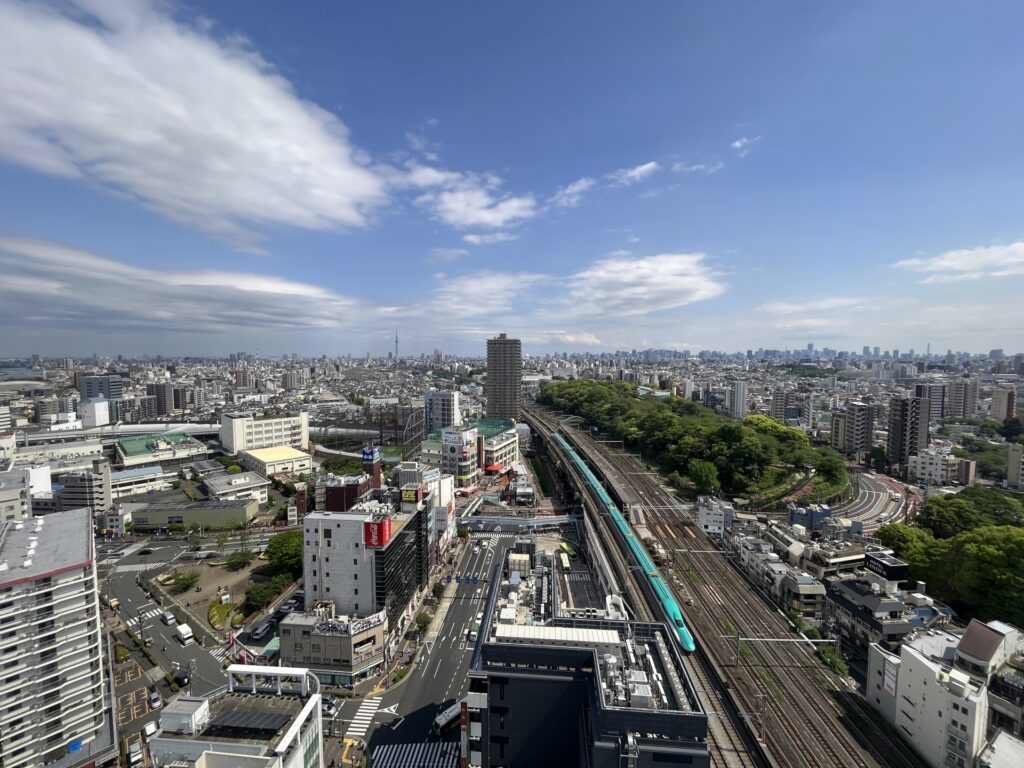
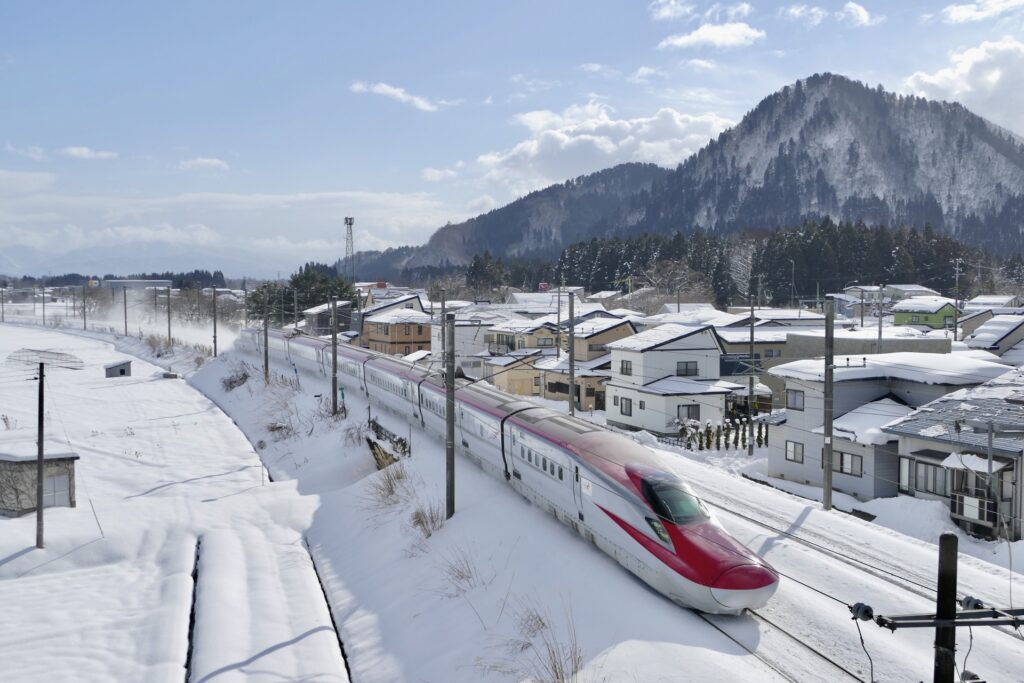
From high-speed Shinkansen (bullet trains) to local commuter lines, trains connect almost every major city and region in the country.
🚄 Shinkansen (Bullet Trains)
The Shinkansen is the fastest way to travel long distances in Japan.
Popular routes include:
- Tokyo → Kyoto (~2.5 hours)
- Tokyo → Osaka (~3 hours)
- Tokyo → Hiroshima (~4 hours)
They are:
- Extremely punctual
- Comfortable and spacious
- Ideal for long-distance travel
👉 Best for:
- Traveling between major cities
- Saving time on tight itineraries
🚉 Local and Regional Trains
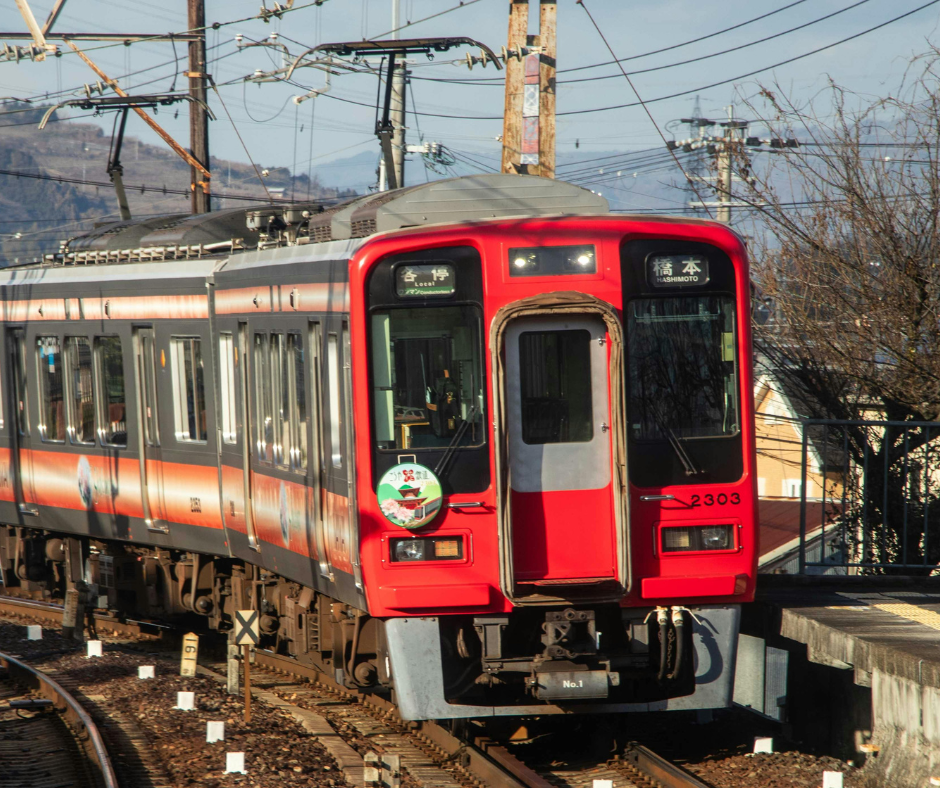
Within cities and regions, local JR lines and private railways take over.
You’ll use these for:
- Daily sightseeing
- Moving between neighborhoods
- Short regional trips
👉 Example:
Tokyo’s JR Yamanote Line connects major areas like Shinjuku, Shibuya, and Ueno.
👍 Pros of Trains
- Fast and reliable
- Easy to navigate (English signage available)
- Frequent departures
👎 Cons
- Can be expensive without passes
- Rush hours can be crowded
🚌 2. Buses: The Underrated Option
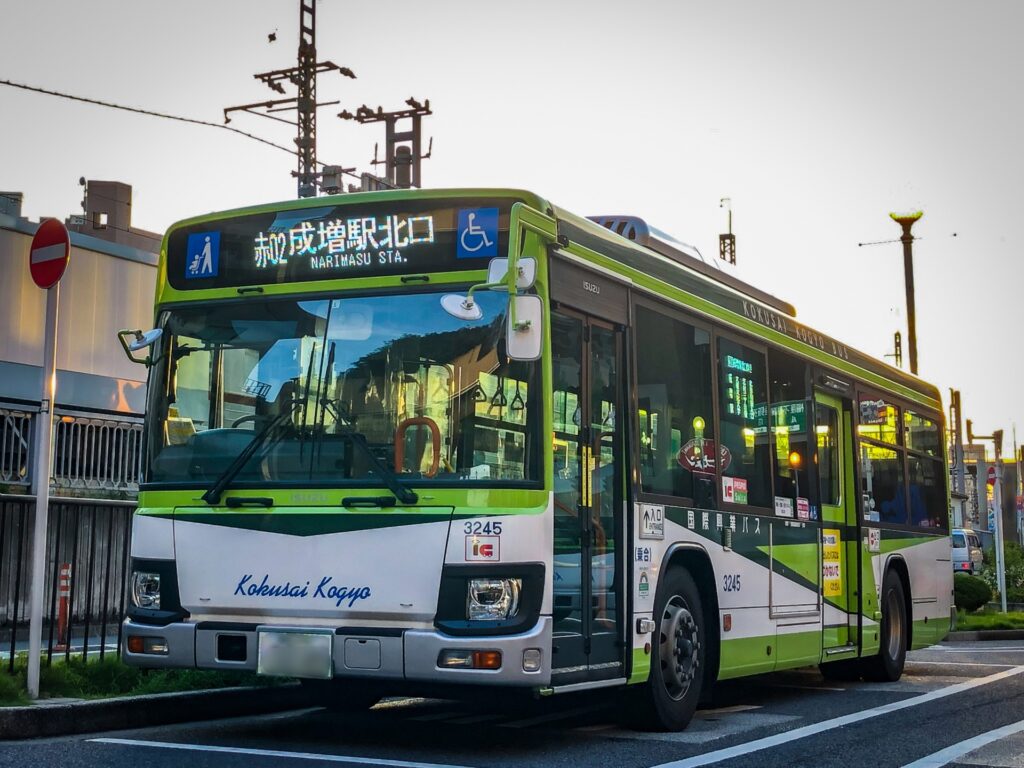
While trains dominate, buses are often overlooked—and sometimes they’re the better choice.
🏙️ City Buses
In cities like Kyoto, buses are essential because trains don’t reach every attraction.
👉 Best for:
- Temples and sightseeing spots
- Short-distance travel within cities
🌙 Highway Buses
For longer distances, highway buses offer a budget-friendly alternative to trains.
Popular routes:
- Tokyo → Osaka
- Tokyo → Kyoto
👉 Why consider buses:
- Much cheaper than Shinkansen
- Overnight options save on accommodation
👍 Pros of Buses
- Budget-friendly
- Reach areas trains don’t
- Good for slow travel
👎 Cons
- Slower than trains
- Can be affected by traffic
- Less comfortable for long trips
Planning your first trip to Japan can feel overwhelming—especially when it comes to transport. We help you map out routes, choose the right passes, and make everything simple.
💳 3. IC Cards: Your Everyday Travel Essential
If there’s one thing every traveler should get, it’s an IC card.
Popular options include:
- Suica
- Pasmo
💡 What Is an IC Card?
An IC card is a rechargeable smart card that lets you tap in and out of trains, buses, and even pay at convenience stores.
👉 Think of it like a travel wallet.
✨ Why You Need One
- No need to buy tickets every time
- Works across most cities in Japan
- Saves time and reduces confusion
You can use it for:
- Trains
- Buses
- Vending machines
- Convenience stores
⚠️ Important Notes
- IC cards don’t offer discounts (they’re for convenience)
- You still need separate tickets for long-distance trains
🎫 4. Do You Need a Japan Rail Pass?
This depends on your itinerary.
The Japan Rail Pass allows unlimited travel on JR trains for a fixed period—but it’s not always worth it in 2026.
👍 When It Makes Sense
- Multiple long-distance trips
- Traveling across several regions
- Fast-paced itineraries
👎 When It Doesn’t
- Staying in one city
- Visiting only Tokyo + Kyoto
- Slow travel
👉 Always compare costs before buying.
🚗 5. Renting a Car: When It’s Worth It
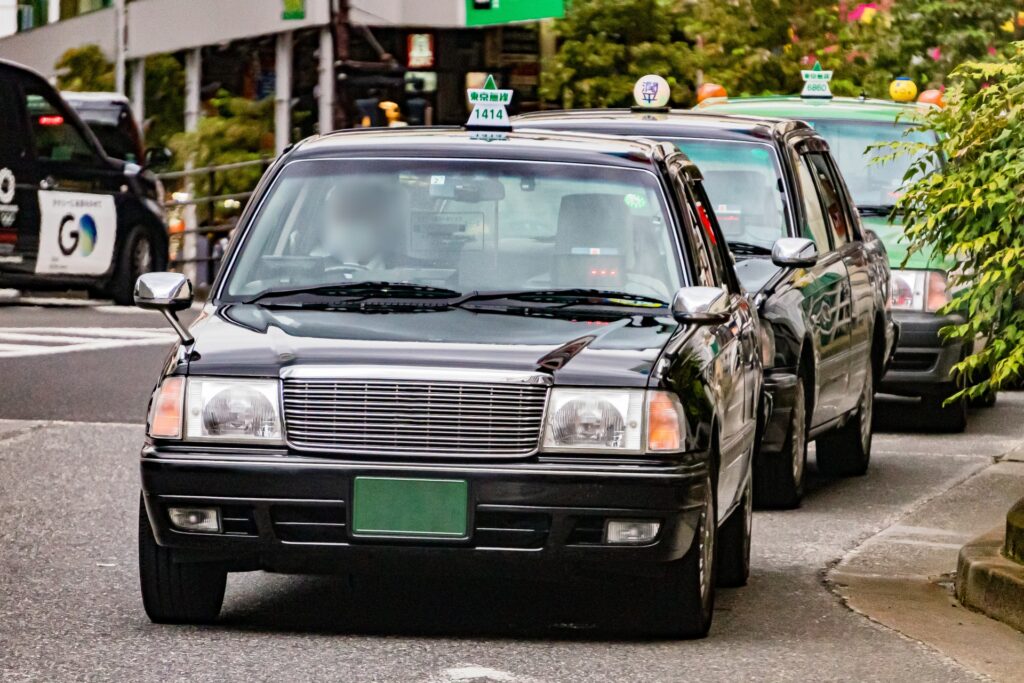
While public transport is excellent, renting a car can be a great option in certain areas.
Best regions for driving:
- Hokkaido
- Rural Japan
- Countryside destinations
👍 Pros
- Maximum flexibility
- Access to hidden spots
- Ideal for road trips
👎 Cons
- Driving on the left side
- Parking costs
- Not needed in major cities
⚖️ 6. Quick Comparison: What Should You Use?
| Situation | Best Option |
|---|---|
| Long-distance travel | Shinkansen |
| City travel | IC card + trains |
| Budget travel | Buses |
| Rural exploration | Car rental |
🧠 7. Simple Travel Strategy for First-Time Visitors
If you’re visiting Japan for the first time, keep it simple:
- Use trains for most travel
- Get an IC card on arrival
- Consider JR Pass only if needed
- Use buses when trains aren’t available
👉 You don’t need to overcomplicate it.
Not sure which trains to take or how to plan your route across cities? We’ll create a personalized itinerary based on your travel style and schedule.
Japan’s transportation system may look complex at first—but once you understand the basics, it becomes incredibly easy to use.
Trains will get you almost everywhere.
IC cards will simplify your daily travel.
And buses and cars fill in the gaps.
The key is not choosing just one option—but using the right combination for your trip.
Because in Japan, getting around isn’t just part of the journey.
It’s part of the experience. 🚄

Create Your Own Travel Booking With Us
We specialize in crafting unforgettable journeys across Japan. Whether you’re a solo traveler, couple, or family, our expert planners, multilingual guides, and customer care team ensure your adventure is seamless and unique — from first click to final destination.
Create your travel booking website with us — and let your story unfold in Japan.