
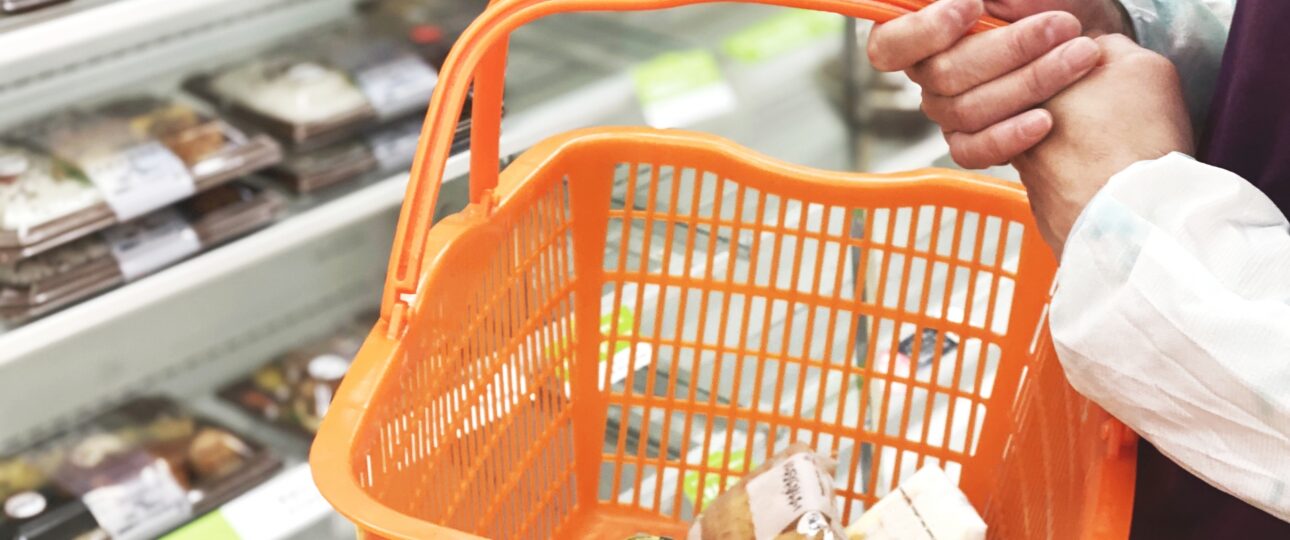
Japanese supermarkets are usually the better choice for fresh food, ordinary groceries and ready-made meals. Don Quijote is usually more convenient for souvenirs, large snack selections, mixed shopping lists and late-night purchases. The cheaper option depends on the exact product, package size, branch and current promotion.
Choose a supermarket for fruit, vegetables, dairy products, meat, everyday drinks, normal groceries and prepared meals. Choose Donki when you want snacks, souvenirs, cosmetics, travel supplies and other categories in one stop—especially outside normal shopping hours. Neither store type is guaranteed to be cheaper for every packaged product.
Donki vs Supermarket Japan: Category Comparison
| Shopping category | Usually the better starting point | Why | What to compare |
|---|---|---|---|
| Fresh fruit and vegetables | Supermarket | Normal grocery selection and products intended for local household shopping | Quantity, origin, ripeness and whether you can consume it during the trip |
| Meat, dairy and refrigerated food | Supermarket | Broader ordinary grocery range and more practical meal ingredients | Storage, hotel refrigerator and cooking facilities |
| Bento, sushi and prepared meals | Supermarket | Often a wider meal-focused range than a tourist-oriented discount store | Freshness, allergens, heating instructions and eating time |
| Ordinary drinks and individual snacks | Compare locally | Both can be competitive; the nearest store may be the practical winner | Exact volume, flavor, quantity and current shelf price |
| Large snack selection and multipacks | Donki | Broad range, tourist-oriented products and multi-category browsing | Price per piece, package weight and suitcase space |
| Souvenirs and character goods | Donki | More gift, novelty and tourist-shopping categories in one location | Whether the product is actually local or simply tourist packaging |
| Cosmetics and medicine | Compare a drugstore | Drugstores may offer different branded-product promotions and specialist support | Exact version, volume, ingredients, dosage and refill type |
| Mixed late-night shopping list | Donki | Long hours and snacks, beauty, souvenirs and travel items under one roof | Whether convenience justifies a possible price difference |
The table is a shopping strategy, not a promise that every store follows the same price pattern. Donki and supermarket prices can change by branch, city, promotion, package size and date.
What Is Usually Better at a Japanese Supermarket?
Fresh and refrigerated food
A supermarket is normally the first place to compare fresh fruit, vegetables, meat, fish, eggs, dairy products and other everyday groceries. These categories are central to supermarket shopping rather than an additional section inside a discount store.
Meals for a hotel evening
Supermarkets commonly carry bento, sushi, side dishes, salads, noodles and other prepared foods. They are useful when you want a quieter meal at the hotel or have access to a kitchenette.
Some supermarkets apply time-based markdowns to selected prepared or perishable food, but the timing, products and remaining stock vary. Do not delay dinner or travel across the city based on an assumed discount.
What Is Usually Better at Don Quijote?
One-stop tourist shopping
Donki is useful when one basket includes snacks, souvenirs, skincare, toiletries, stationery and travel supplies. The main saving may be time rather than the lowest price for every individual product.
Late opening hours and broad selection
Many Donki branches stay open later than ordinary supermarkets, while selected branches operate 24 hours. Opening hours vary, so confirm the specific store before making a late journey.
Donki is especially convenient for individually wrapped snack gifts, candy, small souvenirs and categories designed for international visitors. Use Jatravi’s guide to what tourists should buy at Don Quijote for a product-by-product shortlist.
Convenience does not make every yellow promotional sign the cheapest offer in Japan. Compare the exact product, barcode, weight, volume and number of pieces before buying several units.
Is Donki or a Supermarket Cheaper for Japanese Snacks?
There is no universal winner. A supermarket may be competitive for normal-size everyday snacks and drinks, while Donki may offer a wider choice of multipacks, unusual flavors, gift packaging and promotional bundles.
- Buying one snack for today: choose the convenient store with a reasonable price.
- Buying several gifts: compare Donki multipacks and individually wrapped products.
- Buying an ordinary branded snack: compare the same weight and flavor at both stores.
- Buying a large box: calculate the price per piece and check luggage space.
- Buying food to take overseas: check ingredients and destination-country import restrictions.
For category ideas rather than price comparison, see the best snacks to buy at Don Quijote.
Which Is Better for Prepared Meals and Daily Groceries?
A supermarket is usually the better starting point for a full meal or several days of normal groceries. It is more likely to offer the combination of rice, vegetables, protein, fruit, dairy products and prepared side dishes needed for everyday eating.
Donki can still be useful when it is the nearest late-night option or when you want food together with toiletries and travel supplies. However, a tourist-heavy Donki branch should not automatically replace a supermarket when your main purpose is ordinary food shopping.
Does Tax-Free Shopping Make Donki Cheaper?
Not automatically. A tax refund can reduce the final cost of an eligible Donki purchase, but another shop may still have a lower original price. Not every supermarket offers the same visitor tax-free facilities, and eligibility depends on the customer, store, products and transaction.
For purchases from November 1, 2026, Japan uses a refund-based visitor tax-free system. Eligible shoppers pay the tax-inclusive price first, complete customs confirmation when leaving Japan and then receive the refund through the retailer’s registered method. Consumable goods claimed through the procedure must not be consumed in Japan.
Before using the calculation in a price comparison, read the updated Don Quijote tax-free and airport refund guide.
A Simple Shopping Strategy for Tourists
Buy fresh groceries, breakfast items, fruit and prepared meals near your hotel.
Combine souvenirs, snacks, beauty items and travel supplies in one planned visit.
Check drugstores or specialist retailers before buying several cosmetics, medicines or electronics.
- Write separate lists for food, gifts and personal shopping.
- Compare identical products, not similar-looking packages.
- Use grams, milliliters and number of pieces to compare unit value.
- Include transport time and luggage weight in the real cost.
- Check expiry dates, allergens and storage requirements.
- Keep receipts and inspect products before leaving the store.
- Stop when your list is complete; an unplanned purchase is not a saving.
For the wider price question, read Is Don Quijote cheap in Japan? The current page is intentionally limited to the supermarket comparison so the two guides do not compete for the same search intent.
More Don Quijote Shopping Guides
Tell Jatravi your travel dates, cities, group size, interests and preferred pace. We can prepare a custom Japan itinerary proposal with realistic shopping time, food experiences, transport and local activities. The form is a free trip enquiry, not an instant tour purchase.
Send a Free Trip EnquiryFrequently Asked Questions
Is Donki or a supermarket cheaper in Japan?
Supermarkets are usually the better starting point for fresh food, ordinary groceries and prepared meals. Donki may offer useful value on snacks, souvenirs, multipacks and promotional products, but there is no universal price winner.
Are Japanese supermarkets cheaper for snacks?
They can be cheaper for ordinary-size everyday snacks, while Donki may have more multipacks, flavors and promotions. Compare the same product, weight and quantity.
Is Donki good for grocery shopping?
Donki can be convenient for packaged food and a mixed late-night shopping list. A supermarket is usually more suitable when fresh food and normal daily groceries are the main purpose.
Which store is better for Japanese souvenirs?
Donki is generally more convenient for souvenirs because it combines snacks, candy, stationery, character goods, cosmetics and novelty products in one location.
Are supermarket bento meals cheaper than Donki?
Supermarkets are usually the better place to compare bento and prepared meals, but prices, portions and stock vary by store and time. Compare freshness and quantity as well as price.
Does Donki tax-free shopping make it cheaper than a supermarket?
Not necessarily. A tax refund may reduce the final cost for an eligible purchase, but another store may still have a lower shelf price. Compare the price before tax-free processing.
Should tourists visit both Donki and a supermarket?
Yes, when both fit the itinerary. Use a nearby supermarket for food and ordinary groceries, then use one planned Donki visit for souvenirs, snacks and other shopping categories.
Prices, promotions, stock, opening hours and tax-free participation vary by branch and date. Compare the current shelf label, exact package size and applicable purchase conditions before paying.

[…] a more focused comparison, read Donki versus Japanese supermarkets and Donki versus convenience […]