One of the first questions many people ask about sumo is:
“How do sumo wrestlers get so big?”
It’s easy to assume the answer is simply “they eat a lot.” While they do consume large meals, there’s much more to the story.
Professional sumo wrestlers follow carefully planned diets combined with intense daily training. Their goal isn’t just to gain weight—it’s to build strength, endurance, and stability while maintaining the physical power needed to compete at the highest level.
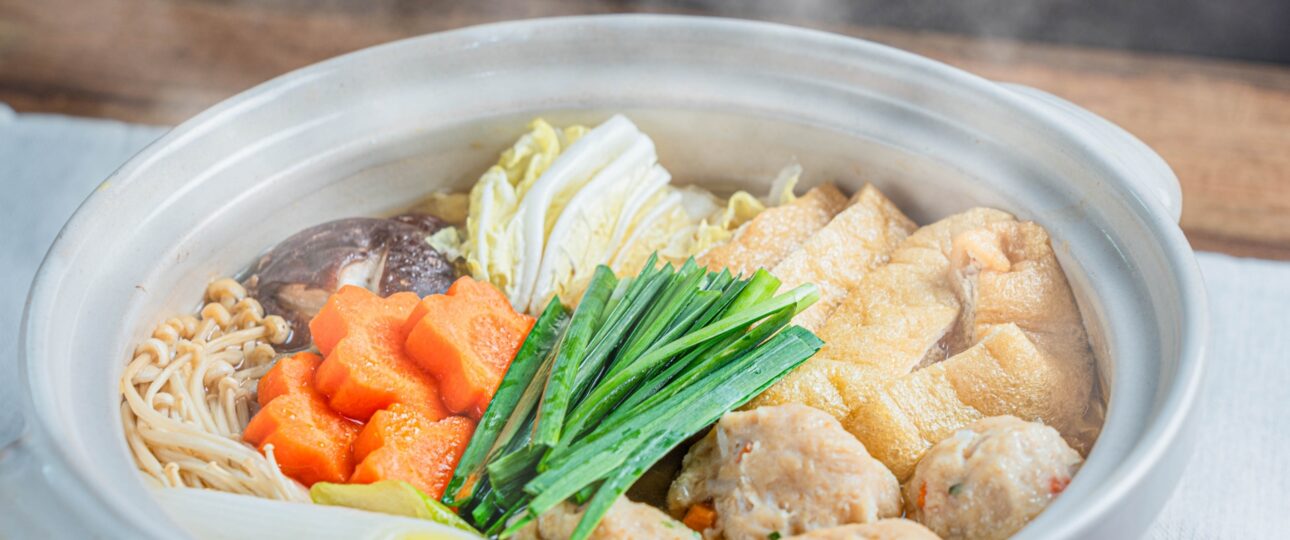
At the heart of their diet is one of Japan’s most famous hot pots: chanko nabe.
What Is Chanko Nabe?
Chanko nabe is a hearty Japanese hot pot that has become closely associated with the world of sumo.
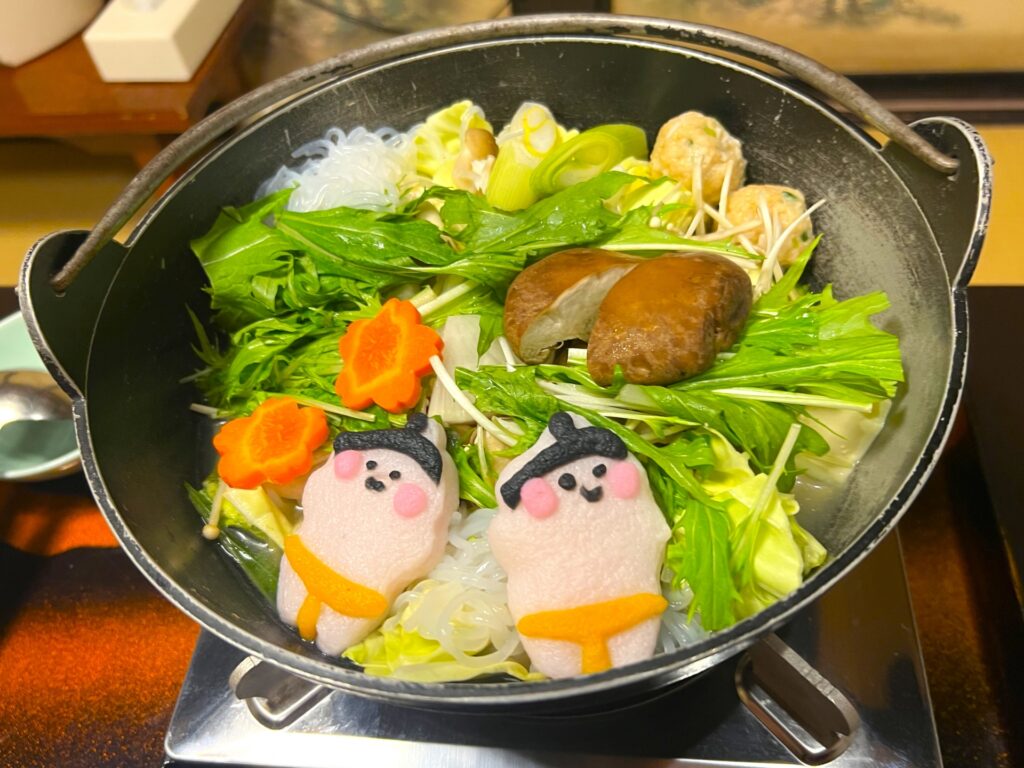
The dish is typically prepared with a rich broth and filled with nutritious ingredients such as:
- Chicken
- Fish or seafood
- Pork or beef
- Tofu
- Chinese cabbage
- Mushrooms
- Carrots
- Daikon radish
- Green onions
- Other seasonal vegetables
Unlike many heavy comfort foods, chanko nabe is surprisingly balanced. It provides large amounts of protein, vitamins, and minerals while allowing wrestlers to consume enough calories to support their demanding training.
Every sumo stable has its own recipe, and many take great pride in their unique flavor.
Why Do Sumo Wrestlers Eat So Much?
A professional sumo wrestler may consume 6,000 to 8,000 calories a day, with some athletes eating even more during intensive training periods.
However, the high calorie intake isn’t random.
Their diet is carefully designed to:
- Build muscle and strength
- Increase body mass for greater stability
- Support recovery after hours of intense training
- Maintain energy throughout the day
Weight alone isn’t enough to succeed in sumo. Strength, technique, balance, and flexibility are equally important.
How Many Meals Do They Eat?
Surprisingly, most professional sumo wrestlers don’t eat throughout the day.
Instead, many follow a routine similar to this:
Morning
Training begins early, often lasting several hours. Wrestlers typically train on an empty stomach.
Late Morning or Lunch
After practice, they eat a large meal centered around chanko nabe, accompanied by bowls of rice and other side dishes.
Afternoon
Following lunch, wrestlers often rest or take a nap, allowing their bodies to recover and efficiently store energy.
Evening
A second large meal is served before the day ends.
This routine has been followed in sumo stables for generations.
Is Chanko Nabe Healthy?
Despite its reputation as “sumo food,” chanko nabe is actually considered a nutritious meal.
Because it’s packed with vegetables, lean protein, and broth, it’s often enjoyed by families across Japan, especially during the colder months.
The difference isn’t necessarily the recipe—it’s the quantity.
While a typical family might enjoy one bowl for dinner, sumo wrestlers may eat several large servings along with generous portions of rice and other dishes.
Can Visitors Try Chanko Nabe?
Absolutely!
Today, many former sumo wrestlers have opened chanko nabe restaurants, particularly in Ryogoku, Tokyo’s famous sumo district.
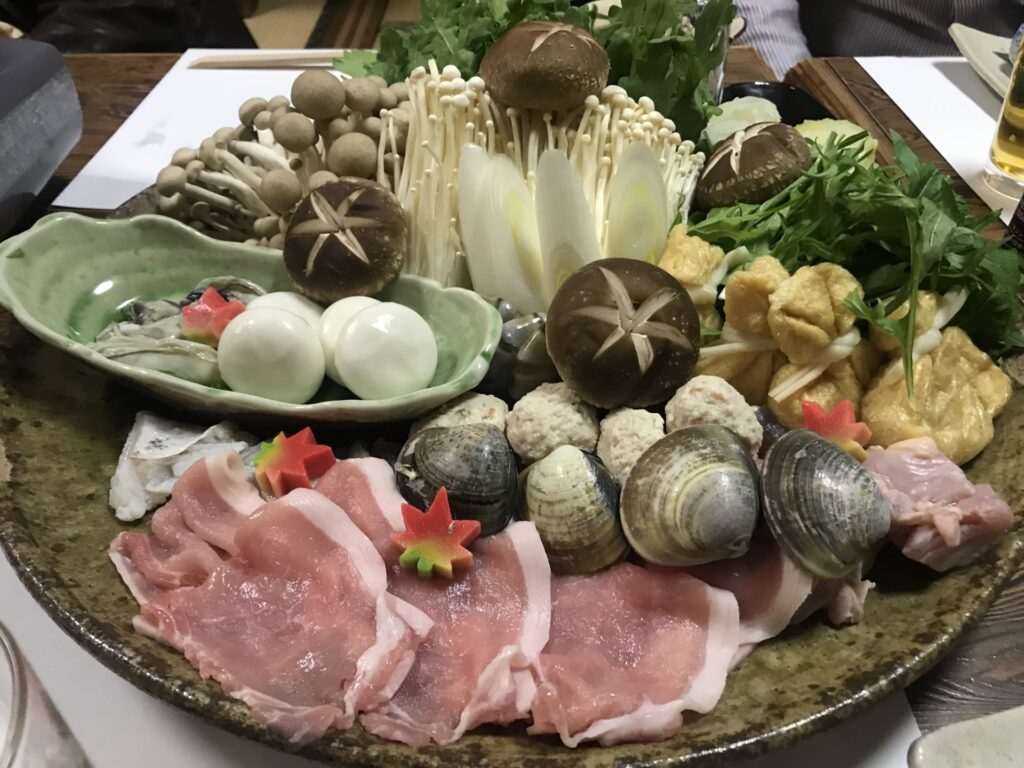
Dining at one of these restaurants is a wonderful way to experience a part of sumo culture, even if you’re not visiting during tournament season.
Many restaurants display photos, trophies, and memorabilia from the owners’ wrestling careers, giving visitors a glimpse into the world of professional sumo while enjoying an authentic meal.
More Than Just Food
For sumo wrestlers, meals are about more than nutrition.
Cooking, eating, and cleaning are often shared responsibilities within a sumo stable, helping younger wrestlers learn discipline, teamwork, and respect for senior members.
These daily routines are an important part of life inside the stable and reflect the traditions that continue to shape the sport today.
The impressive size of sumo wrestlers isn’t simply the result of eating enormous amounts of food.
It’s the combination of disciplined training, carefully planned nutrition, and a lifestyle built around centuries-old traditions.
Whether you’re attending a Grand Sumo Tournament or simply exploring Tokyo, trying a bowl of authentic chanko nabe is a delicious way to connect with one of Japan’s most fascinating cultural traditions.
If you’re curious about experiencing sumo beyond the arena, enjoying a traditional chanko meal is an excellent place to start.

Create Your Own Travel Booking With Us
We specialize in crafting unforgettable journeys across Japan. Whether you’re a solo traveler, couple, or family, our expert planners, multilingual guides, and customer care team ensure your adventure is seamless and unique — from first click to final destination.
Create your travel booking website with us — and let your story unfold in Japan.