When travelers think about Japan, they often imagine cherry blossoms, temples, sushi, and modern cities. However, Japan is also home to many traditional experiences that have survived for centuries.
Among them, sumo is one of the most unique cultural experiences you can enjoy during your trip to Japan.
Watching a sumo tournament is not simply watching a sport. It is an opportunity to experience Japanese history, rituals, discipline, and traditions that continue to exist today.
For first-time visitors, the atmosphere inside a sumo stadium can be unforgettable. The sound of the crowd, the ceremonial movements before each match, and the excitement when two wrestlers face each other create an experience that cannot be fully understood through videos or photos.
In this guide, we will introduce everything you need to know before watching sumo in Japan, including what sumo is, how tournaments work, where to watch, and tips for making the most of your experience.
What Is Sumo? A Japanese Tradition with Over 1,500 Years of History
Sumo is one of Japan’s oldest traditional sports, with roots dating back more than 1,500 years.
Although today it is known as a professional sport, sumo originally developed from ancient rituals connected with Shinto beliefs. In the past, wrestling ceremonies were performed to pray for good harvests and show respect to the gods.
Many traditional elements remain today.
Before each match, wrestlers perform rituals such as:
- Stomping their feet to drive away evil spirits
- Throwing salt into the ring to purify the space
- Performing powerful movements to show strength and preparation
These ceremonies are an important part of the experience and show that sumo is much more than a competition.
For visitors, these traditions offer a unique opportunity to see how Japan’s history continues to live in modern society.
Why Watching Sumo Is Different from Other Sports
At first glance, sumo may look simple: two wrestlers trying to push each other out of a circular ring.
However, professional sumo requires incredible skill, balance, strategy, and mental strength.
Sumo wrestlers, known as rikishi, spend years training at sumo stables where they follow strict routines and dedicate their lives to improving their techniques.
A match may last only a few seconds, but the preparation before the match creates incredible excitement.
The silence before the clash, the traditional movements, and the reaction of the audience make every moment feel special.
This is why many travelers describe watching sumo in person as a cultural experience rather than just a sporting event.
What Happens During a Sumo Tournament?
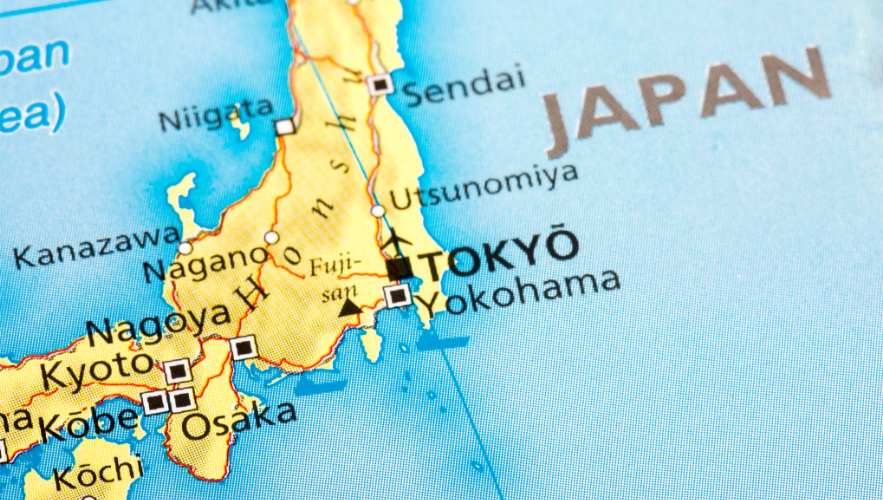
Professional sumo tournaments are called basho, and they are held six times each year in different cities across Japan.
The tournament schedule includes:
- January – Tokyo
- March – Osaka
- May – Tokyo
- July – Nagoya
- September – Tokyo
- November – Fukuoka
The most famous venue is Ryogoku Kokugikan in Tokyo, known as the home of Japanese sumo.
A tournament day usually begins with lower-ranked wrestlers competing. As the day continues, higher-ranked wrestlers enter the ring, creating a more exciting atmosphere.
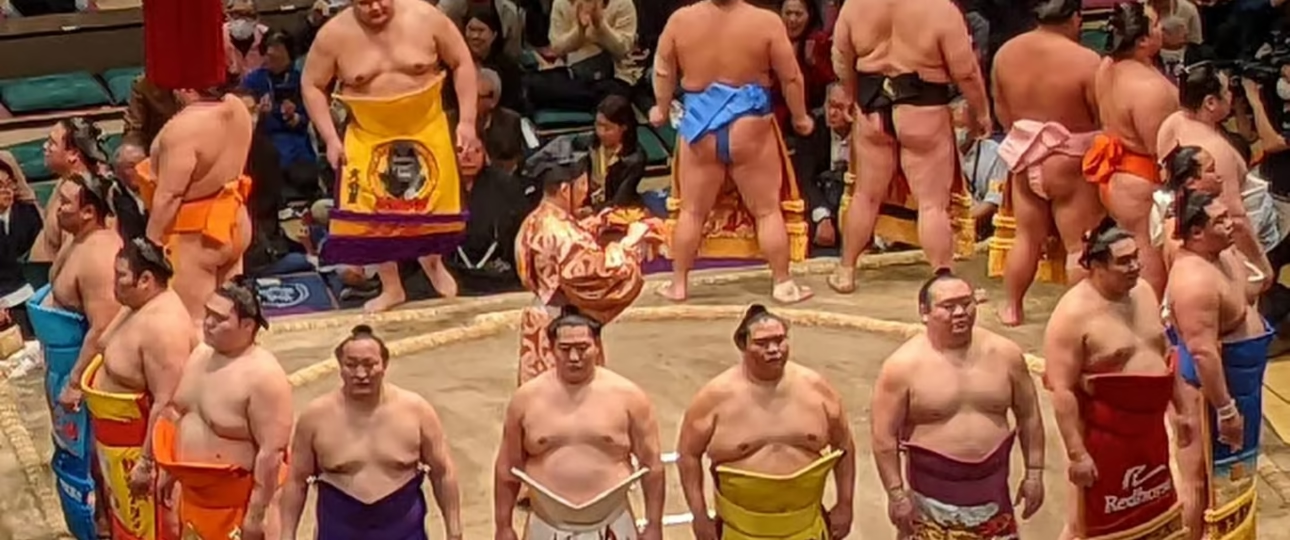
One of the highlights is the dohyō-iri, the ceremonial entrance of top-ranked wrestlers.
During this ceremony, wrestlers enter wearing beautiful traditional aprons called kesho-mawashi, each featuring unique designs and meanings.
For first-time visitors, seeing this ceremony is often one of the most memorable moments of the day.
Where Can You Watch Sumo in Japan?
The best place to experience professional sumo depends on your travel schedule.
Tokyo: Ryogoku Kokugikan
For many visitors, watching sumo in Tokyo is the ultimate experience.
Located in Ryogoku, an area famous for its connection to sumo culture, Ryogoku Kokugikan offers visitors the chance to experience the atmosphere of Japan’s national sport in its most iconic setting.
Other Tournament Cities
If you are traveling outside Tokyo, you can also experience tournaments in:
- Osaka
- Nagoya
- Fukuoka
Each city offers a different travel experience and allows visitors to combine sumo with local food, sightseeing, and culture.
How to Enjoy Your First Sumo Experience
Before attending a tournament, there are a few things first-time visitors should know.
Arrive Early
Although the most famous matches happen later in the day, arriving earlier allows you to enjoy the full atmosphere.
You can explore the venue, purchase souvenirs, try Japanese snacks, and watch different levels of matches.
Learn the Basic Etiquette
Visitors do not need to know every rule, but respecting the atmosphere will make the experience better.
Remember:
- Avoid blocking other spectators’ views
- Keep conversations quiet during matches
- Follow venue instructions
Take Time to Appreciate the Tradition
The beauty of sumo is not only in the final match.
The ceremonies, clothing, movements, and atmosphere all tell the story of Japanese culture.
Why a Guided Sumo Experience Can Be Worth It
For international travelers, attending a sumo tournament for the first time can feel confusing.
Questions often include:
- How do I buy tickets?
- Which seats are best?
- What is happening during the ceremony?
- What should I expect at the venue?
A guided experience helps visitors enjoy the event without worrying about complicated details.
Instead of spending your limited vacation time researching schedules and rules, you can focus on enjoying the atmosphere and creating unforgettable memories.
A knowledgeable guide can also help explain the history and traditions behind each part of the tournament, making the experience much more meaningful.
FAQ
What is the best month to watch sumo in Japan?
Professional sumo tournaments are held six times a year. Tokyo hosts tournaments in January, May, and September, while Osaka, Nagoya, and Fukuoka host tournaments in March, July, and November respectively.
Each season offers a different travel experience, so the best time depends on your Japan itinerary.
Where is the best place to watch sumo in Tokyo?
The most famous place to watch sumo in Tokyo is Ryogoku Kokugikan, the official sumo stadium located in Tokyo’s Ryogoku district.
It is considered the heart of professional sumo and offers visitors the chance to experience the atmosphere of Japan’s national sport.
How much do sumo tickets cost?
Ticket prices vary depending on the tournament, seating area, and availability.
Visitors can choose from different options, including arena seats, box seats, and chair seats.
For international travelers, booking in advance is recommended, especially during popular travel seasons.
Can I watch sumo without knowing Japanese?
Yes.
Many international visitors enjoy sumo without speaking Japanese. Learning a few basic concepts before attending can make the experience even more enjoyable, and a guided experience can help explain the traditions during the event.
Is sumo suitable for tourists visiting Japan for the first time?
Absolutely.
Sumo is one of the best cultural activities for first-time visitors because it combines history, entertainment, and Japanese tradition in one experience.
Planning a Trip to Japan?
Tell us your travel dates and interests — our Japan-based experts will craft a personalized itinerary just for you.