When most people think of Japan, they imagine cherry blossoms, sushi, Mount Fuji, and ancient temples. But there’s another cultural icon that has been part of Japanese life for over 1,500 years—sumo.
Unlike many modern sports, sumo is deeply connected to Japanese history, religion, and tradition. Every match follows rituals that have been passed down through generations, making it much more than a competition between two wrestlers.
If you’re planning a trip to Japan, understanding the basics of sumo will help you appreciate why attending a live tournament is considered one of the country’s most unique cultural experiences.
What Is Sumo?
Sumo is Japan’s national sport and one of the oldest organized sports still practiced today.
The objective is simple: force your opponent out of the circular ring (called the dohyo) or make any part of their body, other than the soles of their feet, touch the ground.

Although the rules are easy to understand, every match is filled with strategy, strength, and split-second decisions. Many bouts last less than a minute, and some are over in only a few seconds.
The Origins of Sumo
The history of sumo dates back more than 1,500 years.
Originally, sumo was performed as part of Shinto ceremonies to pray for a good harvest and express gratitude to the gods. Over time, it evolved into entertainment for the imperial court before becoming the professional sport we know today.
Even now, many traditional rituals remain unchanged, making sumo one of the best-preserved cultural traditions in Japan.
Why Are Sumo Wrestlers So Big?
One of the first things visitors notice is the size of the wrestlers.
Contrary to popular belief, they don’t simply eat enormous amounts of food.
Professional sumo wrestlers follow carefully planned training routines that include hours of daily practice, followed by large, nutritious meals—most famously chanko nabe, a protein-rich hot pot packed with meat, seafood, vegetables, and tofu.
Their body weight isn’t just about size. A heavier body provides greater stability and makes it more difficult for an opponent to push them out of the ring.
More Than Just Wrestling
What makes sumo different from many other sports is its strong emphasis on tradition.
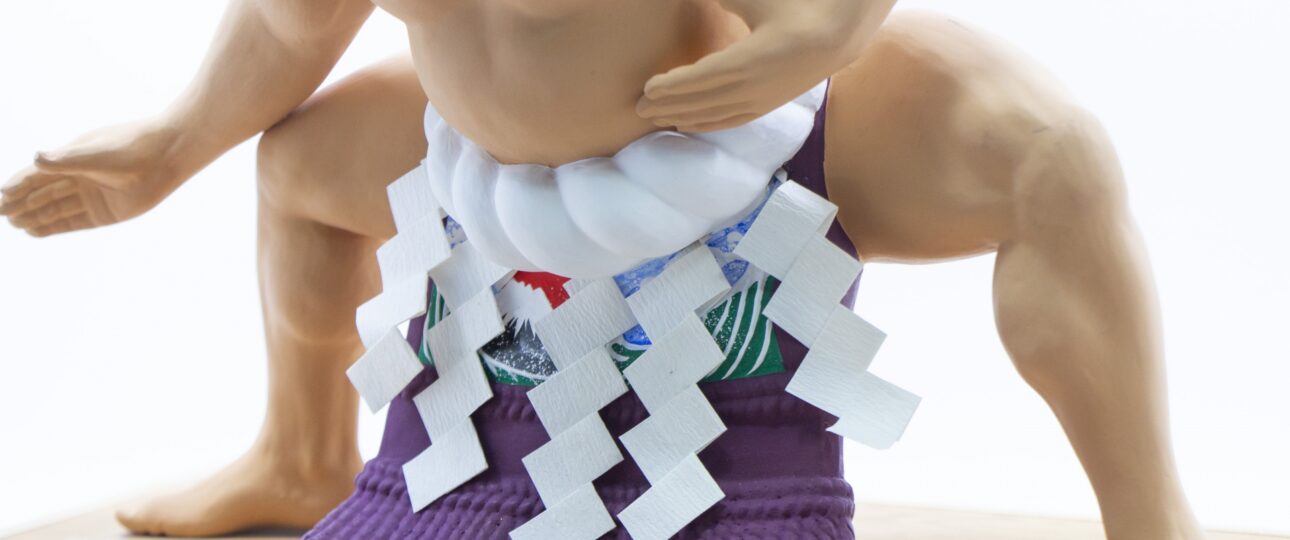
Before every match, wrestlers perform a series of ceremonial movements that symbolize respect, purification, and readiness. The ring itself is considered sacred, reflecting the sport’s close relationship with Shinto beliefs.
From the referee’s traditional attire to the wrestlers’ hairstyles and ceremonial entrances, nearly every aspect of sumo has cultural significance.
For many visitors, these rituals are just as fascinating as the matches themselves.
Why Is Sumo Worth Watching?
Even if you don’t usually watch sports, sumo offers a completely different experience.
A live tournament combines athletic competition with centuries-old traditions, creating an atmosphere unlike any other sporting event in the world.
You’ll witness:
- Powerful matches that can end in just seconds
- Ancient rituals performed before each bout
- Thousands of passionate fans cheering for their favorite wrestlers
- A uniquely Japanese cultural tradition that has survived for centuries
Whether you’re a history enthusiast, a culture lover, or simply looking for an unforgettable experience during your trip, sumo offers something truly special.
Sumo is far more than a wrestling match. It is a living tradition that reflects Japan’s history, spirituality, discipline, and respect for ritual.
Learning about its origins is the perfect first step before experiencing a tournament in person.
In our next guide, we’ll explore the fascinating traditions behind every match—including why wrestlers throw salt into the ring, what the elaborate entrance ceremonies mean, and why the dohyo is considered sacred.

Create Your Own Travel Booking With Us
We specialize in crafting unforgettable journeys across Japan. Whether you’re a solo traveler, couple, or family, our expert planners, multilingual guides, and customer care team ensure your adventure is seamless and unique — from first click to final destination.
Create your travel booking website with us — and let your story unfold in Japan.