Where Japan’s Early History Still Feels Intact
Nara is often introduced through its most famous monuments, yet Japan’s early history did not unfold only in grand temples or imperial complexes.
Much of it happened quietly—in villages, valleys, burial grounds, and administrative sites that were never meant to impress. These places remain scattered across Nara, largely unchanged, and often overlooked.
This ranking highlights ten historical sites that preserve continuity rather than fame, offering travelers a chance to encounter Japan’s past without mediation.
1. Asuka’s Ancient Capital Ruins
History Before Architecture Took Shape
Before Nara city existed, Asuka served as Japan’s political and cultural center.
Rather than monumental ruins, what remains are foundations, stone markers, and subtle traces of governance. This absence of grandeur is precisely what makes Asuka powerful—it reveals a period when Japan was still defining what a state could be.
📍 Area: Asuka
2. Isonokami Shrine Grounds
Faith, Power, and the Birth of Authority
One of Japan’s oldest Shinto sites, Isonokami functioned as both a spiritual and political center.
Its importance lies not in buildings, but in lineage and continuity. Ritual objects, myths, and clan history intersect here, offering insight into how belief and authority merged in early Japan.
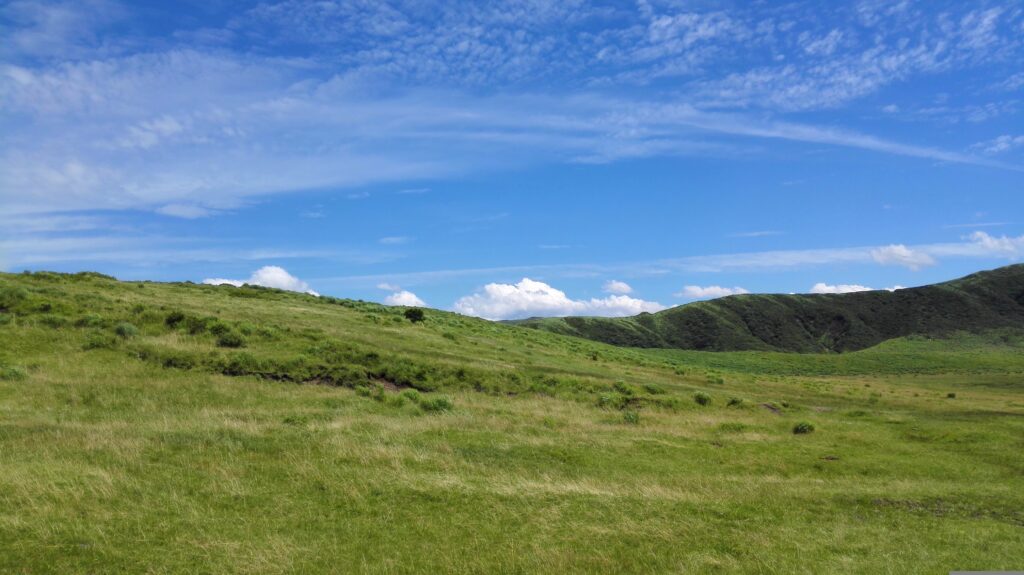
Want to experience these incredible autumn landscapes in person? Our curated Japan autumn tours combine breathtaking nature, cultural experiences, and comfortable travel planning so you can fully enjoy the beauty of the season.
3. Fujiwara Palace Site
The Capital That Left Almost Nothing Behind
Once the heart of imperial rule, Fujiwara Palace now appears as open land.
Yet beneath the surface lies the blueprint for Japan’s first true capital system. Standing here, visitors confront the reality that power does not always leave visible traces—and that history can persist without structures.
4. Ancient Kofun Burial Mounds
Monuments Meant to Be Silent
Scattered across Nara are burial mounds dating back over 1,500 years.
Unlike famous tombs, many local kofun remain unmarked and inaccessible, protected by silence rather than signage. They remind us that early Japan honored the dead through presence, not explanation.

5. Sakurai’s Historical Corridor
Movement Through Time
The Sakurai area connects multiple early political and religious sites through natural routes.
Traveling this corridor reveals how geography shaped governance. Power moved along paths dictated by land, not design—a concept often lost in later urban planning.
6. Rural Temple Ruins
Faith Without Continuity
Not all temples survived.
Across Nara’s countryside are ruins of religious sites that disappeared as communities shifted. These remains tell a quieter story of impermanence, reminding visitors that spiritual centers once rose and fell with local populations.

If you’re planning to experience Japan’s autumn scenery without the stress of organizing transportation and accommodations, joining a guided seasonal tour can be a great option. Our carefully designed autumn tours include some of Japan’s most beautiful fall destinations, allowing you to enjoy the scenery at the best time of the season.
7. Old Administrative District Traces
The Machinery Behind the Myths
Beyond emperors and legends were systems—taxation, land division, and record keeping.
Subtle remnants of administrative districts remain in field patterns and road alignments. Observing them requires attention, but rewards curiosity with a deeper understanding of how early Japan functioned.
8. Mountain Pass Settlements
Strategic Yet Invisible
Certain mountain passes in Nara were vital for communication and defense.
Small settlements developed around these points, leaving faint but significant traces. These sites show how geography quietly dictated political stability.
9. Ancient Water Management Systems
Infrastructure as Historical Evidence
Irrigation channels and waterworks built centuries ago still influence modern landscapes.
These systems reveal early engineering knowledge and collective labor, offering insight into how survival shaped social organization.
10. Villages That Never Became Attractions
History That Was Never Rewritten
Some villages simply continued.
They were never preserved, restored, or promoted. Their layouts, land use, and rhythms evolved gradually, retaining layers of history without interruption.
For travelers, these places offer the rare chance to witness history without narrative framing.
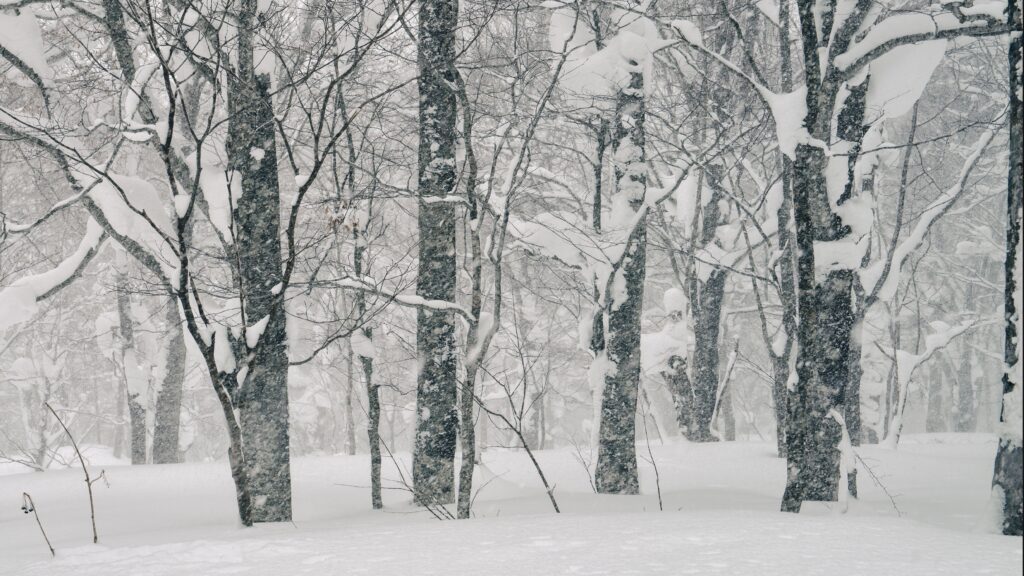
Many of Japan’s most beautiful autumn locations are hidden in the mountains and can be difficult to reach by public transportation. Our guided autumn tours are designed to take travelers beyond the typical tourist routes and into some of Japan’s most spectacular seasonal landscapes.
Why These Sites Matter
These locations challenge the idea that history must be visible to be meaningful.
In Nara, early Japan survives not through monuments alone, but through land use, absence, and continuity. These sites ask visitors to observe carefully, move slowly, and accept that not all history announces itself.
For those willing to look beyond the obvious, Nara offers an experience that feels remarkably intact.

Create Your Own Travel Booking With Us
We specialize in crafting unforgettable journeys across Japan. Whether you’re a solo traveler, couple, or family, our expert planners, multilingual guides, and customer care team ensure your adventure is seamless and unique — from first click to final destination.
Create your travel booking website with us — and let your story unfold in Japan.