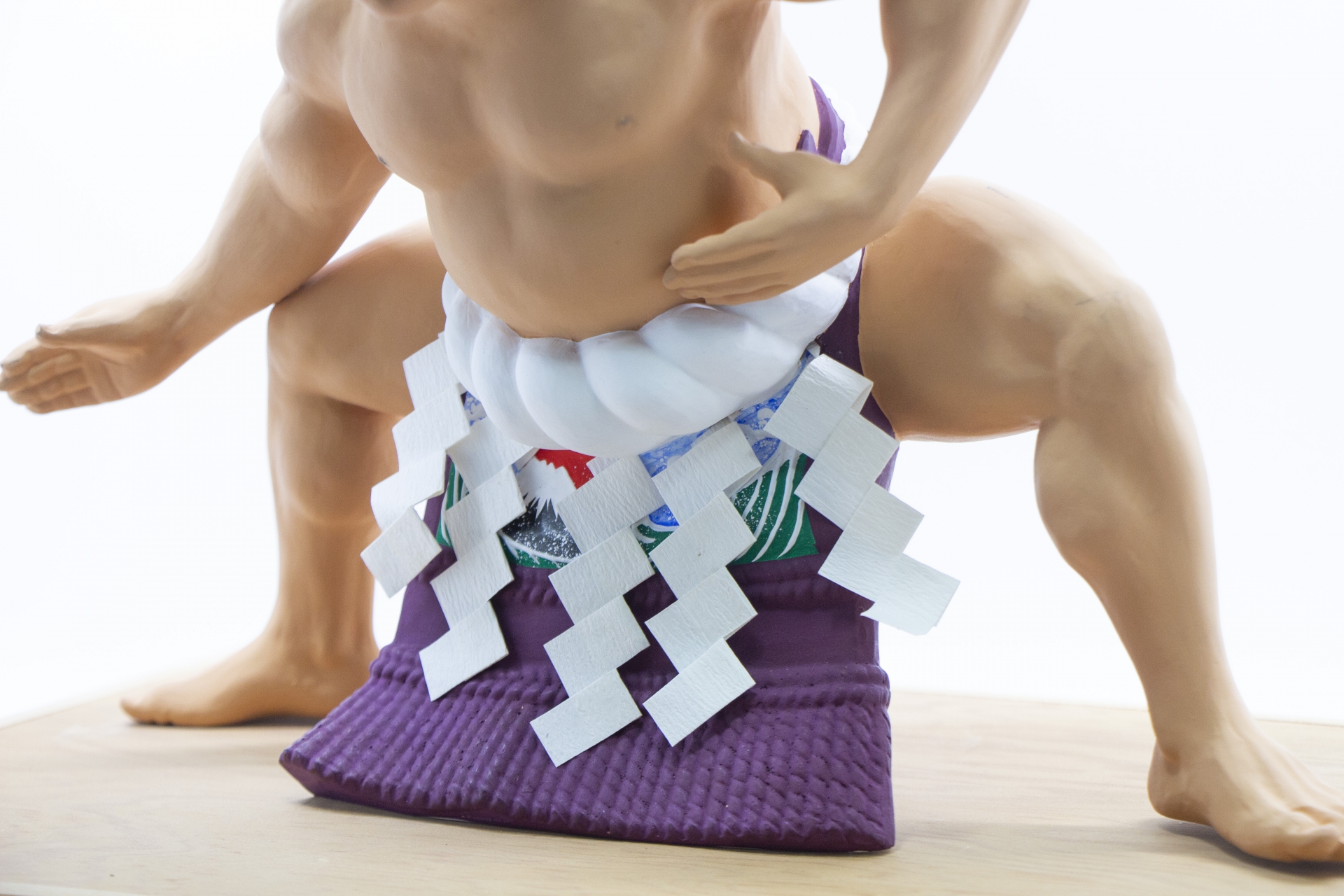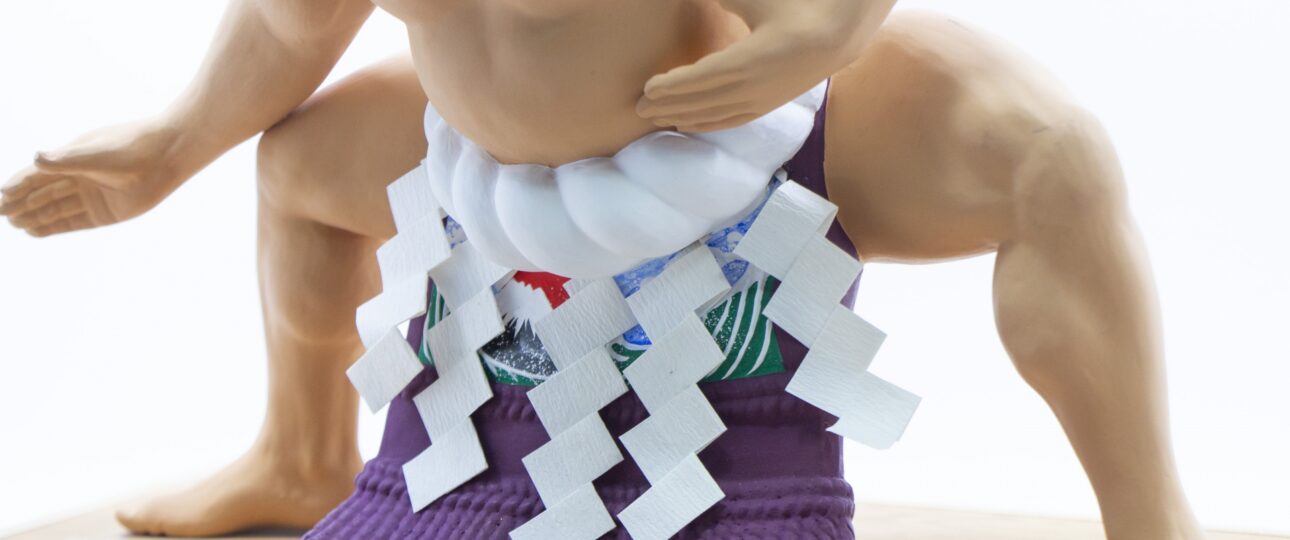
For many visitors, professional sumo wrestlers seem larger than life.
They spend years competing in Japan’s national sport, following strict traditions and living in sumo stables dedicated entirely to training.
But have you ever wondered what happens after they retire?
Unlike many professional athletes who simply announce the end of their careers, retirement in the world of sumo is marked by unique ceremonies, emotional traditions, and exciting new opportunities.
Here’s what life after sumo looks like.
Retirement Doesn’t Always Come Late
Although some famous wrestlers compete into their late 30s, many retire much earlier.
The intense physical demands of professional sumo place enormous stress on the body. Years of powerful collisions, rigorous training, and injuries often shorten a wrestler’s competitive career.
For some, retirement comes after reaching their personal goals. Others step away because of recurring injuries or declining performance.
Regardless of the reason, leaving professional sumo is one of the biggest milestones in a wrestler’s life.
The Famous Topknot-Cutting Ceremony
Perhaps the most emotional tradition in sumo is the danpatsu-shiki, or topknot-cutting ceremony.
Throughout a wrestler’s career, they wear the traditional chonmage hairstyle, one of the most recognizable symbols of professional sumo.
When they retire, family members, friends, coaches, fellow wrestlers, and supporters each take turns cutting a small portion of the topknot.
Finally, the stablemaster makes the last cut, officially marking the wrestler’s retirement.
The ceremony is often filled with emotion and celebrates years of dedication to the sport.
For many fans, attending a danpatsu-shiki is just as memorable as watching a championship match.
Becoming a Sumo Coach
Many retired wrestlers choose to remain in the world of sumo.
Those who meet the qualifications may become oyakata, or sumo elders, responsible for coaching younger wrestlers and managing a sumo stable.
Some eventually establish their own stable, where they train the next generation of athletes.
This allows traditions, techniques, and values to be passed down from one generation to the next.
Opening Chanko Nabe Restaurants
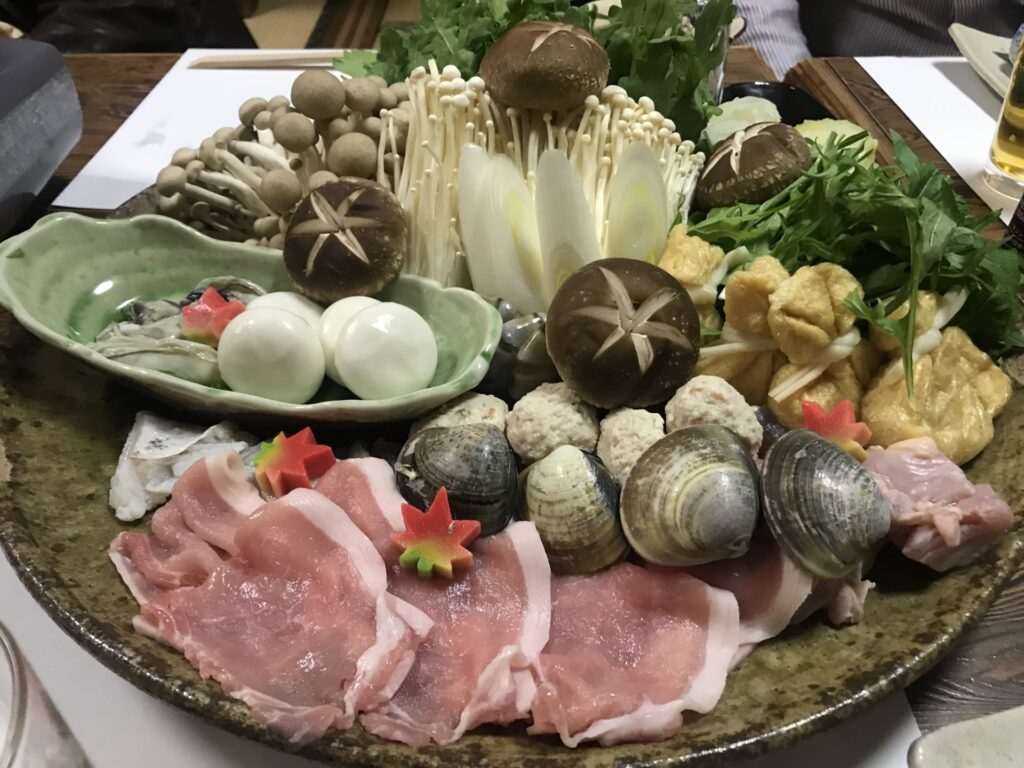
One of the most popular career paths is opening a chanko nabe restaurant.
Since wrestlers spend years preparing and eating this famous hot pot, many become excellent cooks.
Today, visitors to Japan can enjoy authentic chanko nabe at restaurants owned by former sumo wrestlers, especially in Tokyo’s Ryogoku district.
These restaurants often display photographs, trophies, and memorabilia from the owner’s career, making them popular dining destinations for both locals and tourists.
If you’re planning a trip to Japan, we’d be happy to help you create a personalized itinerary that includes unique cultural experiences like sumo.
Working in Sports and Media
Some retired wrestlers remain connected to the sport in different ways.
They may become:
- Television commentators
- Sports analysts
- Event hosts
- Coaches for amateur sumo
- Public speakers
Their experience inside the ring gives them valuable insight that fans enjoy hearing.
Starting a New Life Outside Sumo
Not every retired wrestler stays involved with the sport.
Some choose completely different careers, including business, education, farming, or entrepreneurship.
After spending much of their lives inside a sumo stable, retirement offers an opportunity to explore new interests and enjoy a different lifestyle.
For many, it’s the beginning of an exciting new chapter.
Why Retirement Is So Meaningful in Sumo
In many sports, retirement is simply the end of competition.
In sumo, it’s also a celebration of years of discipline, sacrifice, and tradition.
The retirement ceremony reminds fans that professional sumo is about more than winning matches.
It’s about dedication, respect, and preserving a cultural heritage that has lasted for centuries.
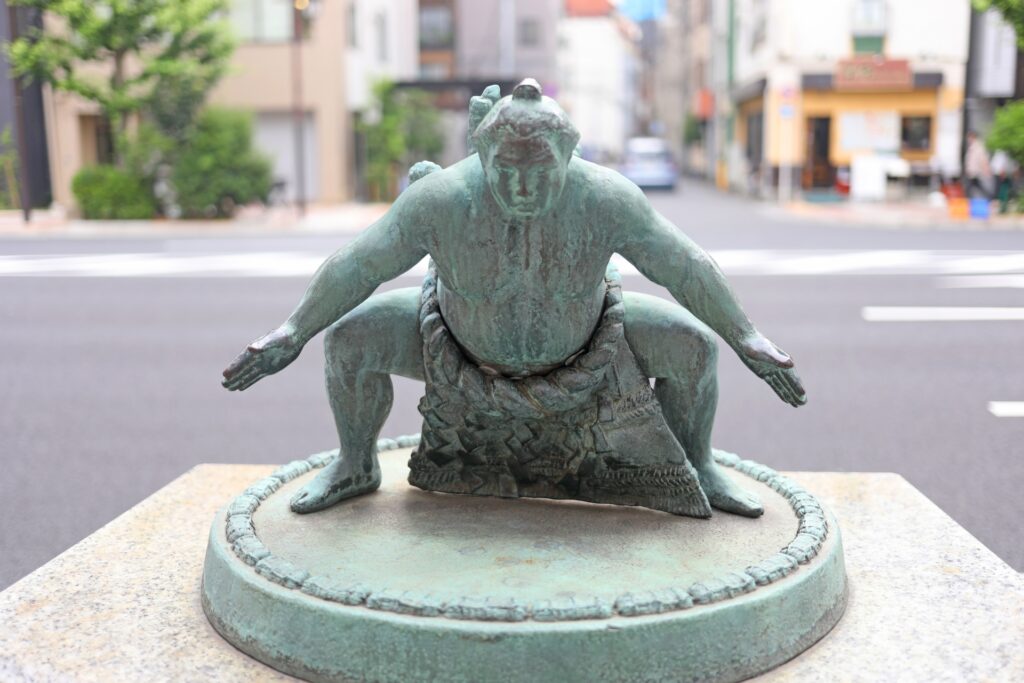
The journey of a sumo wrestler doesn’t end when they step away from competition.
Whether they become respected coaches, open beloved restaurants, or pursue entirely new careers, retired wrestlers continue contributing to Japanese society in meaningful ways.
Understanding life after retirement offers another glimpse into the rich traditions that make sumo one of Japan’s most fascinating cultural experiences.
The next time you watch a sumo tournament, remember that every wrestler is not only competing for victory but also building a legacy that may continue long after their final match.

Create Your Own Travel Booking With Us
We specialize in crafting unforgettable journeys across Japan. Whether you’re a solo traveler, couple, or family, our expert planners, multilingual guides, and customer care team ensure your adventure is seamless and unique — from first click to final destination.
Create your travel booking website with us — and let your story unfold in Japan.