
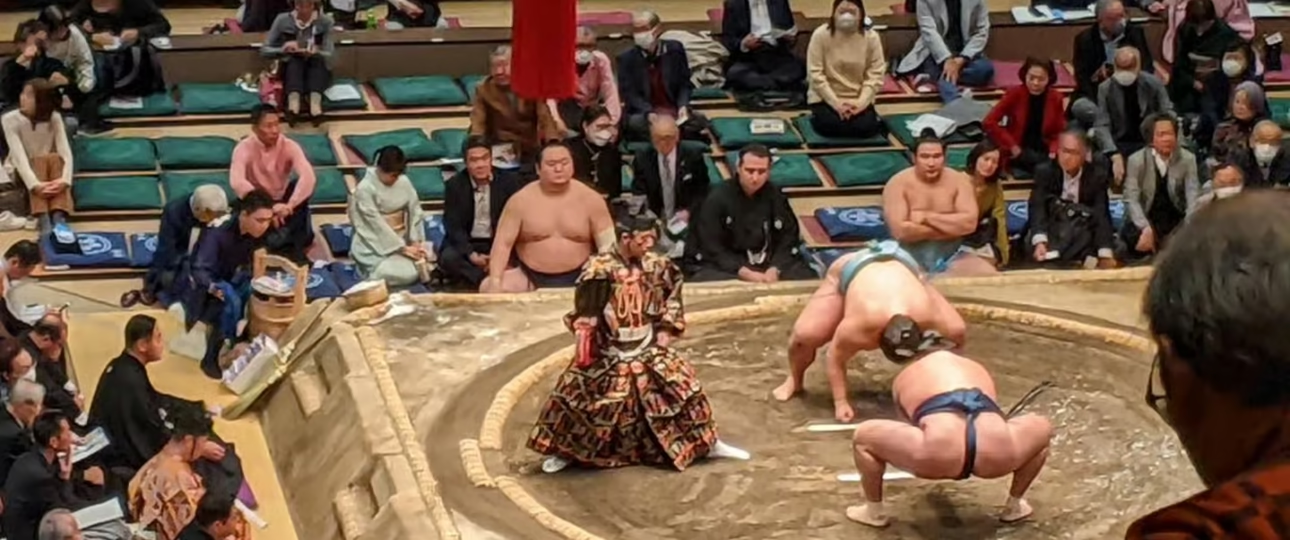
If you’ve ever watched a sumo match, you’ve probably noticed that the action doesn’t begin immediately.
Before the wrestlers even face each other, they throw salt into the ring, stomp their feet, clap their hands, and perform a series of ceremonial movements. To first-time visitors, these rituals may seem mysterious—but every one of them has a purpose.
Unlike many modern sports, sumo is deeply rooted in Shinto, Japan’s indigenous religion. Its traditions have been preserved for centuries, making every tournament as much a cultural ceremony as an athletic competition.
Here’s a closer look at some of the traditions that make sumo one of Japan’s most fascinating cultural experiences.
The Sacred Dohyo
Every sumo match takes place on a raised clay ring known as the dohyo.
Unlike a typical sports arena, the dohyo is considered sacred. Before each tournament begins, a special purification ceremony is held to bless the ring and pray for the safety of the wrestlers.
This religious connection reflects sumo’s origins as a ritual performed to pray for good harvests and honor the gods.
Why Do Wrestlers Throw Salt?
One of the most iconic moments before every bout is when wrestlers scatter handfuls of salt across the ring.
Salt has long been used in Japanese culture as a symbol of purification. In sumo, throwing salt is believed to cleanse the dohyo of impurity and prepare it for fair competition.
Some wrestlers toss only a small amount, while others throw it dramatically high into the air, often earning applause from the audience.
The Meaning Behind Shiko
Before the match begins, wrestlers repeatedly raise one leg high before stamping it forcefully onto the ground.
This movement is called shiko.
Traditionally, it is believed to drive away evil spirits while demonstrating the wrestler’s balance, flexibility, and strength.

Today, shiko remains one of the most recognizable symbols of sumo and an essential part of every wrestler’s daily training.
Why Do Sumo Wrestlers Wear Topknots?
The traditional hairstyle worn by sumo wrestlers is called the chonmage, or topknot.
Originally associated with samurai, the hairstyle has become one of the defining features of professional sumo wrestlers.
Creating and maintaining a chonmage requires specially trained hairdressers, and wrestlers wear it every day—not just during competitions.
At the end of a wrestler’s career, the topknot is ceremonially cut during a retirement event known as the danpatsu-shiki, marking the end of their life in professional sumo.
Ceremonial Aprons and Grand Entrances
Before the highest-ranked wrestlers compete, they enter the arena wearing beautifully embroidered ceremonial aprons called kesho-mawashi.
These elaborate garments are often sponsored by companies or supporters and can feature intricate designs inspired by nature, history, or Japanese art.
The entrance ceremony itself is one of the highlights of a tournament, allowing spectators to appreciate both the dignity and tradition of the sport before the competition begins.
Respect Is at the Heart of Sumo
Although many matches last less than a minute, the traditions surrounding them emphasize patience, respect, and discipline.
Wrestlers bow before entering the ring, carefully follow centuries-old customs, and show respect to both their opponents and the sport itself.
This focus on etiquette is one of the reasons why sumo is often described as more than a sport—it’s a living cultural tradition.
Watching Sumo with a New Perspective
Once you understand the meaning behind these traditions, watching a sumo tournament becomes a completely different experience.
Instead of simply waiting for the match to begin, you’ll recognize the significance of every ritual—from the purification with salt to the ceremonial entrances and respectful bows.
These traditions have survived for centuries, offering visitors a rare opportunity to witness a piece of Japan’s cultural heritage that is still practiced today.
Sumo is not only about strength and competition. It is also about preserving history, honoring tradition, and respecting rituals that have been passed down through generations.
Whether you’re a sports fan or simply interested in Japanese culture, understanding these customs will make your visit to a sumo tournament even more memorable.
In our next guide, we’ll explain how a professional sumo tournament works, including the tournament schedule, match structure, and what first-time visitors should expect when attending a live event.

Create Your Own Travel Booking With Us
We specialize in crafting unforgettable journeys across Japan. Whether you’re a solo traveler, couple, or family, our expert planners, multilingual guides, and customer care team ensure your adventure is seamless and unique — from first click to final destination.
Create your travel booking website with us — and let your story unfold in Japan.

[…] our explanation of sumo traditions, salt throwing and topknots before attending if you want to understand more of what you […]
[…] Understanding the rituals also makes the pauses easier to appreciate. Read our guide to why sumo wrestlers throw salt and perform traditional ceremonies. […]
[…] Watching Sumo Worth It? → 15 Practical Sumo Viewing Tips → Sumo Traditions Explained → Official Tournament Schedule […]