
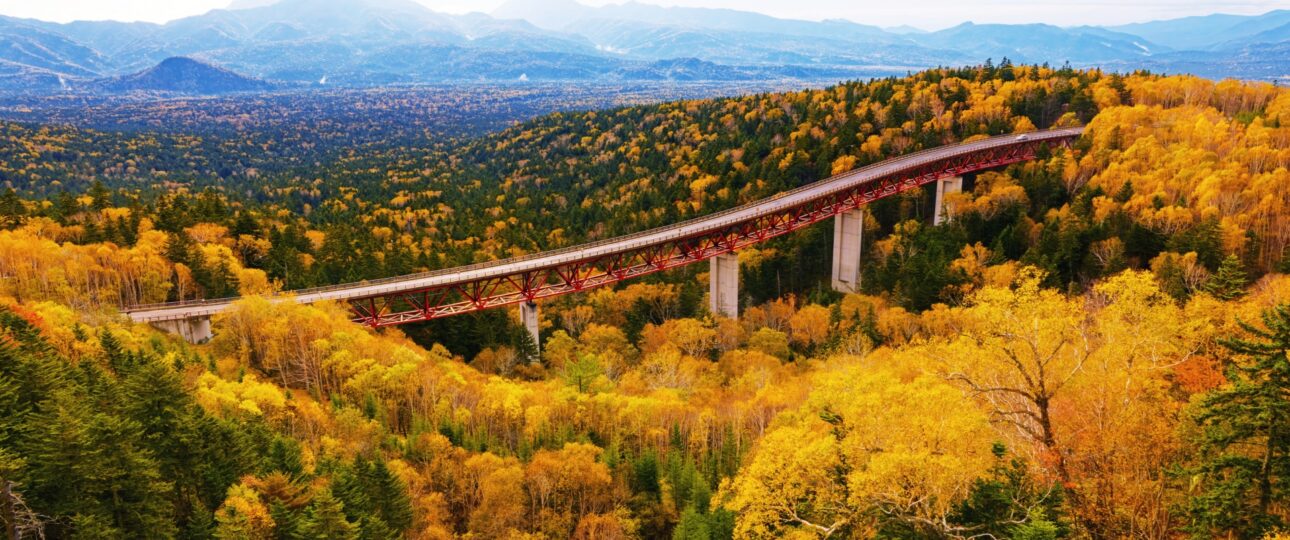
If you’re planning a trip to Japan this autumn, you’re probably wondering one thing:
When will the leaves actually change color? 🍁
Japan’s autumn foliage season moves from north to south, meaning you can enjoy colorful landscapes for several months depending on where you travel.
From the mountains of Hokkaido to the historic temples of Kyoto, autumn is one of the most beautiful times to explore Japan.
And if you’re planning a trip for autumn 2026, now is a good time to start planning.
When Is Autumn Foliage Season in Japan?
Japan’s autumn foliage season generally begins in the northern and mountainous areas in October and gradually moves toward central and southern Japan through November and December.
The exact timing changes every year depending on temperatures, altitude, and location.
According to the first 2026 autumn foliage forecast released on September 2, many areas are expected to see foliage around their usual seasonal timing, although some regions may be slightly later than average due to warmer temperatures.
For example, the current forecast for major cities is:
- Sapporo: around November 7
- Tokyo: around November 29
- Nagoya: around December 2
- Osaka: around December 4
- Kyoto: around December 11
These dates refer to the expected viewing period for red maple leaves and should be treated as a guide rather than an exact prediction. Weather conditions can still change the timing.
Tip: Mountain areas usually change color earlier than cities, so you can often find autumn scenery in Japan from October through December.
🍁 Where Should You Go for Autumn Leaves in Japan?
There is no single “best” place to see autumn foliage in Japan.
The right destination depends on what kind of experience you’re looking for.
1. Tokyo — Autumn Colors Without Leaving the City
If Tokyo is your main destination, you don’t have to travel far to enjoy autumn.
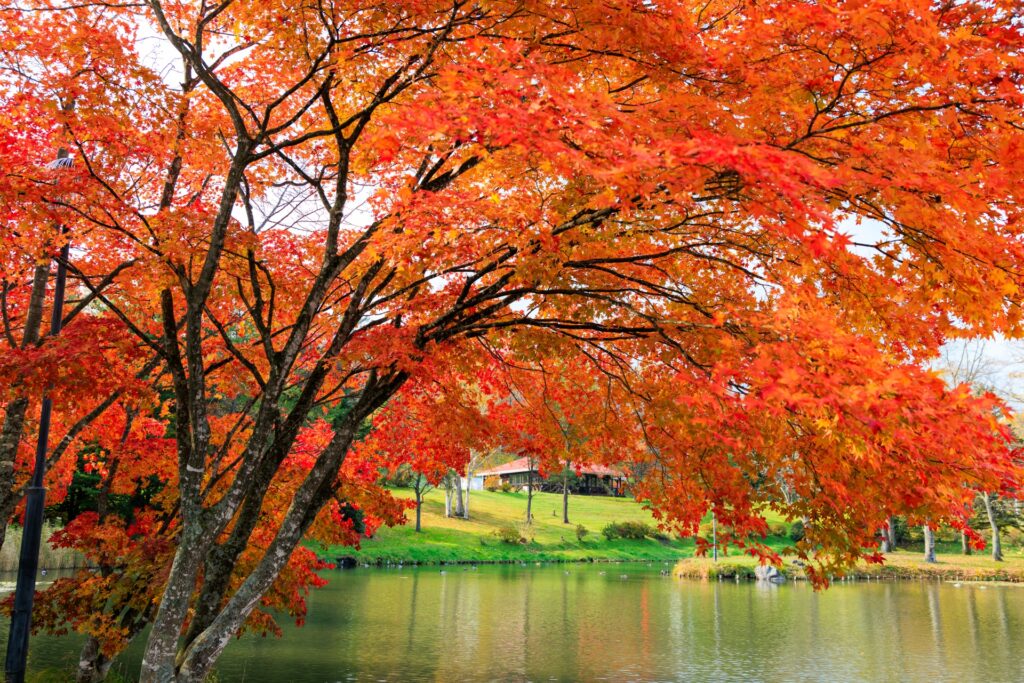
The city’s parks, gardens, temples, and tree-lined streets become especially beautiful in late November.
Popular places include:
- Rikugien Garden
- Shinjuku Gyoen
- Meiji Jingu Gaien
- Koishikawa Korakuen Garden
- Imperial Palace area
Tokyo’s 2026 red-leaf viewing date is currently forecast for around November 29, while ginkgo leaves are expected around November 26.
One advantage of Tokyo is that you can combine autumn foliage with everything else the city has to offer — shopping, food, museums, neighborhoods, and nightlife.
Best for: First-time visitors, city trips, couples, and travelers who don’t want to spend too much time traveling between destinations.
2. Kyoto — Temples, Gardens & Classic Autumn Scenery
When many people picture autumn in Japan, they imagine Kyoto.
Red maple leaves surrounding traditional temples, stone paths covered with fallen leaves, and beautifully landscaped Japanese gardens make Kyoto one of the country’s most iconic autumn destinations.
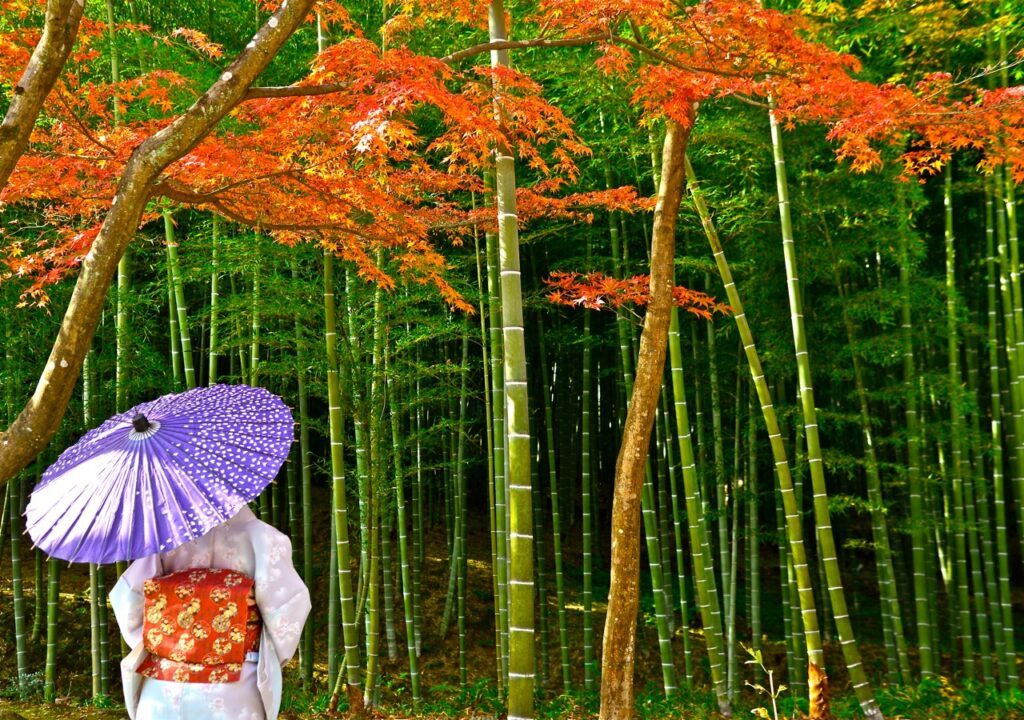
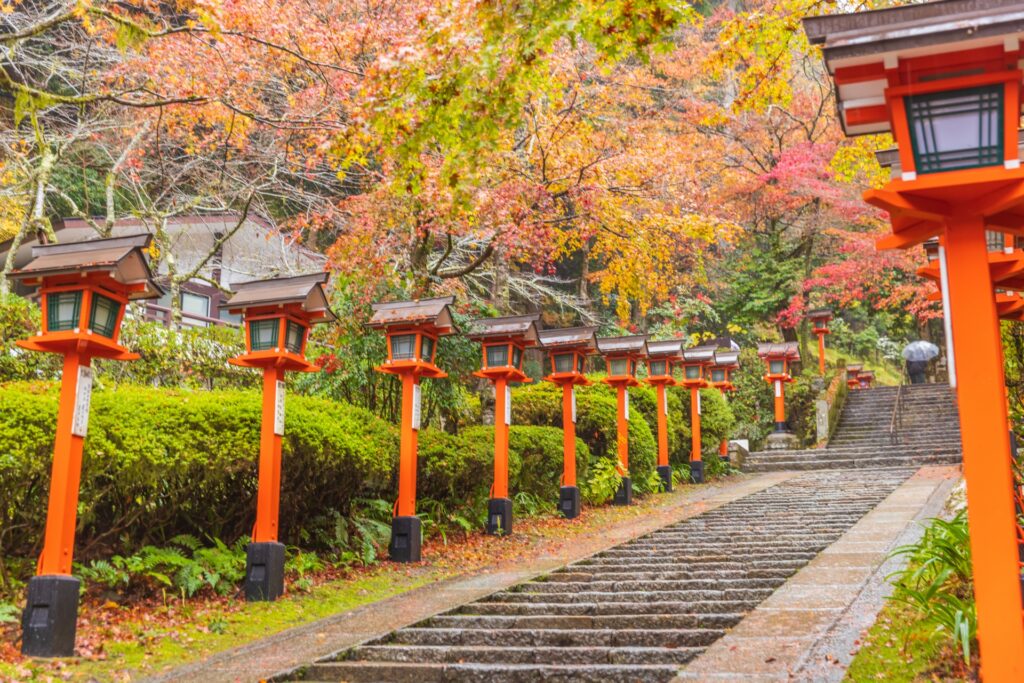
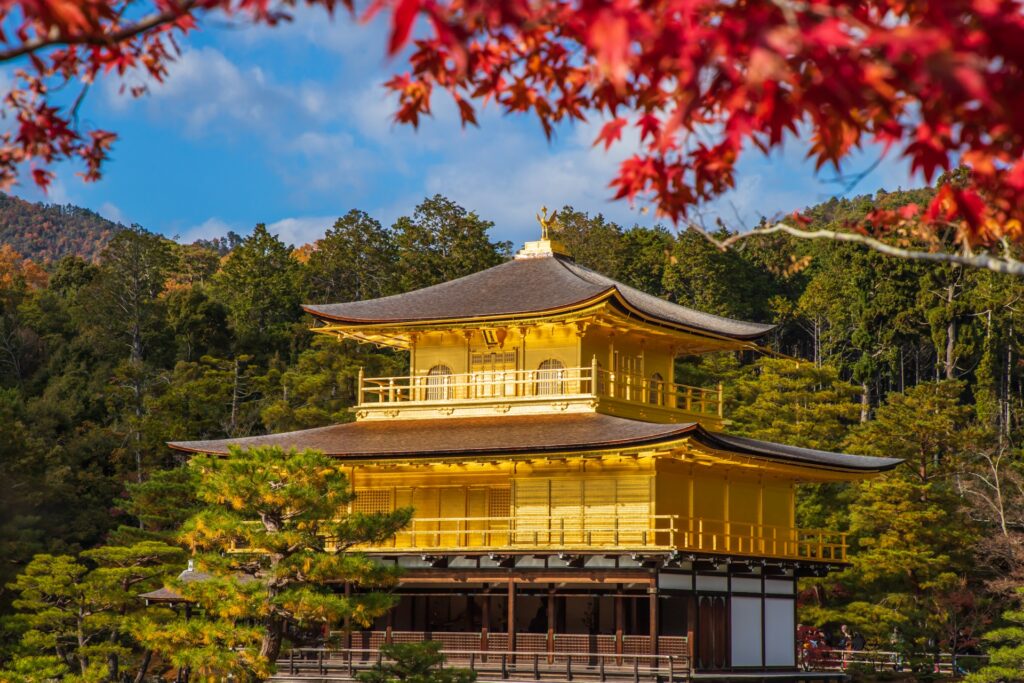
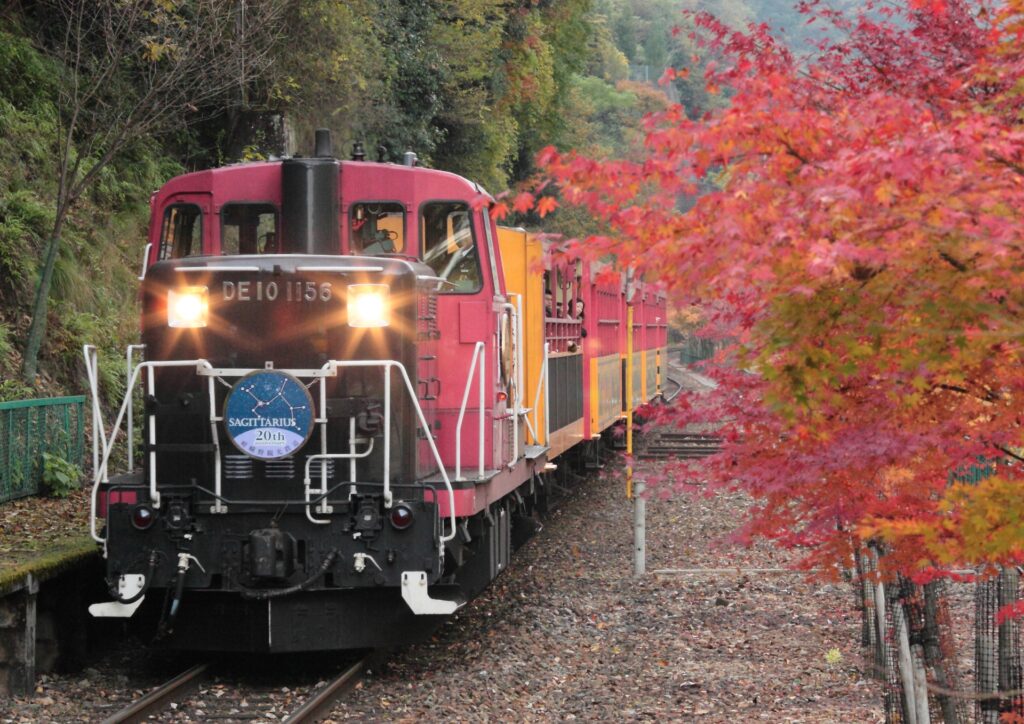
Popular autumn spots include:
- Kiyomizu-dera
- Tofuku-ji
- Eikando
- Arashiyama
- Kodaiji
- Nanzen-ji
The current 2026 forecast places Kyoto’s red-leaf viewing period around December 11, while ginkgo leaves are expected around November 27.
However, Kyoto is also one of the busiest destinations during peak autumn season.
If you’re visiting during the most popular period, expect crowded attractions and transportation.
Best for: Traditional Japan, temples, photography, first-time visitors, and travelers looking for iconic autumn scenery.
3. Nikko — Mountains, Lakes & Autumn Colors
Want to get out of the city?
Nikko is one of the easiest autumn day-trip options from Tokyo.
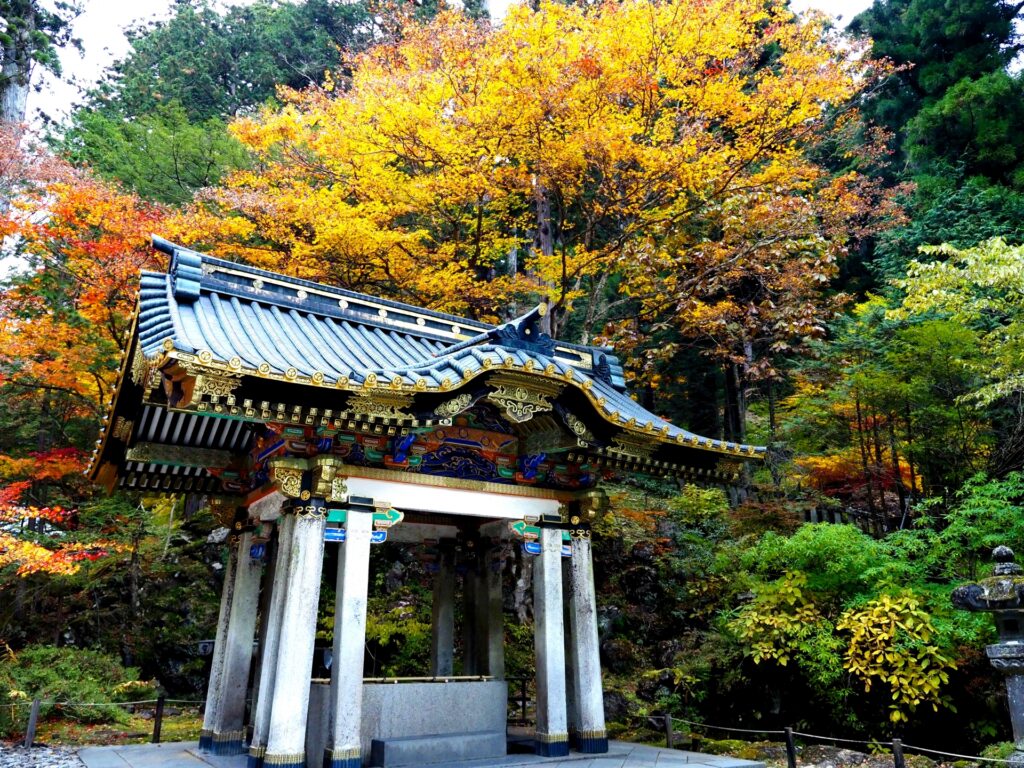
Located north of Tokyo, Nikko combines mountain scenery, historic temples and shrines, lakes, waterfalls, and colorful forests.
The higher elevations usually change color earlier than the city areas, so Nikko can offer autumn scenery before Tokyo reaches its peak.
Some popular spots include:
- Lake Chuzenji
- Kegon Falls
- Irohazaka
- Nikko Toshogu
- Ryuzu Falls
Best for: Nature lovers, photographers, and travelers looking for a day trip from Tokyo.
4. Mt. Fuji & Kawaguchiko — Autumn Colors with a Famous View
If you want one of the most recognizable views in Japan, combine autumn foliage with Mt. Fuji.
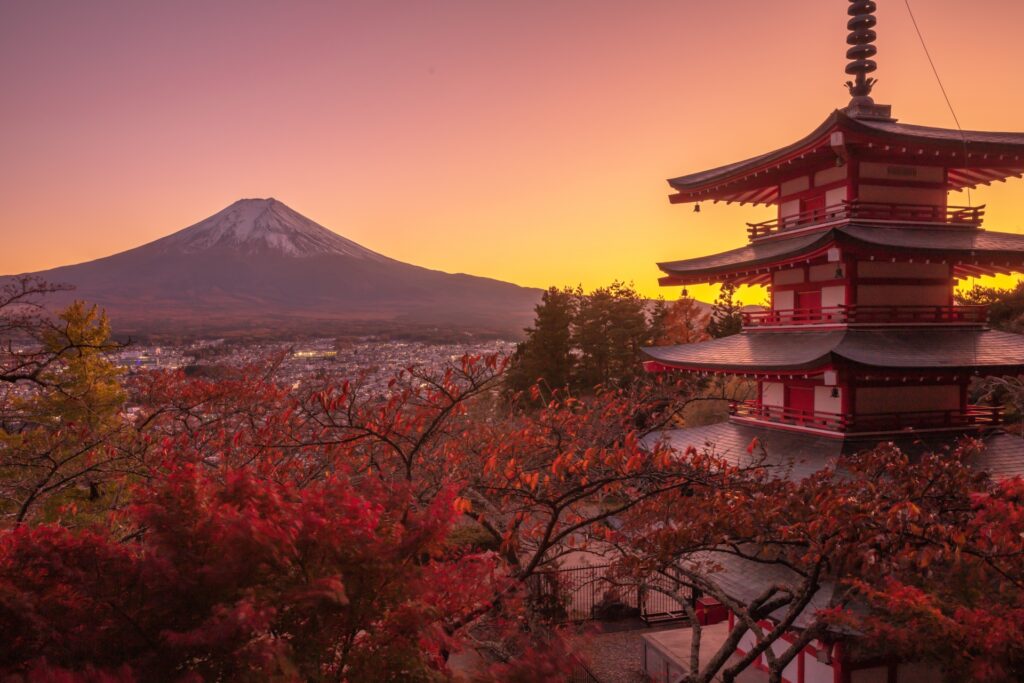
Lake Kawaguchiko is particularly popular in autumn, when colorful trees frame views of Mount Fuji.
The combination of:
red leaves + Lake Kawaguchi + Mt. Fuji
is one of the classic autumn scenes travelers look for when visiting Japan.
The area can become extremely busy during peak foliage season, especially on weekends and holidays.
Best for: Photography, couples, families, and travelers looking for iconic Japan scenery.
5. Osaka — Autumn Foliage with Easy City Access
Osaka is often associated with food and nightlife, but the city and surrounding areas also offer plenty of autumn scenery.
The 2026 forecast currently places Osaka’s red-leaf viewing period around December 4, with yellow ginkgo leaves arriving earlier, around November 24.
If you’re staying in Osaka, you can combine autumn foliage with destinations such as:
- Osaka Castle Park
- Minoh
- Katsuo-ji
- Expo ’70 Commemorative Park
Best for: Travelers combining Osaka with Kyoto, families, and visitors who want both city sightseeing and nature.
🍂 What Is the Best Time to Visit Japan for Autumn Leaves?
If you’re planning your trip specifically around autumn foliage, late November is a particularly useful window for many first-time visitors.
During this period, you may be able to enjoy autumn colors in areas around Tokyo while also traveling toward destinations such as Kyoto, Osaka, Nikko, or Mt. Fuji.
However, there isn’t one perfect date for the whole country.
For example:
October:
Best for northern Japan and higher-altitude mountain areas.
Early to mid-November:
Great for parts of Hokkaido, Tohoku, Nagano, and mountain destinations.
Late November:
A popular period for Tokyo and many areas of central Japan.
Early December:
Often a good time for Kyoto, Osaka, Nagoya, and parts of western Japan.
Mid-December:
Some southern and warmer areas may still have autumn colors.
The 2026 forecast is only the first prediction, so travelers should check updated foliage information closer to their travel dates. Japan Meteorological Company plans to release its next forecast in early October.
🚆 Should You Travel by Train During Autumn Foliage Season?
Japan’s train network makes it easy to travel between major cities.
But during peak autumn foliage season, popular attractions can become extremely busy.
And some of the best autumn destinations aren’t located next to major train stations.
For example, getting to places around:
- Mt. Fuji
- Nikko
- Hakone
- Lake Chuzenji
- rural Kyoto
- mountain areas
may require multiple trains, buses, or transfers.
If you’re traveling with several people, young children, or a lot of luggage, a private vehicle can sometimes make your day much easier.
Instead of planning around train schedules, you can create an itinerary based on the places you actually want to visit.
🚗 A More Flexible Way to Explore Japan in Autumn
If you’re traveling as a couple, family, or small group, consider a private vehicle for your autumn day trips.
With a private transfer or custom transportation service, you can:
- Start from your hotel
- Visit multiple autumn foliage spots
- Avoid complicated transfers
- Carry your luggage comfortably
- Adjust your schedule more easily
- Return directly to your accommodation
This can be particularly useful for day trips from Tokyo to destinations such as Nikko, Kawaguchiko, or Hakone.
🍁 Planning an Autumn Trip to Japan?
Autumn is one of the most popular seasons to visit Japan, so it’s worth planning your itinerary early — especially if you’re traveling during peak foliage season.
And remember:
The best autumn trip isn’t necessarily about visiting the most famous spot.
It’s about choosing the right destination for your travel dates.
If you already know when you’re visiting Japan but aren’t sure where to go for the best autumn scenery, we can help you build a private itinerary around your trip.
Planning Your Autumn Trip?
From airport transfers to private day trips and customized travel arrangements, JATRAVI can help you explore Japan comfortably at your own pace.
Tell us your travel dates, destinations, and what you’d like to see.


