When most visitors think of Japanese traditions, they may picture tea ceremonies, temples, or samurai armor. But one of Japan’s most authentic cultural practices—rooted in history, philosophy, and discipline—is 剣道 (kendo), literally “the way of the sword.”
Far more than a sport, kendo is a living expression of Japanese martial values, blending physical skill with spiritual growth, etiquette, and a sense of lifelong learning.
What Is Kendo? More Than Just Sword Fighting
Kendo originated from the battlefield traditions of the samurai, Japan’s warrior class. As swordsmanship evolved from combat technique to disciplined practice, it became a way for practitioners to cultivate not only physical ability but also character, focus, and respect.
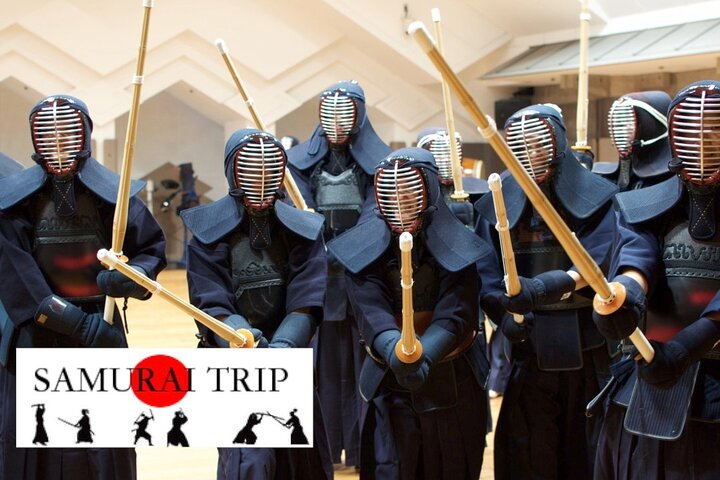
Today’s kendo uses shinai (bamboo swords) and protective armor called bogu, allowing practitioners to engage in full-contact practice safely while preserving centuries-old etiquette and principles. The sound of a well-executed strike, the rhythm of footwork, and the respectful bows before and after practice are all part of a ritual that figures discipline and courtesy into every movement.
In modern Japan, kendo is practiced widely—from school physical education and community clubs to world-class competitions and international federations—each reinforcing core values of 心技体 (shin-gi-tai): unity of mind, technique, and body.
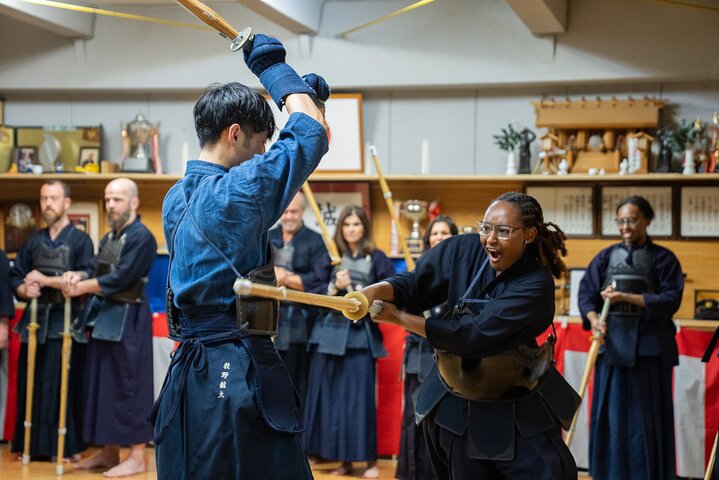
Why Kendo Is More Than a Martial Art
At its heart, kendo is a philosophy as much as a physical discipline. Students learn:
- 礼 (rei) — etiquette and respect
- 集中 (shūchū) — focus and presence
- 継続 (keizoku) — perseverance and lifelong learning
Rather than simply teaching how to win a bout, kendo encourages practitioners to become better individuals—humble, attentive, and resilient.
This cultural dimension is what distinguishes kendo from sport fencing or casual swordplay. It is a journey as much inward as outward.
Kendo and Japanese Identity
Though kendo has spread internationally—with federations and tournaments around the world—it remains deeply rooted in Japanese culture. Its connection to samurai tradition, emphasis on etiquette, and incorporation into school and community life make it a unique lens through which to view Japanese values and aesthetics.
Participating in a kendo practice—even briefly—lets visitors understand:
- Why discipline and respect are central to Japanese culture
- How physical training becomes a tool for inner development
- The way ancient practices continue to shape modern identity
For many travelers, this is the highlight of a cultural journey—an experience that resonates long after the bamboo sword has been returned to its rack.
Try Authentic Kendo in Japan: SAMURAI TRIP Experience
For travelers who want to go beyond watching from the sidelines and truly engage with Japanese culture, there are hands-on programs that bring kendo to life. One standout option is the Kendo Experience Tour offered by Samurai Trip—a tour designed for both curious beginners and culturally minded visitors.
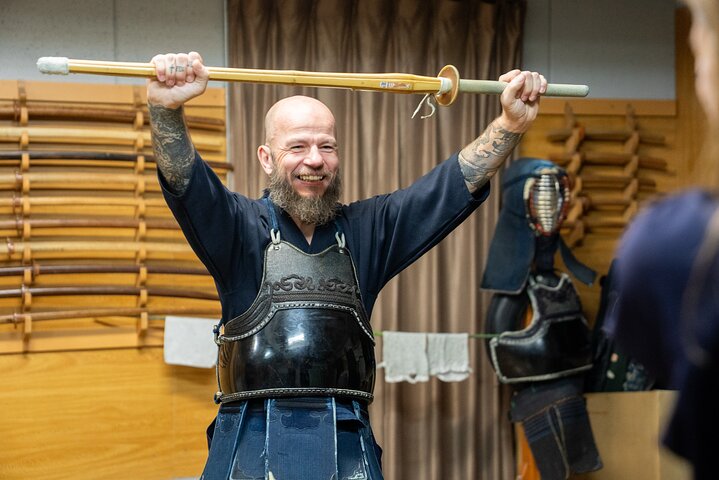
What You’ll Do
At its core, this experience allows you to:
- Practice basic kendo etiquette and striking techniques under an English-speaking instructor with a black belt.
- Wear full traditional bogu armor and understand its history and craftsmanship.
- Learn what it means to unify mind and body through movement—the core principle of kendo.
More Than Just Practice
Depending on the selected plan, the experience can also include:
- A visit to a traditional kendo armor craftsman workshop to see how bogu has been handcrafted for over a century.
- A themed meal at a kendo-style izakaya (Japanese pub) with samurai atmosphere and menu.
The tours are available in major cities such as Tokyo, Osaka, Kyoto, Fukuoka, and Sapporo, making it easy to include kendo in your Japan itinerary.
This kind of immersive cultural activity gives travelers a rare opportunity to feel the discipline, focus, and presence that martial arts cultivate—something far more profound than simply watching a demonstration.
Tips for Visitors Interested in Kendo
- Even if you have no prior experience, many workshops and tour experiences welcome beginners and provide all required equipment.
- Observing or participating in a local dojo (training hall) can provide further insight into how kendo is practiced in everyday life.
- If visiting during a tournament or demonstration, you’ll witness not only physical skill but also tradition, ritual, and communal respect in action.
Kendo is not just something to watch—it’s something to feel.

Create Your Own Travel Booking With Us
We specialize in crafting unforgettable journeys across Japan. Whether you’re a solo traveler, couple, or family, our expert planners, multilingual guides, and customer care team ensure your adventure is seamless and unique — from first click to final destination.
Create your travel booking website with us — and let your story unfold in Japan.