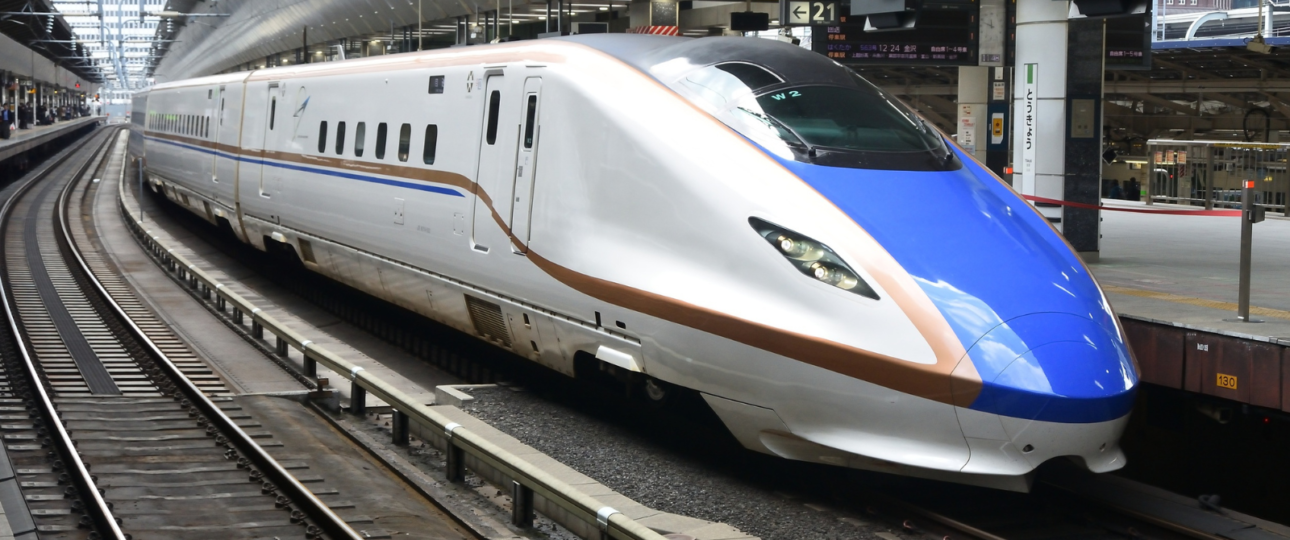
Japan’s high-speed rail network continues to expand, and each new Shinkansen line can significantly change how travelers move across the country. Understanding how these routes affect travel planning can help you design a smoother itinerary and avoid unnecessary transfers.
In this guide, we explain how new Shinkansen developments influence travel routes, travel time, and trip planning in Japan for 2026.
Why the Shinkansen Network Matters for Travelers
The Shinkansen system is one of the most efficient high-speed rail networks in the world. For international visitors, it often becomes the backbone of a multi-city itinerary connecting destinations such as Tokyo, Kyoto, Osaka, Hiroshima, and regional areas.
When a new Shinkansen segment opens or extends, it can reduce travel times, create new travel routes, and change which cities are easiest to combine in one trip.
How New Shinkansen Lines Affect Travel Routes
New Shinkansen infrastructure typically affects travel in three major ways:
- shorter travel times between major regions
- new route options for regional destinations
- reduced transfers between cities
For example, a new extension may allow travelers to reach northern or rural destinations faster from Tokyo, making areas that were previously harder to reach more accessible.
What It Means for Japan Itinerary Planning
For travelers planning a 7–14 day trip to Japan, improved rail routes can make certain itinerary combinations more practical.
Popular travel routes may include:
- Tokyo → Kyoto → Osaka
- Tokyo → Kanazawa → Kyoto
- Tokyo → Hokkaido via high-speed rail connections
If you are planning your first trip, you may also want to read: Japan Itinerary 7 Days.
Does the New Shinkansen Line Affect the JR Pass?
Many travelers wonder whether new lines change the value of the JR Pass. In most cases, JR Pass holders can still use Shinkansen services on eligible lines, although some trains may require reservations.
Travelers comparing transport options should also see: Kansai Wide Area Pass vs JR Pass.
Benefits for Regional Travel
Beyond major cities, new Shinkansen routes can make regional destinations easier to access. This often benefits areas such as northern Honshu, coastal regions, and scenic countryside destinations.
For example, travelers heading toward northern Japan may combine these rail routes with trips to Hokkaido or Tohoku.
If you’re considering travel further north, you may find this helpful: When to Book Hokkaido Tours.
Should You Change Your Travel Plan?
For most visitors, the overall structure of a Japan trip remains similar: Tokyo, Kyoto, and Osaka continue to be the most popular starting points. However, improved rail connections can make adding regional destinations more convenient.
This allows travelers to design itineraries that balance famous landmarks with quieter scenic regions.
Planning a Multi-City Japan Trip
If you are building a longer itinerary, Shinkansen connections can influence which cities are easiest to combine in a single trip.
Some travelers use sample routes as a reference before customizing their own travel plan. For example: Japan Classic Tour 7 Days.
Keep in mind that itineraries shown on our website are flexible references and can be adjusted based on travel pace, interests, and season.
Final Thoughts
Japan’s expanding Shinkansen network continues to make travel easier for both domestic and international visitors. As new lines open, travelers gain more options for exploring different regions without significantly increasing travel time.
Understanding how these rail developments affect routes can help you design a smoother and more efficient trip across Japan.