Home>Mo Mo (Page 31)

Living Yamagata: Traditions, Beliefs, and Everyday Life Shaped by the Land

living yamagata traditions beliefs and everyday life shaped by the land

In Yamagata, culture is not separated from daily life. Traditions, beliefs, and customs are woven into routines shaped by mountains, snow, and seasonal change. Rather than existing as performances for visitors, these practices continue because they remain meaningful to those who live here. To understand …

Onsen and Slow Travel in Yamagata: Finding Rhythm in Heat, Silence, and Time

onsen and slow travel in yamagata finding rhythm in heat silence and time

Yamagata is not a place to rush. Its mountains, winters, and distance from major urban centers have shaped a lifestyle that values rhythm over speed. Nowhere is this more evident than in its onsen culture. Here, hot springs are not treated as luxury add-ons to …

Where Food Meets Winter: The Culinary Identity of Yamagata

where food meets winter the culinary identity of yamagata

Food in Yamagata is not driven by trend or presentation. It is shaped by necessity—by long winters, heavy snow, and a lifestyle that historically required people to plan months ahead. The result is a cuisine rooted in preservation, seasonality, and a deep respect for ingredients. …

Zao in Yamagata: Where Mountains, Weather, and Time Shape the Experience

zao in yamagata where mountains weather and time shape the experience

Mount Zao is not just one mountain, but a vast volcanic range stretching across Yamagata and Miyagi Prefectures. In Yamagata, Zao is experienced not as a single destination, but as an ever-changing environment—one that transforms dramatically with the seasons and leaves a strong impression on …

Discover Yamagata: A Journey Shaped by Mountains, Snow, and Space

discover yamagata a journey shaped by mountains snow and space

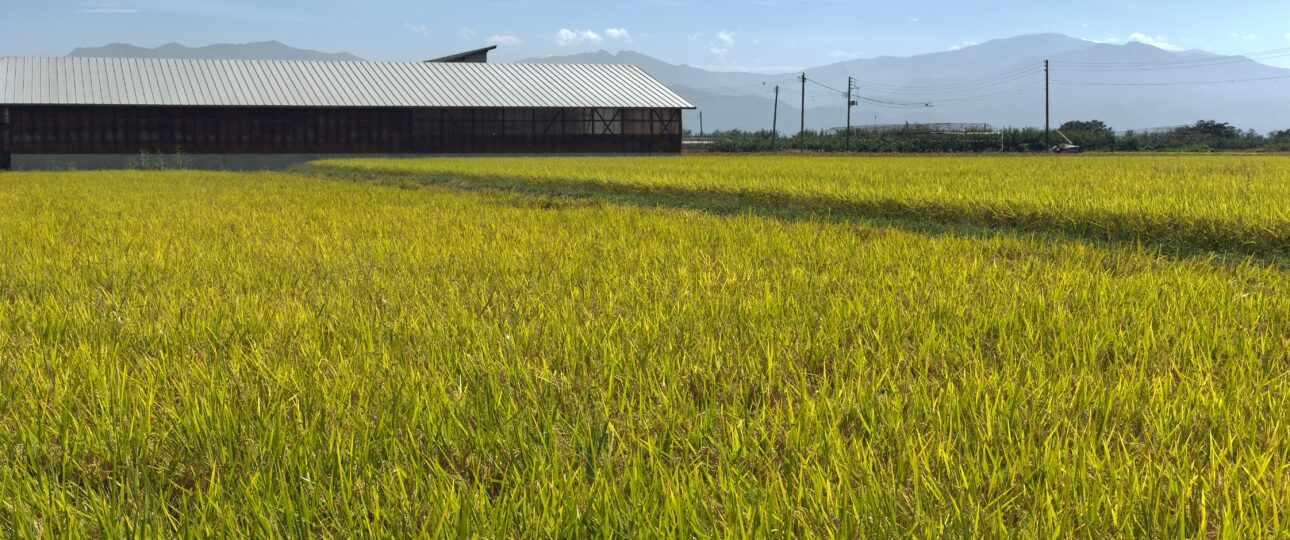
Yamagata Prefecture is defined by distance—not just physical distance from major cities, but a sense of space that shapes daily life, culture, and travel experiences. Surrounded by mountains and facing the Sea of Japan, Yamagata has developed at its own pace, offering travelers a slower, …

Discover Tokyo from a New Perspective: Experiencing the City with Japan Kart

Discover Tokyo from a New Perspective: Experiencing the City with Japan Kart

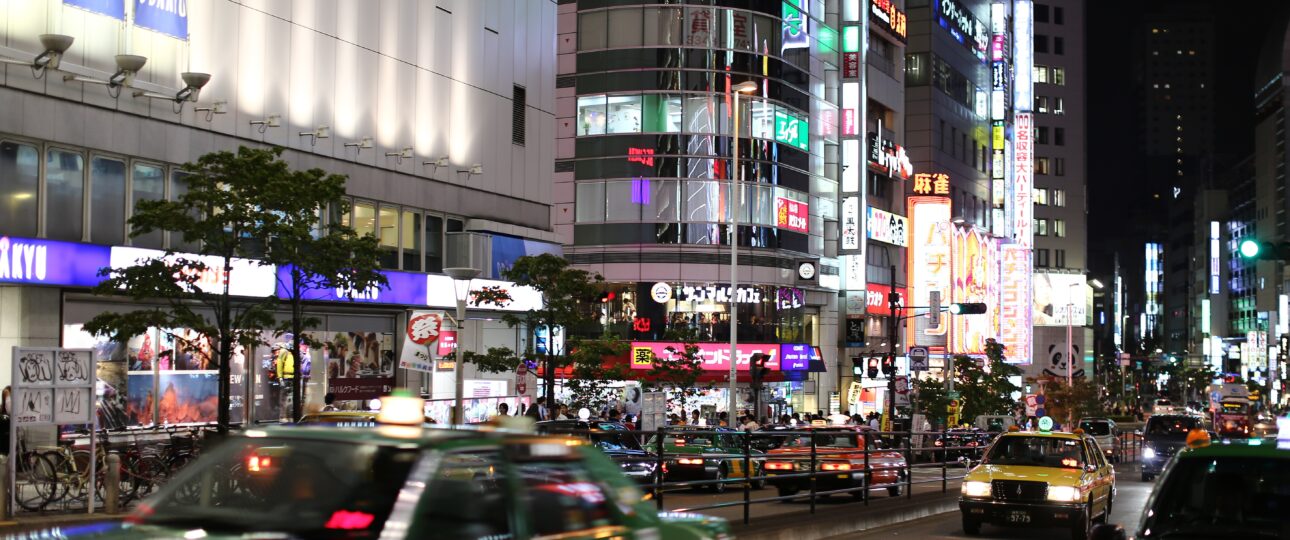
When people think of exploring Tokyo, images of crowded trains, neon-lit streets, and endless walking routes often come to mind. While these are all part of the city’s charm, Tokyo also offers experiences that allow visitors to see the city from a completely different angle. …

Eating Iwate: Regional Flavors, Everyday Meals, and Local Identity

eating iwate regional flavors everyday meals and local identity

Food in Iwate reflects the prefecture’s vast geography. With mountains, plains, and coastline stretching across a wide area, there is no single “Iwate cuisine.” Instead, food here changes subtly from place to place, shaped by local ingredients, climate, and daily routines. To eat in Iwate …

Traveling Through Time in Iwate: Seasons, Distance, and Rhythm

traveling through time in iwate seasons distance and rhythm

In Iwate, time feels different. Not slower in a nostalgic sense, but wider—stretched across long roads, shifting weather, and landscapes that change gradually with the seasons. The prefecture’s size and climate shape how people live and how travelers move, creating journeys defined by rhythm rather …

Restorative Iwate: Mountains, Hot Springs, and the Power of Scale

restorative iwate mountains hot springs and the power of scale

Iwate’s landscapes do not gently invite rest—they create it naturally. Mountains rise without effort, valleys stretch far into the distance, and hot springs emerge where geology allows rather than where convenience dictates. In this vast environment, restoration comes not from comfort alone, but from perspective. …

Stories of Iwate: Tradition, Craftsmanship, and Life Today

stories of iwate tradition craftsmanship and life today

Iwate’s culture is shaped by distance, land, and continuity. Rather than dramatic change, its identity has been formed through endurance–stories carried forward across generations, skills refined over time, and communities that remain closely tied to place. To understand Iwate is to see how tradition and …