Home>Mo Mo (Page 32)

Eating Iwate: Regional Flavors, Everyday Meals, and Local Identity
eating iwate regional flavors everyday meals and local identity

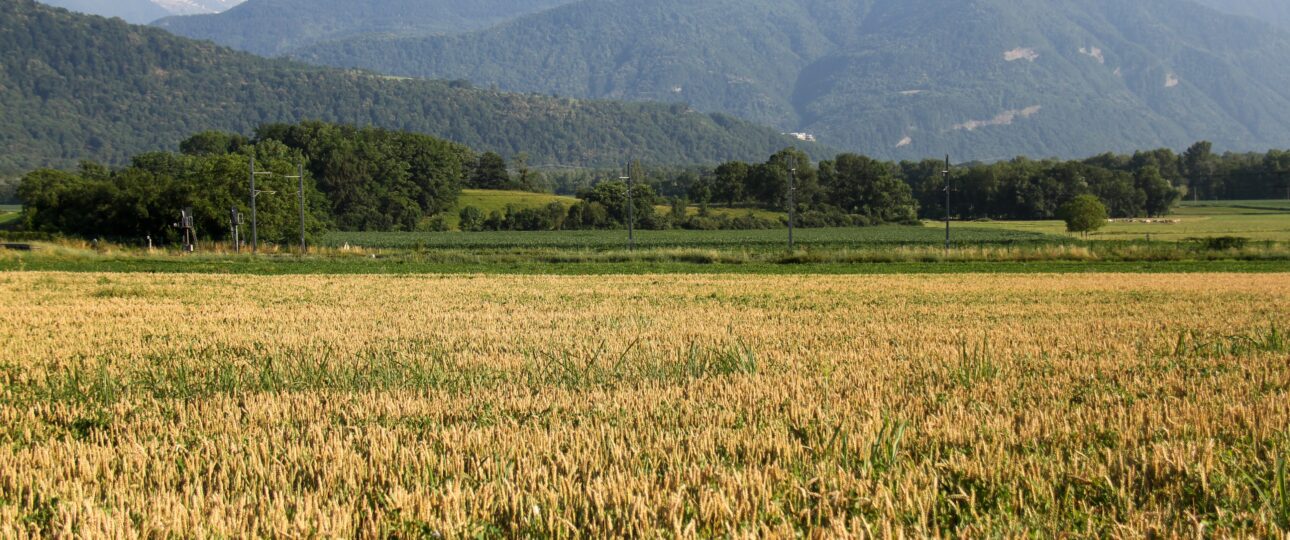
Food in Iwate reflects the prefecture’s vast geography. With mountains, plains, and coastline stretching across a wide area, there is no single “Iwate cuisine.” Instead, food here changes subtly from place to place, shaped by local ingredients, climate, and daily routines. To eat in Iwate …

Traveling Through Time in Iwate: Seasons, Distance, and Rhythm

traveling through time in iwate seasons distance and rhythm

In Iwate, time feels different. Not slower in a nostalgic sense, but wider—stretched across long roads, shifting weather, and landscapes that change gradually with the seasons. The prefecture’s size and climate shape how people live and how travelers move, creating journeys defined by rhythm rather …

Restorative Iwate: Mountains, Hot Springs, and the Power of Scale

restorative iwate mountains hot springs and the power of scale

Iwate’s landscapes do not gently invite rest—they create it naturally. Mountains rise without effort, valleys stretch far into the distance, and hot springs emerge where geology allows rather than where convenience dictates. In this vast environment, restoration comes not from comfort alone, but from perspective. …

Stories of Iwate: Tradition, Craftsmanship, and Life Today

stories of iwate tradition craftsmanship and life today

Iwate’s culture is shaped by distance, land, and continuity. Rather than dramatic change, its identity has been formed through endurance–stories carried forward across generations, skills refined over time, and communities that remain closely tied to place. To understand Iwate is to see how tradition and …

Iwate Beyond Expectations: Vast Landscapes and Deep Journeys

iwate beyond expectations vast landscapes and deep journeys

Iwate Prefecture is one of Japan’s largest regions, yet it remains one of the least rushed. Stretching from rugged Pacific coastlines to mountainous inland areas, Iwate offers travelers a sense of scale that is increasingly rare in Japan. This is a place where distances matter, …

Akita’s Healing Landscapes: Hot Springs, Forests, and Open Space

akita's healing landscapes hot springs forests and open space

Akita is not a destination that asks travelers to hurry. Its landscapes encourage the opposite—slowing down, breathing deeper, and letting the surroundings do the work. Across the prefecture, nature and hot springs come together to create an environment that feels restorative rather than stimulating. For …

Living with the Seasons in Akita: Nature, Time, and Local Rhythm

living with the seasons in akita nature time and local rhythm

In Akita, the seasons are not background scenery—they are active participants in daily life. Rather than adapting nature to fit schedules, people here adjust their routines, habits, and expectations to match the changing environment. For travelers, this means that every visit to Akita feels distinct. …

Eating Akita: Rice Culture, Local Kitchens, and Everyday Flavors

eating akita rice culture local kitchens and everyday flavors

Food in Akita is not designed to impress at first glance. There are no dramatic presentations or trendy flavors chasing attention. Instead, Akita’s cuisine is rooted in something far more fundamental: rice, seasonality, and the quiet confidence of everyday cooking. To eat in Akita is …

Akita Beyond the Map: Quiet Places and Meaningful Journeys

akita beyond the map quiet places and meaningful journeys

When people think about traveling in Japan, the spotlight usually falls on big cities or famous destinations. Tokyo’s energy, Kyoto’s temples, Hokkaido’s wide landscapes—these places are easy to imagine. Akita, however, often sits quietly outside the mental map of first-time visitors. And that is exactly …