
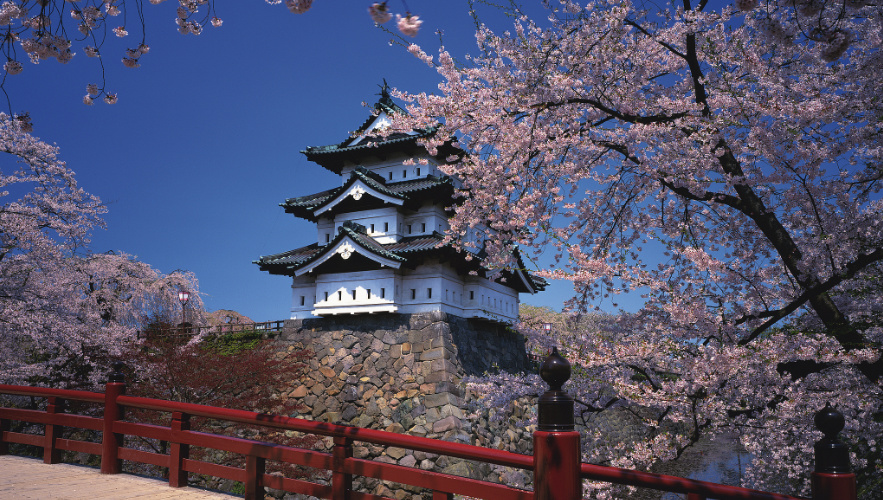
The best time to visit Japan depends on whether you prioritize comfortable weather, cherry blossoms, autumn colours, skiing, festivals, lower crowds or easier prices. This month-by-month guide helps you match your dates with the right region and travel style.
Cherry blossoms, gardens and comfortable sightseeing, with high demand around peak bloom and Golden Week.
Rain, heat, festivals, fireworks and mountain routes. Good planning matters more than avoiding the season entirely.
Seasonal food and foliage that progresses from northern and mountain regions toward central and western Japan.
Skiing, snow scenery, illuminations and onsen, with holiday peaks around Christmas and New Year.
What Is the Best Time to Visit Japan Overall?
There is no single best month for every traveler. If you want a classic first trip combining Tokyo, Kyoto and Osaka, spring and autumn are usually the easiest seasons to consider. Temperatures are often more comfortable for walking than midsummer, and seasonal landscapes add value to temples, gardens and day trips.
That does not mean you should automatically choose April or November. Cherry blossom and autumn foliage periods can create strong demand in famous destinations. A less fashionable month may offer a better trip when it matches your budget, preferred pace and chosen regions.
Best Time to Visit Japan: Month-by-Month Comparison
| Month | Typical travel conditions | Best for | Crowds and planning |
|---|---|---|---|
| January | Cold winter weather, snow in northern and mountain regions, generally drier conditions in many Pacific-side cities. | Skiing, onsen, snow scenery, winter food and quieter city travel after New Year. |
Busy at New Year Transport and accommodation demand can be high around the holiday period. |
| February | Peak winter in many areas, with strong snow potential in Hokkaido, Tohoku and the Japanese Alps. | Powder skiing, snow festivals, winter photography and hot-spring stays. |
High ski demand Popular resorts, lessons and transfers should be booked early. |
| March | A transition from winter to spring. Conditions vary widely between southern cities, central Japan and snow regions. | Early blossoms in warmer areas, late-season skiing and mixed city-and-mountain trips. |
Highly date-sensitive Late March can become busy where cherry blossoms begin. |
| April | Mild spring weather in many major sightseeing regions, with blossom timing moving by latitude and elevation. | Cherry blossoms, gardens, first-time routes and outdoor sightseeing. |
Peak demand Famous blossom destinations can be crowded and expensive. |
| May | Comfortable late-spring conditions in many areas, becoming warmer toward the end of the month. | Walking, gardens, countryside, family trips and broad regional itineraries. |
Golden Week peak Early May requires careful booking; later May can feel easier. |
| June | Rainy-season conditions affect much of the country, although timing and intensity vary by region. | Hydrangeas, museums, food, culture, fewer headline-season crowds and flexible itineraries. |
Potential value Build indoor alternatives into the route instead of expecting constant rain. |
| July | Rainy conditions gradually give way to hotter and more humid summer weather in many cities. | Festivals, fireworks, mountain season, Hokkaido and summer cultural events. |
Heat planning needed Use earlier starts, rest breaks and realistic walking distances. |
| August | Hot and humid in much of central and southern Japan, with cooler options in northern or elevated destinations. | Fireworks, festivals, Hokkaido, alpine scenery, beaches and family holidays. |
Holiday pressure Obon travel and school holidays can affect trains, hotels and attractions. |
| September | Summer heat may continue, while tropical weather systems can affect travel plans. | Later summer travel, early northern foliage and travelers with flexible routes. |
Weather flexibility Monitor forecasts and avoid tightly connecting every day of the itinerary. |
| October | Generally more comfortable autumn travel in many regions, with earlier foliage in northern and mountain areas. | Hiking, regional travel, seasonal food, gardens and early autumn colours. |
Strong all-round month Famous mountain and foliage areas can still become busy. |
| November | Cooler autumn conditions and foliage across many central and western destinations. | Tokyo, Kyoto, Mt. Fuji areas, temples, gardens and classic cultural routes. |
Popular foliage month Kyoto and other famous viewing areas require early planning. |
| December | Early winter, illuminations and gradually improving snow conditions in suitable regions. | Winter city trips, onsen, illuminations, Christmas travel and early ski trips. |
Late-month peak Ski coverage varies early in the month; New Year demand builds at the end. |
Best Month to Visit Japan by Travel Goal
Bloom develops at different times across southern, central, northern and high-elevation Japan. Do not plan around one nationwide date.
Foliage generally appears earlier in northern and mountain regions and later in central and western cities.
December and March can also work, but snow reliability and open terrain depend more strongly on the resort.
These seasons often suit travelers planning long walking days, gardens, temples and multi-city routes.
Avoid major holidays and famous seasonal peaks. Crowd levels still vary by destination and event calendar.
Summer brings major cultural events, but heat, humidity, ticket rules and transport restrictions require preparation.
Best Time for Cherry Blossoms
Cherry blossom timing changes every year and progresses across Japan rather than occurring everywhere at once. Late March and early April are important planning periods for Tokyo, Kyoto and Osaka, but earlier or later routes may work in other regions.
If blossom viewing is essential, use a multi-destination itinerary with alternatives instead of depending on one park on one fixed day. Forecasts should guide planning, but no company can guarantee peak bloom.
Best Time for Autumn Leaves
Autumn can begin in Hokkaido and high mountain areas while major cities are still warm. By November, many travelers focus on Tokyo, Kyoto, Mt. Fuji and central Japan. Western areas may continue into late November or early December depending on annual conditions.
For a trip designed around your dates, see Jatravi’s private Japan autumn tours. The commercial Page handles customized trip planning, while this guide remains focused on choosing a month.
Best Time to Ski in Japan
January and February are generally the strongest choices for travelers prioritizing powder snow. Families, beginners and travelers combining skiing with Tokyo or Kyoto may also prefer late February or March for milder conditions, depending on the resort.
Read the dedicated best time to ski in Japan guide before choosing a resort or booking lessons. The ski article covers snow conditions and resort operations in detail; this page only compares skiing with other seasonal reasons to visit Japan.
Cheapest Time to Visit Japan
There is no permanently cheapest month. Airfares and hotel prices depend on departure city, destination, booking date, holidays and local events. However, avoiding cherry blossom peaks, Golden Week, Obon, New Year and peak ski dates can improve availability.
A lower hotel price does not automatically mean better value. A poorly matched month can add weather disruption, long transfers or activities that are unavailable. Compare the whole itinerary rather than only the nightly room rate.
Peak Travel Periods to Plan Around
New Year
Late December and early January can bring domestic travel demand, altered business hours and closures. The holiday is culturally interesting, but travelers should check each attraction, restaurant and transport service instead of assuming ordinary schedules.
Cherry Blossom Season
Peak bloom attracts strong demand to famous parks, temples and cities. Reserve important hotels early, but keep daily viewing plans flexible because blossom timing changes with the weather.
Golden Week
A concentration of Japanese public holidays from late April into early May can increase domestic travel. Popular trains, hotels and sightseeing areas may be much busier than during ordinary spring weeks.
Obon and Summer Holidays
Mid-August can bring heavy domestic travel while international family travel is also active. Reserve intercity transport and accommodation early, especially when combining a summer festival with several cities.
Autumn Foliage Weekends
Famous Kyoto temples, mountain routes and foliage destinations may be crowded when colour and weekend demand overlap. Early starts, weekday visits and less obvious regional stops can improve the experience.
The Best Time to Visit Japan Changes by Region
A nationwide monthly recommendation can be misleading. Japan’s latitude, elevation and geography create very different travel conditions.
Spring and autumn are popular for walking and cultural sightseeing. Summer can be hot and humid, while winter city travel may be clearer and less crowded outside holiday periods.
Hokkaido has an important ski season, a later spring, comfortable summer possibilities and earlier autumn colour than many central Japanese cities.
These regions can add snow, mountain scenery, onsen and earlier autumn colour. Access and opening periods may depend on elevation and seasonal transport.
Okinawa follows a different beach and weather calendar from Tokyo or Hokkaido. Tropical weather and storm risk should be checked separately.
The Japan National Tourism Organization provides official destination and seasonal guidance. Recheck regional information closer to departure rather than relying only on a nationwide summary.
When Should You Avoid Visiting Japan?
Japan is a year-round destination, but some periods may be a poor match for particular travelers.
- Avoid peak blossom weeks if low prices and quiet sightseeing matter more than seasonal scenery.
- Avoid Golden Week if you need maximum flexibility for hotels and intercity transport.
- Avoid July and August in major cities if you struggle with heat and humidity and do not specifically want festivals or summer travel.
- Avoid early December ski trips if full terrain and reliable snow are essential.
- Avoid a rigid September itinerary if it cannot absorb weather-related transport changes.
- Avoid choosing only by airfare if the cheapest dates conflict with your main activity or destination.
How to Choose the Best Dates for Your Japan Trip
- Identify the non-negotiable experience. Decide whether the trip is mainly about blossoms, skiing, foliage, festivals, culture, food or family sightseeing.
- Choose the correct region. Match the month to the destination rather than using a single national weather assumption.
- Check Japanese holidays and local events. They can change hotel availability, transport demand and attraction access.
- Compare total trip value. Include flights, hotels, transfers, activity availability and weather suitability.
- Build flexibility into seasonal travel. Blossoms, autumn colour, snow and outdoor events are affected by annual conditions.
- Recheck official information. Review weather, transport and operating schedules shortly before departure.
Related Japan Trip Planning Guides
Tell Jatravi your available dates, group size, preferred destinations, interests, travel pace and estimated budget. Our Japan-based team can prepare a personalized itinerary proposal with no payment required and no obligation.
Get My Free Japan ItineraryFrequently Asked Questions
What is the best month to visit Japan?
April, May, October and November are popular for comfortable sightseeing and seasonal scenery. The best month still depends on your destinations, budget, crowd tolerance and preferred experiences.
When is the best time to visit Japan for cherry blossoms?
Cherry blossoms usually progress across Japan from warmer regions toward northern and higher-elevation areas between March and May. Exact dates change every year, so use current forecasts rather than one fixed nationwide date.
When is the best time to visit Japan for autumn leaves?
Autumn colour may begin in northern and mountain regions in September or October and reach many central and western cities during November or early December. Timing varies by region, elevation and weather.
What is the cheapest month to visit Japan?
There is no consistently cheapest month because prices depend on flights, destinations, holidays and events. Traveling outside New Year, cherry blossom peaks, Golden Week, Obon and peak ski dates may improve availability.
Is summer a bad time to visit Japan?
Not necessarily. Summer can be hot and humid, but it also offers festivals, fireworks, mountain routes and good reasons to visit Hokkaido or higher-elevation areas. The itinerary should include heat management and weather flexibility.
How far ahead should I book a Japan trip?
Book earlier for cherry blossom season, Golden Week, autumn foliage weekends, New Year and popular ski periods. Ordinary dates may offer more flexibility, but important hotels and experiences can still sell out.
Can Jatravi recommend the best dates for my trip?
Yes. Jatravi can recommend suitable regions, routes, hotels, transport and seasonal experiences based on your available dates, group, interests, pace and budget.
Seasonal conditions, weather, bloom dates, autumn colour, snowfall, transport and attraction schedules can change. Check current official information before finalizing or starting your trip.

[…] For a broader comparison of every season, read Jatravi’s Best Time to Visit Japan month-by-month guide . […]
[…] Japan Autumn Leaves Guide Compare the usual timing and destinations from Hokkaido to Kyoto. Best Time to Visit Japan Compare every month by weather, crowds and seasonal experiences. Get a Free Custom Japan Autumn […]